Mumbai Community Solar Project Expands Clean Energy
Mumbai has taken a step towards decentralized clean energy adoption with the rollout of a community-based solar initiative in Powai, combining public infrastructure with renewable power systems. The project integrates solar-powered street lighting and grid-connected panels in municipal schools, reflecting a broader shift towards embedding sustainability within neighbourhood-level urban services. The initiative focuses on underserved settlements, where access to reliable lighting and energy infrastructure has historically been uneven. Solar streetlights have been installed across selected localities, improving safety, mobility, and public space usability after dark. For residents in these areas, the intervention addresses both energy access and quality-of-life concerns, particularly in densely populated pockets where conventional infrastructure upgrades are often delayed.
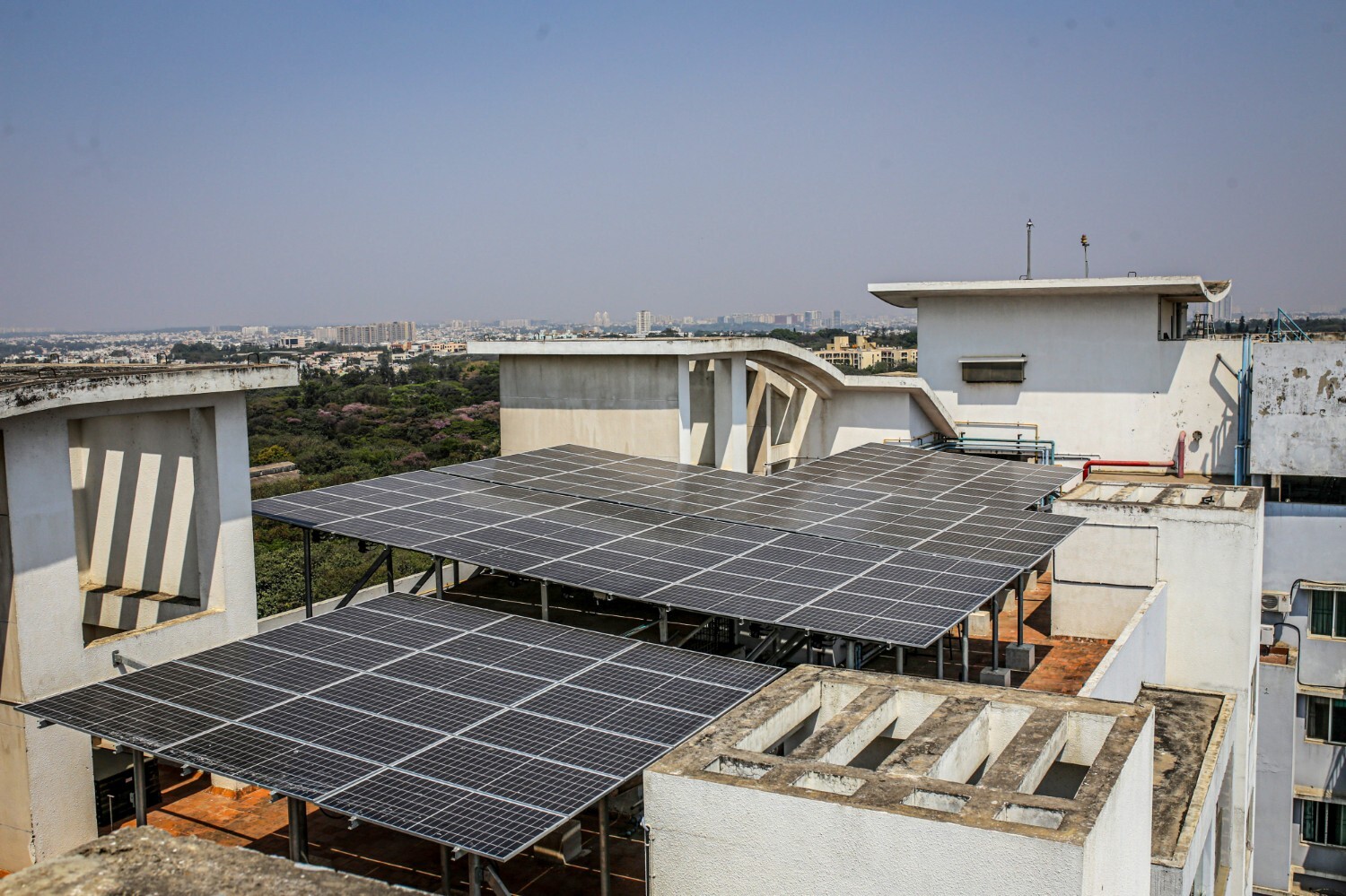
In parallel, rooftop solar systems have been deployed across a network of civic-run schools in the same zone. These installations are connected to the electricity grid, enabling institutions to offset a portion of their energy consumption through renewable sources. For the education system, this represents not only a reduction in operating costs over time but also an opportunity to introduce sustainability concepts into everyday learning environments. Urban planners view the Mumbai community solar project as an example of how cities can integrate climate-responsive infrastructure at a micro level. Unlike large-scale renewable energy parks, community-based systems operate closer to the point of consumption, reducing transmission losses and enhancing resilience. In a city where energy demand continues to rise alongside rapid urbanisation, such decentralised models are increasingly relevant. The involvement of multiple stakeholders—including civic authorities, non-profit organisations, and private sector partners—highlights the collaborative nature of urban sustainability projects.
However, experts caution that scalability remains a key challenge. Expanding similar initiatives across the city would require consistent funding mechanisms, regulatory support, and long-term maintenance frameworks. From an environmental standpoint, the Mumbai community solar project contributes to reducing carbon emissions associated with conventional electricity use. While the scale of current installations is modest relative to the city’s overall energy demand, the model demonstrates how incremental interventions can collectively support broader climate goals. The project also raises important questions about equity in energy transitions. By prioritising underserved communities and public institutions, it attempts to ensure that the benefits of clean energy are not limited to high-income or commercial sectors. This aligns with emerging urban policy frameworks that emphasise inclusive and people-centric development.
As Mumbai continues to explore pathways towards a lower-carbon future, the effectiveness of such initiatives will depend on their ability to move beyond pilot stages. Integrating renewable energy into everyday urban systems—whether through lighting, education, or housing—could play a critical role in shaping a more resilient and sustainable city landscape in the years ahead.