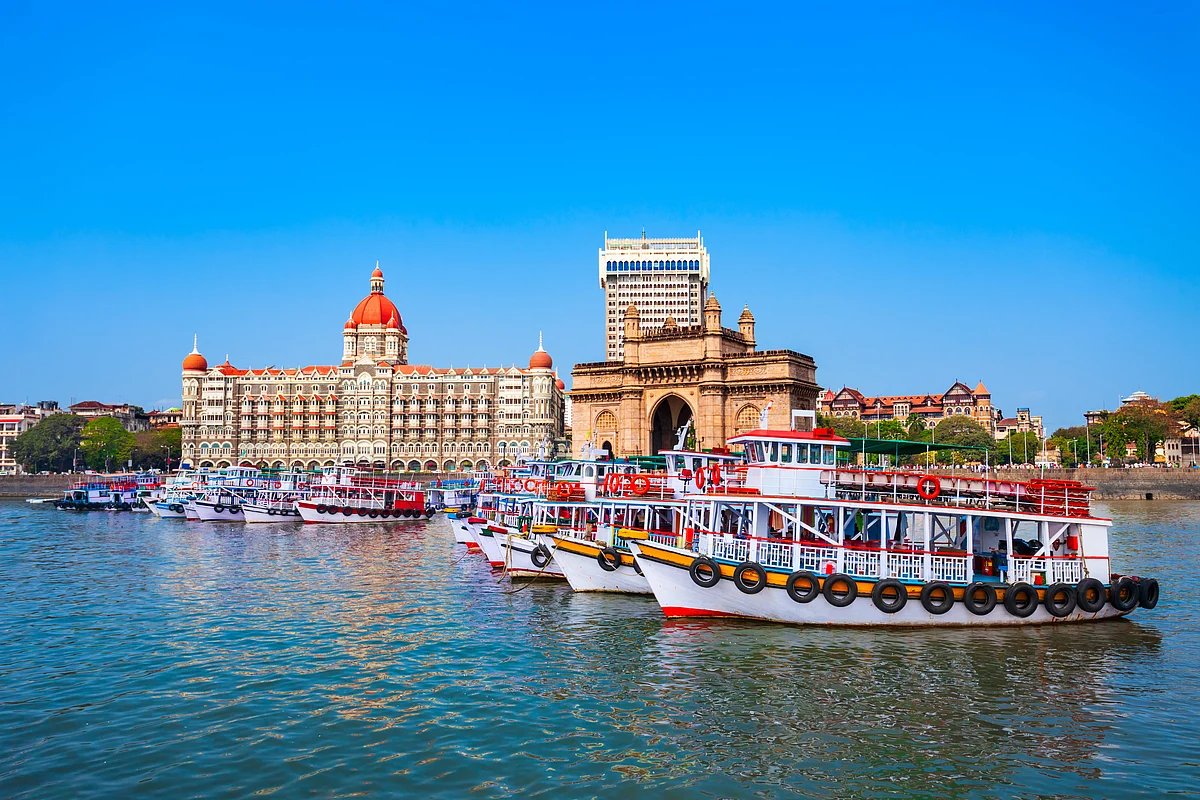
Efforts to strengthen coastal transport infrastructure along the Mumbai–Alibaug corridor have gathered pace, with the state administration accelerating works under a Maharashtra jetty upgrade programme aimed at improving safety and reliability ahead of the monsoon season. The initiative focuses on modernising key embarkation points that serve thousands of daily commuters and tourists navigating the region’s coastal routes. At the centre of the push are improvements to jetties in the Raigad district, which form a critical link between Mumbai’s mainland and emerging residential and leisure destinations across the harbour. Officials indicate that construction activities are being expedited to ensure operational readiness during periods when rough sea conditions often disrupt services, underlining the importance of resilient marine infrastructure.
The Maharashtra jetty upgrade includes structural enhancements such as new approach facilities, reinforced piling systems and dredging of navigation channels to allow safer vessel movement. Electrical systems and passenger handling areas are also being developed to improve operational efficiency and user experience. With more than half the work reportedly completed at one of the key sites, the focus has shifted to finishing remaining civil and marine components within tight timelines. Urban transport specialists highlight that water-based mobility offers a low-emission alternative to road travel, particularly in coastal metropolitan regions where congestion and land constraints limit expansion of traditional infrastructure. Strengthening ferry networks through projects like the Maharashtra jetty upgrade can help diversify transport options, reduce travel time and lower environmental impact when integrated with broader public transit systems. However, experts caution that infrastructure upgrades alone may not deliver sustained benefits unless accompanied by consistent service planning, safety protocols and last-mile connectivity on both ends of the journey.
Without seamless integration with urban transport networks, the potential of water transport to ease pressure on roads and railways may remain underutilised. Environmental considerations also remain central to such projects. Dredging activities and construction in coastal zones require careful management to minimise ecological disruption, particularly in sensitive marine habitats. Industry observers note that climate resilience—such as designing structures to withstand rising sea levels and extreme weather—should be embedded into long-term planning. The Maharashtra jetty upgrade comes at a time when coastal connectivity is gaining renewed attention as part of the region’s urban growth strategy. Improved access between Mumbai and nearby towns is expected to influence real estate patterns, tourism flows and local economies, potentially redistributing development pressures across the metropolitan region.
As deadlines approach, the emphasis will remain on timely execution without compromising safety and environmental safeguards. For commuters and businesses alike, the success of the upgrade will ultimately be measured by its ability to deliver reliable, efficient and sustainable travel options across the city’s increasingly important sea corridors.