


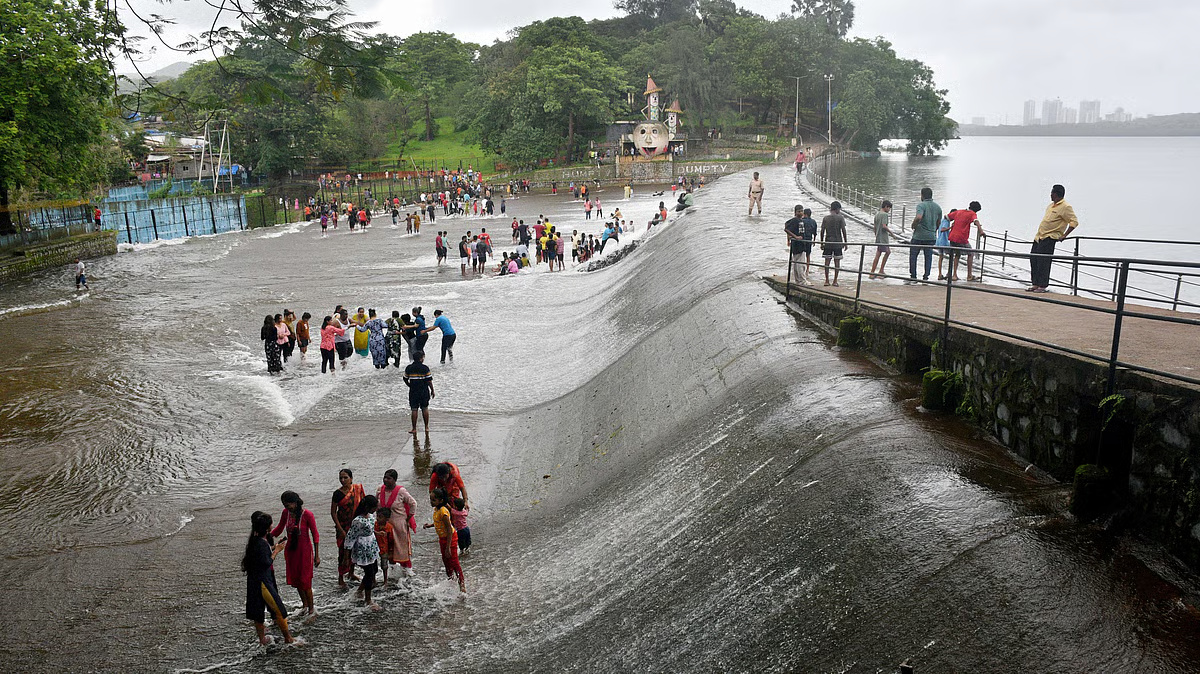
Mumbai is exploring a new approach to strengthen its water security by capturing excess monsoon runoff that currently goes to waste, signalling a shift towards more resource-efficient urban planning. Civic authorities are evaluating a proposal to divert surplus water from Vihar Lake to treatment infrastructure, aiming to expand supply capacity while reducing flood risks in downstream areas. The initiative centres on redirecting seasonal overflow—typically discharged into the Mithi river system during heavy rainfall—towards treatment facilities or controlled outlets. If implemented, the plan could contribute to a significant rise in overall supply levels, addressing long-term demand pressures in a city where population growth and climate variability continue to strain resources. The proposed intervention forms part of a broader Mumbai water supply strategy focused on optimising existing assets rather than relying solely on new sources.
A feasibility assessment is currently underway to determine the technical and environmental viability of constructing a tunnel-based conveyance system. Urban water experts note that such systems can help balance seasonal extremes—capturing surplus water during peak rainfall and redistributing it for consumption—while also mitigating flood-like conditions in low-lying zones. The move reflects a growing recognition that cities like Mumbai must transition from linear water management models, where excess is discharged, to circular systems that prioritise reuse and conservation. By tapping into overflow that would otherwise be lost, the city could improve resilience against both water scarcity and urban flooding—two challenges that increasingly occur within the same seasonal cycle. Parallel to this effort, authorities are advancing plans to augment supply through new reservoir-based projects in the metropolitan region. One such initiative is expected to add substantial daily capacity once completed, though it also brings considerations around land acquisition, ecological impact, and community rehabilitation.
Budgetary allocations for both infrastructure development and resettlement indicate the scale and complexity of expanding Mumbai water supply systems in a densely populated region. Urban planners caution that while augmenting supply is essential, demand-side management must also play a central role. Reducing leakages, improving distribution efficiency, and encouraging water-sensitive urban design are equally critical to ensuring long-term sustainability. Without these measures, incremental supply gains may be offset by systemic inefficiencies. From an economic standpoint, improved water reliability supports industrial activity, real estate development, and public health outcomes. For residents, it translates into fewer shortages and reduced dependence on alternative sources such as tankers, which often carry higher financial and environmental costs.
As feasibility studies progress, the success of the proposal will depend on its integration with existing infrastructure and its ability to balance ecological considerations with urban demand. If executed effectively, the plan could mark a step towards a more climate-responsive water management framework—one that treats excess rainfall not as a hazard, but as an asset to be harnessed.
Also read : Mumbai Pothole Repair Costs Drop Across City Roads
