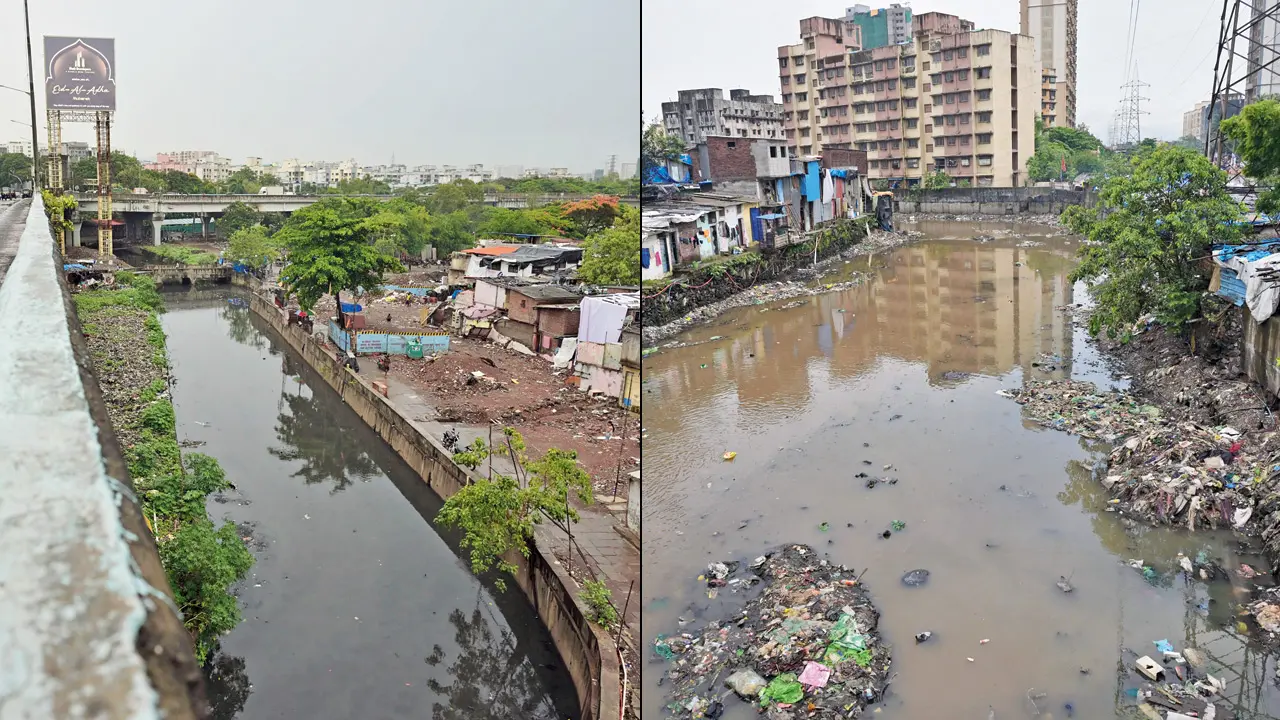
Mumbai GIS Cleanliness Pilot Targets Waste Hotspots
Mumbai’s civic administration is preparing to test a new data-led sanitation model that combines citizen participation with spatial mapping tools, signalling a shift towards more localised and accountable urban cleanliness systems. The pilot initiative aims to improve waste management outcomes by integrating public input with Geographic Information System (GIS) technology to identify problem areas and measure the impact of interventions. At the core of the programme is an effort to move beyond traditional complaint-based mechanisms towards a more structured approach where residents can propose solutions for neighbourhood-level sanitation challenges. These inputs will be evaluated and selectively implemented at the ward scale, allowing authorities to assess their effectiveness before wider adoption.
Urban experts say the Mumbai GIS cleanliness pilot reflects a growing recognition that sanitation issues vary significantly across localities, particularly in a city characterised by high density and mixed land use. Standardised approaches often fail to address micro-level challenges such as informal dumping zones, inefficient collection routes, or gaps in public awareness. By involving citizens directly, the initiative seeks to tap into local knowledge that is often overlooked in centralised planning. The use of GIS mapping adds a technological layer to this approach, enabling civic teams to visualise waste patterns and track changes over time. By mapping garbage accumulation points, collection efficiency, and sanitation infrastructure, officials can prioritise interventions with greater precision. This also allows for better coordination between departments, reducing duplication of effort and improving response times. From a governance perspective, the Mumbai GIS cleanliness pilot could enhance transparency and accountability. Data-driven monitoring makes it easier to evaluate whether specific measures are delivering measurable improvements, a critical factor in public service delivery.
It also provides a framework for comparing performance across wards, potentially encouraging more consistent standards of cleanliness citywide. However, challenges remain in ensuring that citizen participation is inclusive. Digital engagement tools may not fully capture the voices of residents in informal settlements or areas with limited access to technology. Urban planners caution that offline engagement mechanisms and community outreach will be essential to ensure equitable representation in the decision-making process. The initiative also aligns with broader sustainability goals by promoting efficient waste management practices. Improved tracking of waste generation and disposal can support efforts to reduce landfill dependence, enhance recycling rates, and minimise environmental impacts such as air and water pollution. In the long term, such systems could contribute to building a more climate-resilient urban framework.
As the pilot moves forward, its success will depend on how effectively civic authorities can translate citizen ideas into actionable policies and maintain consistent follow-through. For Mumbai, the integration of technology and community engagement offers a potential pathway towards cleaner, more responsive urban systems, but scaling this model will require sustained institutional commitment and resource allocation.