Mumbai Ganeshotsav Routes Face Fresh Road Safety Checks
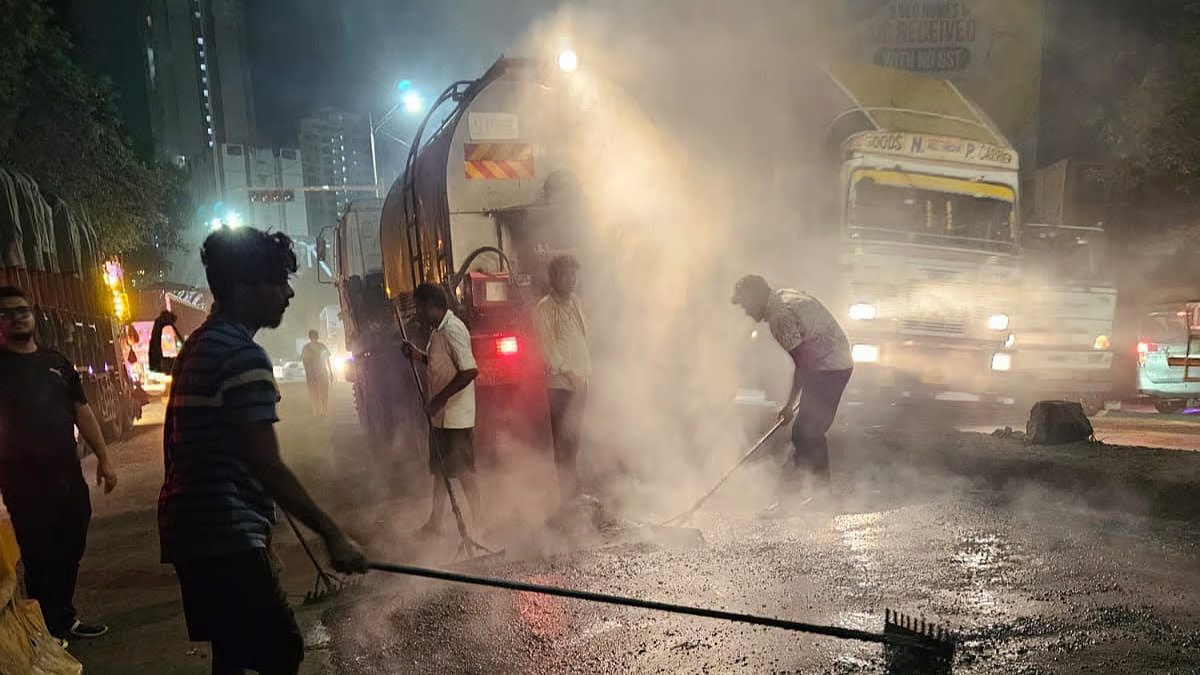
Mumbai’s civic administration has been asked to intensify road inspections ahead of Ganeshotsav, with particular attention to routes used for transporting and immersing Ganesh idols. The directive comes after around 1,850 km of roads in the city were concretised, putting the focus on remaining local defects, pedestrian safety and the ability of busy neighbourhood streets to handle large religious processions without avoidable disruption or accidents. The instruction places Ganeshotsav routes at the centre of Mumbai’s pre-festival road management. Localised potholes, uneven surfaces and other defects can become more consequential when roads carry trucks, large idols, crowds and volunteers at the same time. Even where major road works have been completed, smaller failures at junctions, road edges or access lanes can create safety risks.
For the civic administration, the challenge is therefore not limited to repairing visible potholes. It also involves identifying vulnerable sections before processions begin and coordinating inspections across roads that may experience unusually high pedestrian and vehicle movement. Urban planners note that this type of route-based preparation can reduce pressure on emergency services and limit disruptions for residents and businesses during the festival period. The emphasis on Ganeshotsav routes also highlights a wider issue in Mumbai’s infrastructure planning: the quality of a road network is measured not only by the scale of permanent construction but by how reliably it performs during periods of exceptional demand. Concretisation can improve road durability and reduce recurring maintenance in some locations, but drainage, utility works, junction design and surface transitions still require regular monitoring.
The festival will also bring additional requirements around the movement of large idols. Mandals have been advised to inspect structural components, including joints, welding and fasteners, before transportation. Keeping devotees and children away from moving idols during arrival and immersion processions has also been emphasised as a basic crowd-safety measure. Separately, provisions allowing mandals to obtain permissions for five years could reduce the need for repeated administrative processing. Officials have also urged organisers to remain cautious about misinformation circulating on social media and report suspicious activity to the authorities.
For Mumbai, the immediate test will be whether inspections translate into timely repairs before procession schedules intensify. A safer festival depends not only on large infrastructure projects but also on the routine maintenance, crowd management and neighbourhood-level coordination that determine how effectively public spaces work for citizens.