Mumbai Positions Itself For Renewable Energy Capital
Mumbai has emerged as a key stop in the national push to mobilise capital for India’s renewable-energy expansion, with a government-led roadshow bringing investors, lenders, developers and energy companies together ahead of the Bharat Renewable Energy Summit 2026. The August 27 meeting highlighted the scale of financing needed to expand clean power while positioning Maharashtra as an important market for the next phase of the energy transition. The Mumbai renewable energy roadshow comes as India’s non-fossil-fuel electricity capacity has crossed 300 GW, according to figures presented at the event. Solar has become the largest contributor to the expansion, while wind capacity has also grown substantially over the past decade.
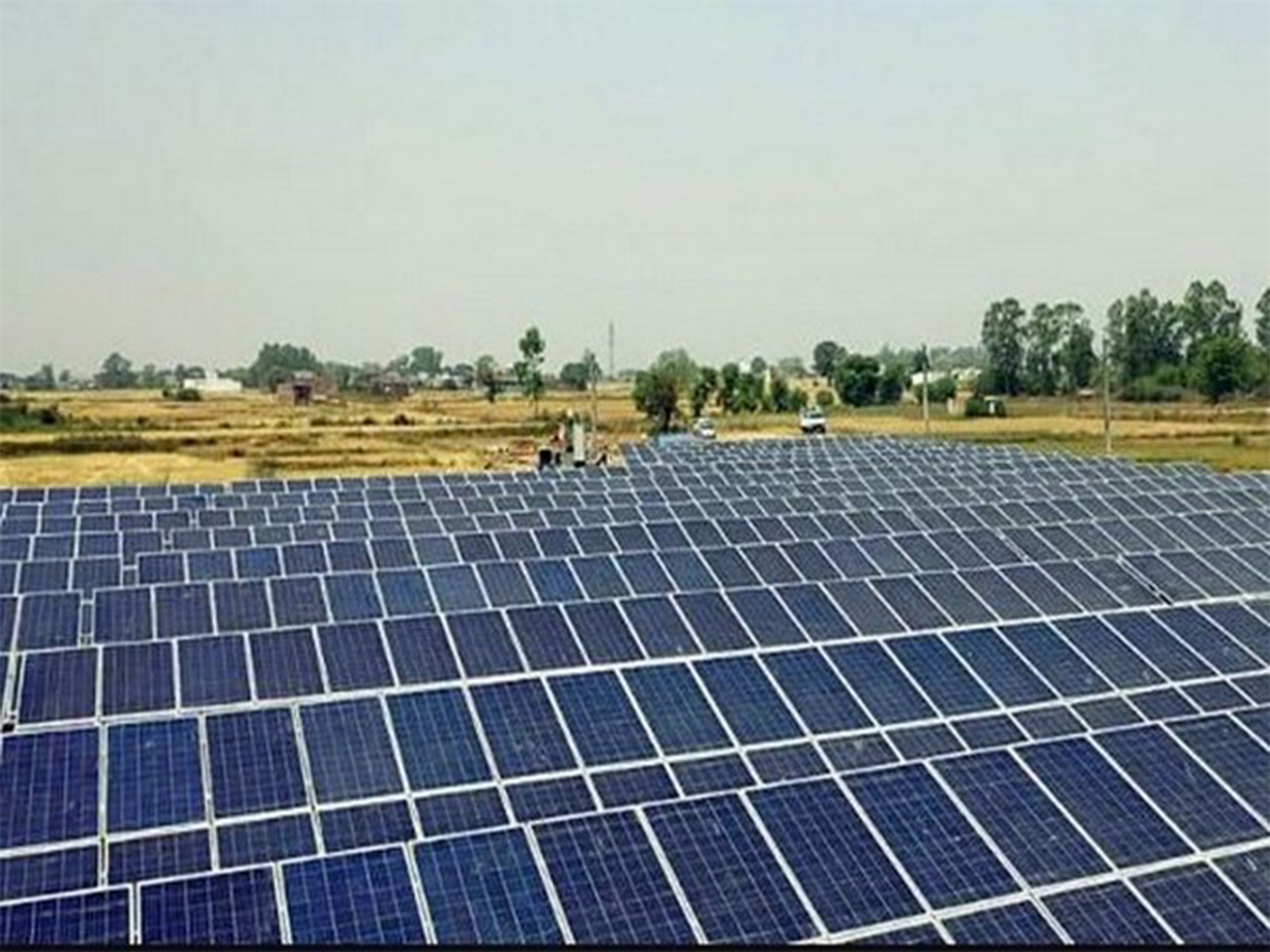
The investment requirement is considerable. Officials estimate that achieving the national target of 500 GW of non-fossil-fuel capacity by 2030 will require more than ₹30 lakh crore of investment over the coming years. Banks, insurers, infrastructure funds, capital markets and private investors are expected to provide much of the financing. That makes Mumbai particularly relevant. As one of India’s major financial centres, the city has a large concentration of financial institutions and capital-market participants capable of funding long-duration infrastructure. The Mumbai renewable energy roadshow therefore focused not only on adding generation capacity but also on connecting project developers with sources of finance. Maharashtra is targeting 65 GW of renewable-energy capacity by 2030. The state has also expanded rooftop solar and solar-powered agricultural infrastructure, including solar pumps under the PM-KUSUM programme. Under the PM Surya Ghar scheme, millions of households nationally have adopted rooftop solar, increasing the role of distributed generation alongside large utility-scale projects.
For cities, the transition has implications beyond electricity supply. Greater rooftop solar deployment can reduce dependence on centralised generation and potentially lower electricity costs for participating households over time. Solar-powered agricultural equipment can also reduce diesel consumption, although the wider benefits depend on reliable grids, maintenance and equitable access to financing. Industry experts say the next challenge is moving from capacity announcements to projects that can secure land, transmission connections, technology and predictable financing. Renewable generation is intermittent, meaning electricity production varies with sunlight and wind. This increases the importance of storage, flexible grids and stronger transmission networks as renewable penetration rises. The national summit scheduled for November will bring together governments, investors and technology providers from the wider clean-energy ecosystem. Regional roadshows are being held ahead of the event to build state-level participation.
For Maharashtra, the opportunity lies in converting investor interest into projects that strengthen energy security while limiting environmental costs. The quality of grid infrastructure, financing structures and local implementation will ultimately determine how quickly the state’s renewable ambitions translate into cleaner and more resilient energy systems.