


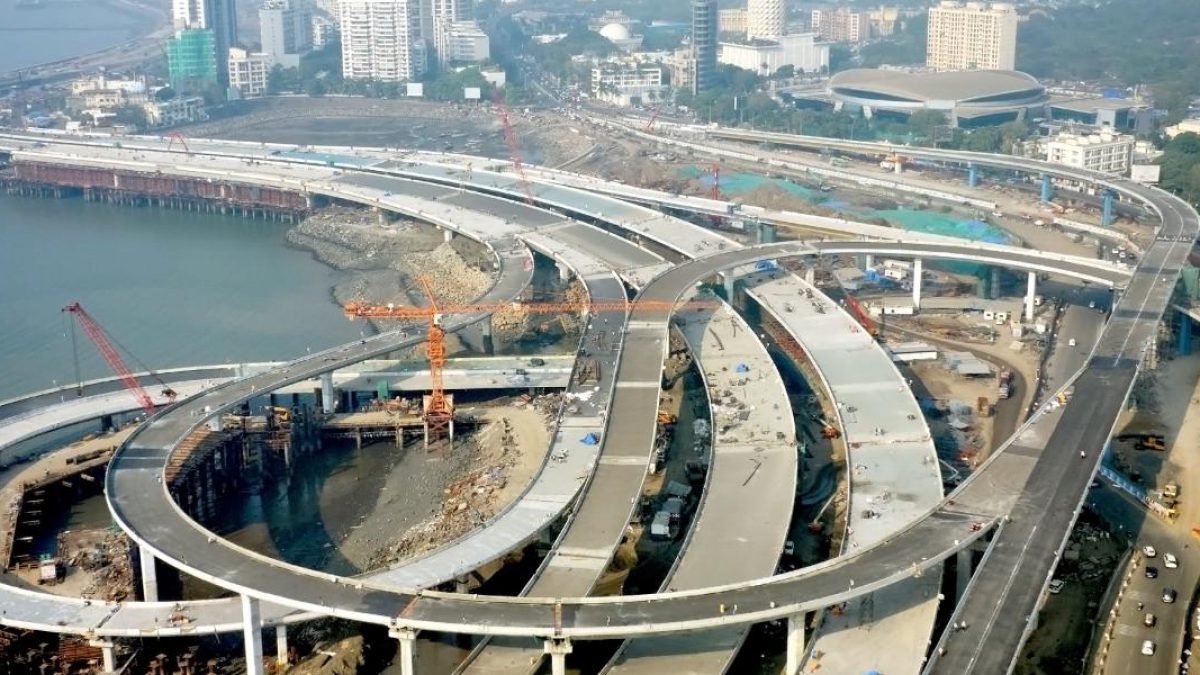
Mumbai’s western and northern coastline is on the brink of transformation as multiple coastal road and sea link projects move forward, promising to reshape urban mobility across the Mumbai Metropolitan Region (MMR). After the success of the Marine Drive–Worli phase of the Mumbai Coastal Road, authorities are now expanding similar infrastructure to connect the suburbs and satellite towns, creating a continuous, high-speed coastal corridor.
Among the most significant undertakings is the Versova–Bhayander Coastal Road, which will connect Andheri’s Versova to Bhayander. This project aims to drastically reduce travel time between the western suburbs and Mira–Bhayander while relieving pressure on the overburdened Western Express Highway. Designed as both a functional and aesthetic route, the coastal road will not only serve daily commuters but also improve last-mile access to upcoming metro stations and bus corridors. Further north, the proposed Uttan–Virar Sea Link will extend this corridor to the fast-developing Vasai–Virar region. Officials said the project will integrate the northern suburbs into Mumbai’s transport grid, enhancing regional accessibility and supporting the area’s real estate and commercial growth. Once completed, the sea link will offer a faster and smoother alternative to current land routes that often face chronic congestion.
Meanwhile, the Bandra–Versova Savarkar Sea Link, an extension of the Bandra–Worli Sea Link, will form another crucial section of the western coastal route. The new stretch will connect Bandra to Versova, easing vehicular load on the Western Express Highway. Planners expect this route to seamlessly integrate with the Versova–Bhayander corridor, creating a continuous expressway-style coastal network along the city’s west coast. In eastern MMR, parallel projects are also progressing. The Thane Coastal Road will provide an alternate route for commuters travelling to Mumbai and Navi Mumbai, while the Kharghar Coastal Road will link emerging business zones with metro and rail networks. The Ulwe Coastal Road, situated near the Navi Mumbai International Airport, is expected to play a key role in managing future airport traffic and connecting new economic clusters in the region.
Urban experts describe these developments as pivotal for creating a sustainable, multi-modal mobility network. By diverting traffic from overcrowded arterial roads and integrating public transport systems, the projects are expected to reduce emissions and improve travel efficiency. As one senior urban planner noted, “Mumbai’s coastal infrastructure strategy isn’t just about faster travel — it’s about building resilience, supporting equitable urban growth, and aligning transport with climate-friendly design.”
Together, these new corridors are set to redefine how Mumbai moves — turning its coastline into a model for sustainable, future-ready urban mobility.
Also Read : Mumbai Starts Razing 112-Year-Old Elphinstone Bridge
