


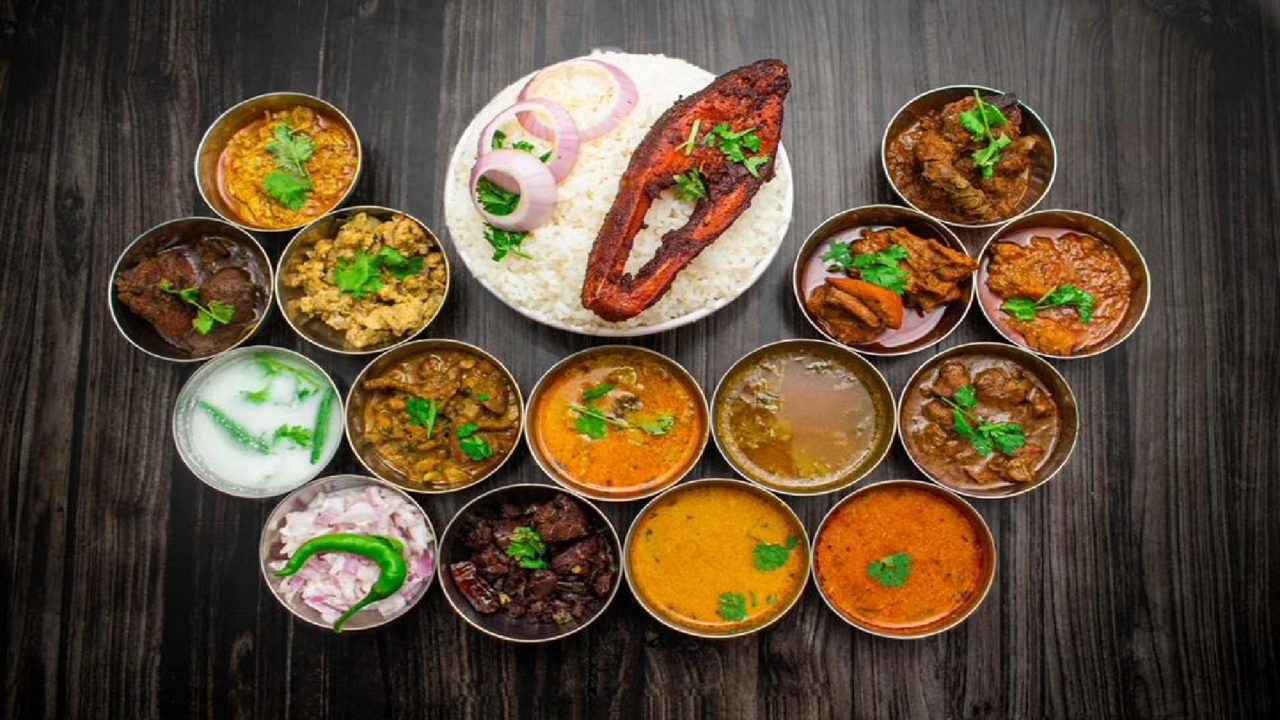
Madurai is poised for a significant enhancement of its leisure and culinary infrastructure with the imminent establishment of two new dedicated food streets, a strategic move aimed at formalising the vibrant informal food sector and revitalising public spaces. The city corporation is actively pursuing an agreement with the Tamil Nadu Housing Board (TNHB) to secure an empty plot near Bypass Road on a rental basis for one such project. Concurrently, a second food street in Mattuthavani is being integrated into the new bus stand development, signalling a comprehensive approach to urban leisure and economic development that seeks to blend convenience with community spaces.
This proactive initiative by the civic body is a direct response to the recent displacement of approximately 400 street food vendors. These micro-entrepreneurs, who previously thrived along the Bypass Road between Palanganatham and Arapalayam, were dislodged by the state highways department due to concerns over traffic congestion. The establishment of designated food streets, therefore, is not merely about augmenting leisure options; it is a critical step towards creating a more organised and equitable urban environment that supports livelihoods while enhancing public safety and aesthetics. This approach aligns with the broader agenda of fostering sustainable and inclusive cities.
The proposed location near Bypass Road, if secured from the TNHB on a rental model, is envisioned to replicate the success of established food hubs in other major urban centres, such as the popular food street near Kathipara Junction in Chennai. Such models demonstrate the potential for structured food zones to become significant tourist attractions and economic engines. The integration of the Mattuthavani food street with the new bus stand project further highlights a forward-thinking urban planning strategy, aiming to create synergistic hubs where commuters and residents can access quality food in a regulated, hygienic environment, thereby minimising haphazard vending that often contributes to urban clutter and sanitation challenges.
However, the success and sustainability of these new food streets will depend heavily on the provision of robust civic amenities. Stakeholders have rightly emphasised the need for comprehensive planning that addresses basic facilities such as reliable drinking water access, adequate seating arrangements for patrons, and, critically, efficient garbage disposal mechanisms. Without these foundational elements, even well-intentioned projects risk falling short of their potential, becoming liabilities rather than assets. A truly eco-friendly and sustainable food street must incorporate effective waste segregation, composting initiatives for organic waste, and energy-efficient lighting solutions, all contributing to a reduced carbon footprint for the urban space.
Furthermore, the design and operation of these food streets must embody the principles of gender-neutral and equitable access. Public spaces, particularly those focused on leisure and commerce, should be welcoming and safe for all citizens, irrespective of gender, age, or ability. This means ensuring well-lit pathways, accessible restrooms, and a secure environment that encourages participation from all segments of society. The relocation of vendors also brings a human angle to the fore; it is imperative that the new zones are not merely alternative locations but viable economic spaces that allow vendors to thrive, providing stable income opportunities that contribute to the city’s economic inclusivity.
While the city corporation’s initiative is commendable, there is an ongoing discussion about optimising the placement for dislocated vendors. Some urban observers suggest that allowing these food joints to operate along the service roads parallel to the Bypass Road, under a regulated rental model, could provide a more immediate and less disruptive solution for the affected livelihoods. This perspective underscores the need for flexible urban management that balances traffic flow requirements with the economic realities of the informal sector. Such a balanced approach could foster greater community acceptance and reduce the socio-economic impact of urban development projects.
The successful implementation of Madurai’s new food streets will set a precedent for future urban development projects, showcasing how a city can create vibrant public spaces while supporting its informal economy. It mandates a holistic vision that extends beyond mere infrastructure development to embrace environmental sustainability, social equity, and economic viability. By prioritising proper sanitation, waste management, and inclusive design, Madurai can transform these food streets into exemplary models of modern urban planning, enhancing the quality of life for its residents and reinforcing its identity as a progressive, citizen-centric city.
Also Read :Kochi Launches Daily Pizhala Monsoon Cruise Boosting Backwater Tourism
