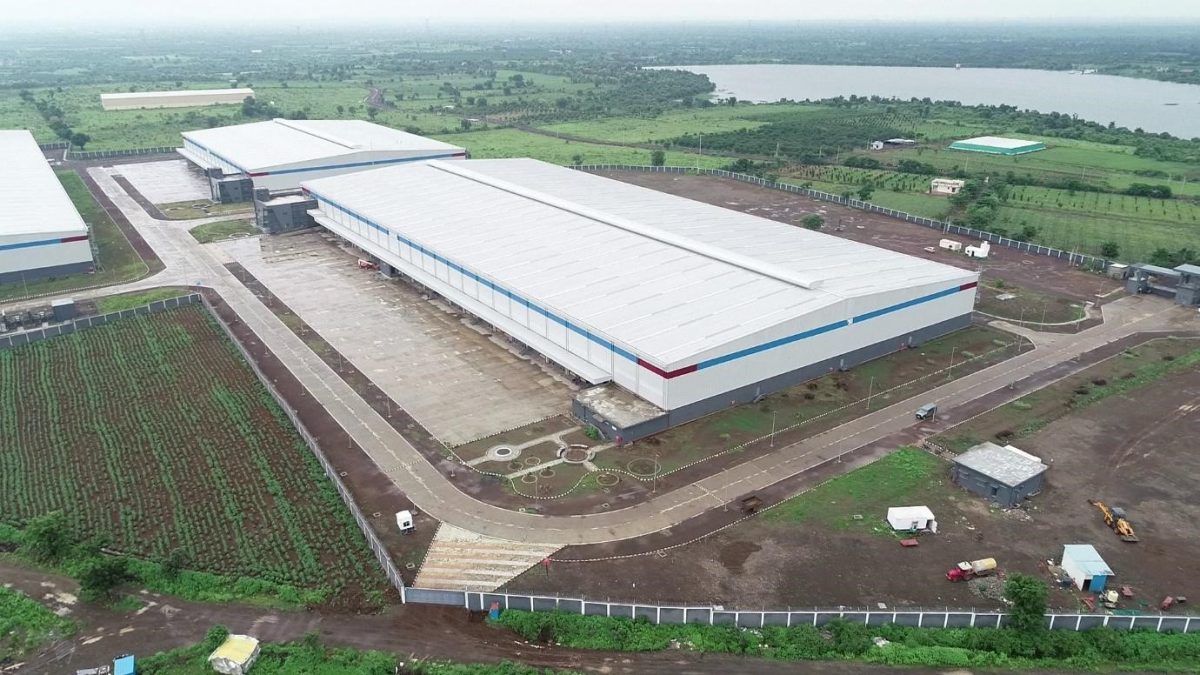
Lucknow is being positioned as a major supply and logistics hub in northern India, as ongoing investments in manufacturing, defence production and infrastructure begin to reshape the city’s economic profile. The push reflects a broader strategy to decentralise industrial growth and strengthen regional supply chains beyond traditional metro centres.
The vision for a Lucknow supply hub is closely tied to the city’s expanding role in defence manufacturing. Recent milestones, including the production and delivery of advanced missile systems from local facilities, signal the emergence of a high-value industrial ecosystem anchored in the Uttar Pradesh Defence Industrial Corridor. This ecosystem is attracting ancillary industries, logistics providers and skilled workforce clusters, reinforcing Lucknow’s position in national supply networks. Urban and industry experts point out that the city’s geographic location is a key advantage. Situated in the heart of north India, Lucknow offers connectivity to multiple states through road, rail and upcoming logistics corridors. This centrality is increasingly being leveraged to develop integrated supply chains that link manufacturing hubs with consumption centres across the region. The evolution of the Lucknow supply hub also reflects a shift in India’s urban economic model. Rather than concentrating industrial activity in a few megacities, policymakers are promoting tier-2 cities as distributed growth nodes. This approach reduces congestion in larger metros while unlocking economic potential in emerging urban centres.
Infrastructure development is playing a pivotal role in this transition. Investments in expressways, freight corridors and industrial parks are improving last-mile connectivity and reducing logistics costs. Combined with policy incentives and land availability, these factors are making Lucknow an attractive destination for both domestic and global investors. The city’s transformation is not limited to industrial output. It is also influencing urban form and employment patterns. As supply chain activities expand, demand for warehousing, commercial real estate and workforce housing is rising, creating new opportunities in construction and services. This integrated growth model aligns with broader goals of inclusive urban development and job creation. However, experts caution that sustaining this momentum will require careful planning. Logistics hubs can place pressure on urban infrastructure, including roads, air quality and land use systems. Ensuring that growth is aligned with environmental standards and climate resilience will be critical to long-term viability.
There is also a need to strengthen skill ecosystems and digital infrastructure to support advanced manufacturing and supply chain management. Without these, cities risk becoming transit points rather than value-adding hubs. The emerging Lucknow supply hub narrative illustrates how infrastructure, industry and policy are converging to redefine the role of secondary cities in India’s economic landscape. As projects move from planning to execution, the city’s ability to balance growth with sustainability will determine whether it can evolve into a durable logistics and industrial anchor for the region.