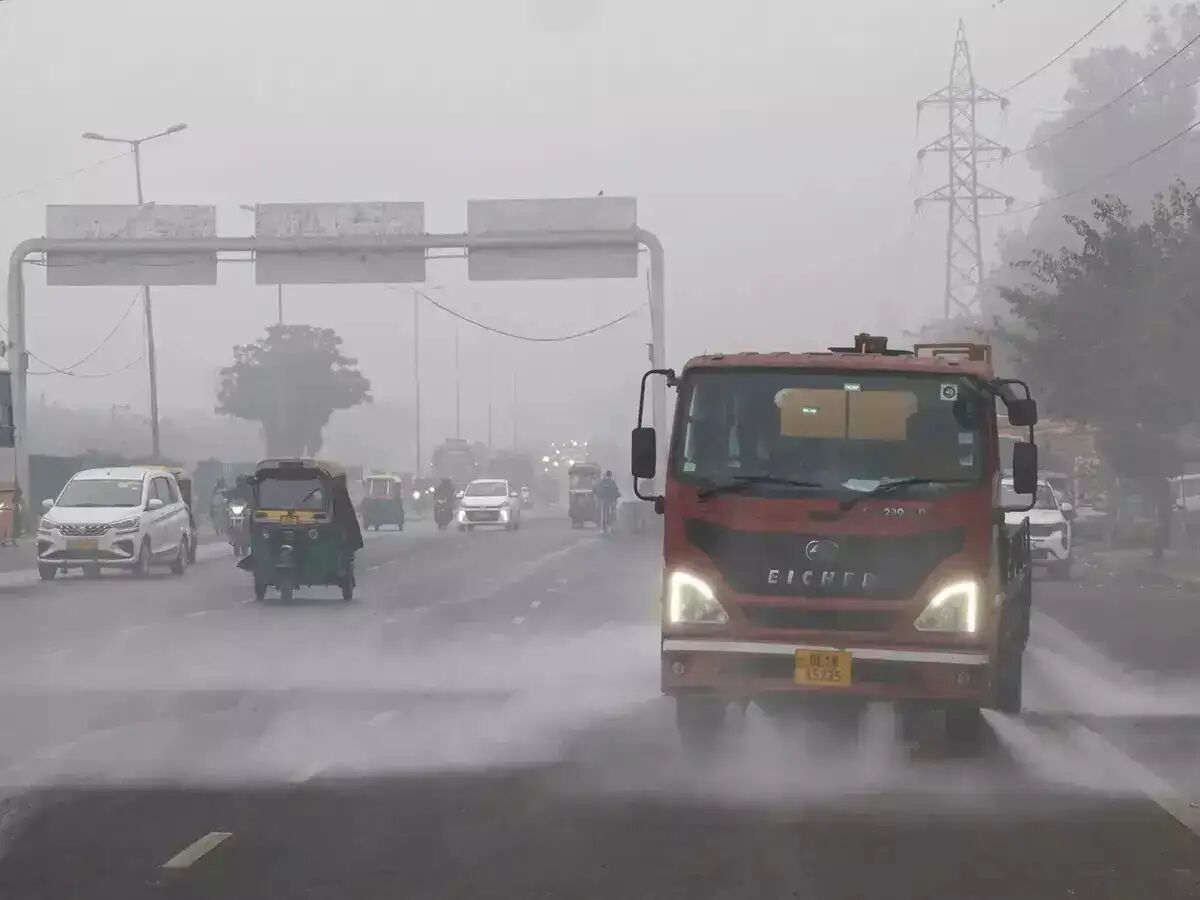
Lucknow Fog Alert Disrupts Urban Mobility Patterns
Lucknow woke up to another spell of dense fog, with the India Meteorological Department (IMD) issuing an orange alert across multiple Uttar Pradesh cities, signalling heightened weather-related risks to mobility, public safety and daily urban functioning. The advisory reflects a broader pattern of fluctuating atmospheric conditions impacting northern India during seasonal transitions.
Meteorological assessments indicate that dense fog and low visibility conditions are likely to persist during early morning hours, particularly affecting road, rail and air connectivity. In previous similar alerts, visibility in parts of the state has dropped to extremely low levels, disrupting transport networks and delaying services. The orange alert classification typically signals the need for preparedness, warning of potentially hazardous conditions such as reduced visibility, traffic slowdowns and increased accident risk. In urban centres like Lucknow, where early morning commuting is heavily dependent on road networks, such conditions can significantly affect productivity and movement patterns. The current episode aligns with a recurring trend observed across Uttar Pradesh, where fog and haze frequently envelop cities during transitional weather periods. Recent observations have shown widespread low-visibility conditions across key urban centres—including Kanpur, Prayagraj and Varanasi—indicating a regional rather than localised phenomenon.
Urban infrastructure systems are particularly vulnerable during such events. Traffic congestion tends to intensify due to slower vehicle movement, while public transport schedules often face cascading delays. Airports and railway operations are also impacted, highlighting the interconnected nature of urban mobility systems. Experts note that the persistence of fog events is increasingly linked to a mix of climatic and environmental factors, including temperature inversions, moisture levels and particulate pollution. In dense urban environments, these conditions can amplify the duration and intensity of fog, contributing to what is often described as “urban haze.” The implications extend beyond transport. Prolonged fog conditions can affect public health, especially for vulnerable populations, and disrupt economic activity by delaying logistics and workforce movement. For cities undergoing rapid expansion, such disruptions highlight the need for adaptive planning that integrates weather resilience into infrastructure design.
Authorities typically advise residents to exercise caution during such alerts—reducing travel during peak fog hours, using visibility aids and monitoring official updates. However, planners argue that long-term solutions lie in improving real-time weather monitoring systems, enhancing traffic management and integrating climate-responsive urban design. As seasonal variability continues to influence weather patterns, the latest orange alert underscores the growing need for cities like Lucknow to strengthen resilience against climate-linked disruptions—ensuring that infrastructure and governance systems can respond effectively to increasingly unpredictable conditions.