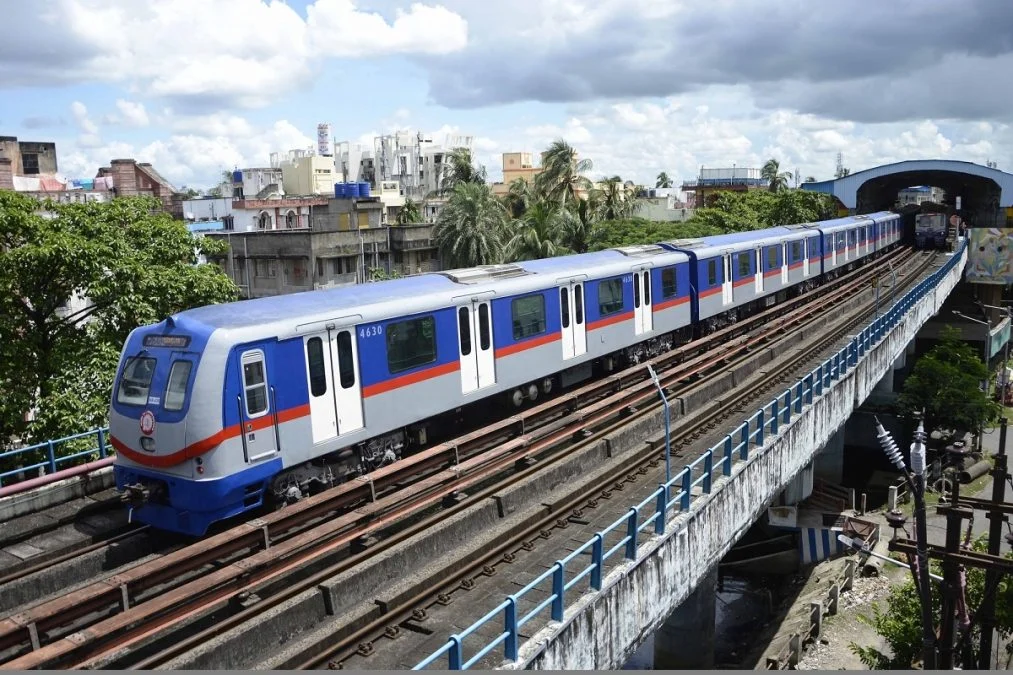
Kolkata Metro Expansion Brings New Growth Corridor
Kolkata is preparing for a significant shift in urban mobility as work progresses on the extension of the city’s Orange Line metro corridor, a project expected to strengthen connections between New Garia and Salt Lake Sector V. The planned expansion is set to improve access between major residential districts, employment hubs and educational centres, potentially reducing travel dependence on road-based transport in one of India’s most densely populated metropolitan regions.
The upcoming stretch forms a critical component of Kolkata Metro Expansion efforts aimed at addressing long-standing traffic congestion across eastern and southern parts of the city. Urban transport planners view the corridor as an important intervention for improving travel efficiency while supporting more sustainable patterns of growth. By linking emerging residential zones with one of Kolkata’s largest information technology and commercial districts, the project is expected to influence commuting behaviour and encourage greater use of public transport.Transport officials indicate that construction and systems integration activities are advancing toward operational readiness. Once commissioned, the extended route is expected to create a more seamless transit network by connecting passengers with multiple metro corridors across the city. Such interconnectivity has become increasingly important as Kolkata experiences continued urban expansion and rising travel demand.Industry observers note that the infrastructure could also reshape real estate activity along the corridor. Areas with improved metro accessibility often witness increased demand for housing, retail development and office space. However, urban economists caution that transit-led growth must be accompanied by adequate public amenities, pedestrian infrastructure and affordable housing policies to ensure that benefits are shared across different income groups.
The Kolkata Metro Expansion project also carries environmental significance. With private vehicle ownership continuing to rise across urban India, metro networks are increasingly viewed as a practical tool for lowering transport emissions and improving air quality. A larger share of commuters shifting to rail-based mobility can reduce pressure on congested roads while contributing to broader climate resilience goals.For businesses operating in Salt Lake Sector V, improved connectivity could expand access to talent pools located across southern Kolkata. Reduced travel times may enhance workforce mobility, while students and service-sector employees could gain more reliable and predictable commuting options.Urban development experts suggest that the long-term success of the corridor will depend not only on infrastructure delivery but also on integration with buses, pedestrian pathways and last-mile transport services. A coordinated mobility ecosystem remains essential for maximising public investment and ensuring that transit infrastructure translates into measurable quality-of-life improvements.
As Kolkata advances its transport modernisation agenda, the completion of this metro extension represents more than a connectivity upgrade. It reflects the city’s broader effort to build a more accessible, efficient and environmentally responsive urban future.