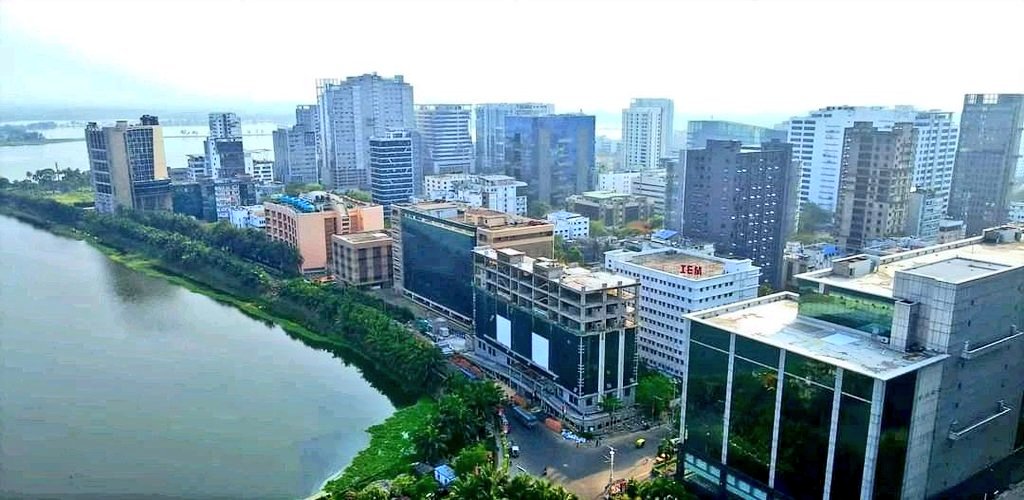
Kolkata Infrastructure Push Targets Mobility And Jobs
A fresh round of public infrastructure investments is set to reshape mobility, logistics, urban services and regional economic activity across West Bengal, with multiple projects being launched and advanced in and around Kolkata. The developments are expected to strengthen connectivity, support industrial growth and improve access to essential services, while reinforcing the city’s role as a key economic gateway for eastern India.
The latest package of projects spans transport, urban infrastructure and public service assets, reflecting a broader push to modernise the region’s economic backbone. For Kolkata, where growing population pressures continue to test transport networks and civic infrastructure, such investments carry implications beyond construction activity. They influence how efficiently people commute, businesses move goods and cities accommodate future growth.Urban planners note that large-scale infrastructure spending can create long-term value only when transport systems, land-use planning and public services evolve together. In a metropolitan region that continues to expand beyond traditional city boundaries, integrated development remains critical to avoiding congestion, environmental stress and uneven access to opportunities.The Kolkata Development Projects are also expected to generate employment during both construction and operational phases. Industry observers say improved transport and logistics infrastructure can reduce travel times, lower supply chain costs and attract new investments into manufacturing, services and warehousing sectors. Such outcomes are particularly significant for eastern India, which has been seeking greater industrial competitiveness and investment inflows.
Beyond economic indicators, the projects have relevance for everyday urban life. Better connectivity can improve access to education, healthcare and employment hubs, particularly for residents living in peripheral districts. Infrastructure experts increasingly emphasise that transport investments should be evaluated not only through traffic volumes but also through their contribution to social inclusion and equitable urban growth.Environmental considerations are becoming equally important. As cities confront climate risks, including flooding, heat stress and resource constraints, infrastructure planning is under growing pressure to incorporate resilience measures. Experts argue that future-ready projects should prioritise energy efficiency, sustainable mobility and stronger disaster preparedness to ensure long-term returns on public investment.The Kolkata Development Projects arrive at a time when Indian cities are competing for investment, talent and economic activity. For Kolkata, strengthening physical infrastructure remains a key component of maintaining its position as a major commercial and logistics centre connecting eastern and northeastern regions with national and international markets.
While project announcements mark an important milestone, urban development specialists caution that successful outcomes will depend on timely execution, transparent implementation and sustained maintenance. The coming years will determine whether these investments translate into faster mobility, stronger economic productivity and more liveable urban environments for residents across the metropolitan region and beyond.