


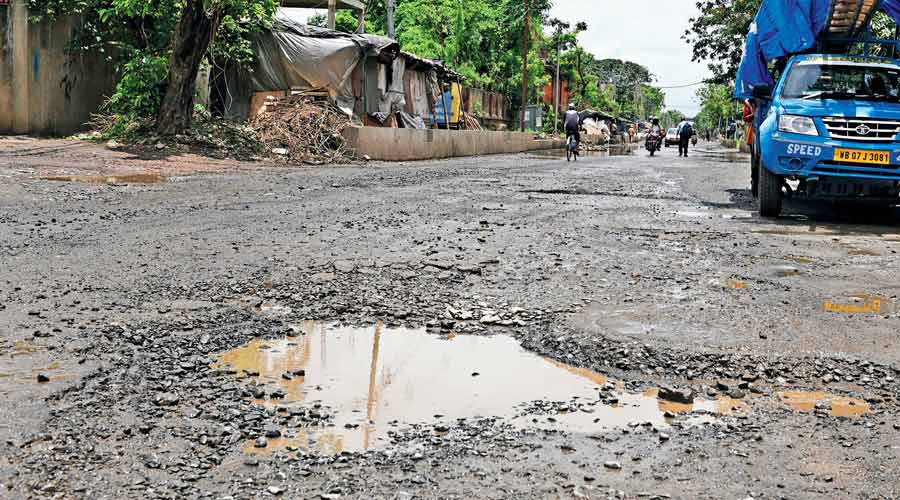
Civic and infrastructure concerns are intensifying in Kolkata’s Cossipore area, where residents are flagging persistent gaps in basic services, highlighting the uneven distribution of urban development within the city. The situation underscores broader challenges in maintaining liveability in older neighbourhoods amid rapid metropolitan expansion.
In Cossipore, issues related to road conditions, drainage, waste management, and public amenities have come under increasing scrutiny. Residents report that deteriorating infrastructure and inconsistent service delivery are affecting daily life, particularly in densely populated pockets where demand for civic services remains high.The challenges in Cossipore reflect a pattern seen across several legacy urban zones, where infrastructure built decades ago is struggling to cope with current population pressures.Unlike newly developed areas that benefit from planned layouts and modern systems, older neighbourhoods often face constraints in upgrading services due to space limitations and ageing networks.Urban planners note that such disparities can widen inequalities within cities. While some parts of Kolkata continue to attract investment and redevelopment, others remain underserved, leading to uneven access to essential services. Addressing this imbalance requires targeted interventions that prioritise infrastructure renewal in historically neglected areas.The concerns raised in Cossipore also highlight the importance of integrated urban management.
Issues such as waterlogging, waste accumulation, and poor road conditions are interconnected, often requiring coordinated action across multiple civic departments. Fragmented responses can limit the effectiveness of solutions, prolonging inconvenience for residents.From a sustainability perspective, improving infrastructure in older neighbourhoods is critical for building climate resilience.Inadequate drainage systems, for instance, can exacerbate flooding during heavy rainfall, while inefficient waste management can contribute to environmental degradation.Upgrading these systems not only improves quality of life but also supports long-term urban sustainability goals.The situation has also brought attention to the role of community engagement in urban governance.Resident feedback and local monitoring can play a key role in identifying priority areas and ensuring accountability in service delivery. Incorporating citizen input into planning processes can help create more responsive and inclusive urban systems.Authorities are expected to assess the concerns and implement corrective measures, though experts emphasise that sustained investment and long-term planning will be essential. Quick fixes may address immediate issues but are unlikely to resolve underlying structural challenges.
As Kolkata continues to evolve, the experience of neighbourhoods like Cossipore highlights the need for balanced development that does not overlook older parts of the city. Ensuring equitable access to infrastructure and services will be critical in shaping a more inclusive and resilient urban future.
Also Read:
