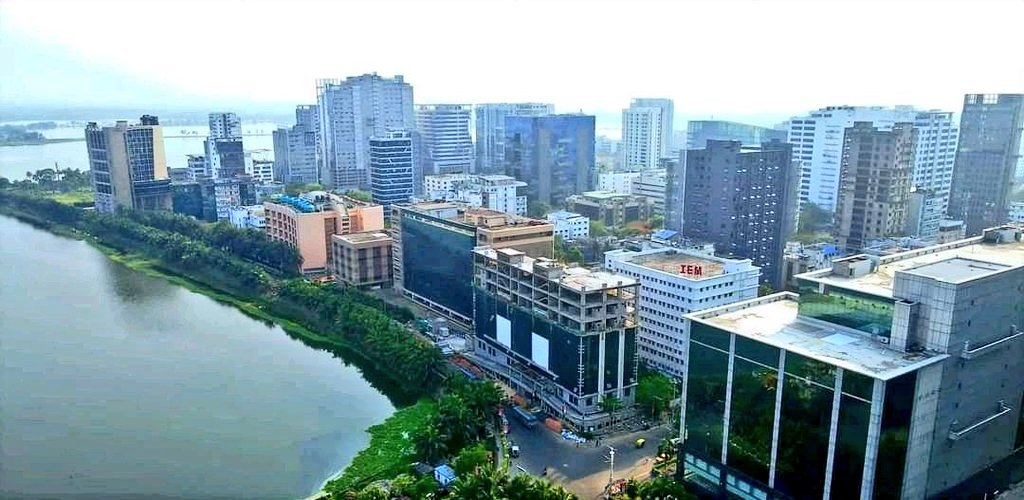
West Bengal’s proposal to expand municipal jurisdictions around Kolkata has reignited debate over how rapidly growing urban regions should be governed, financed and serviced. The move comes as development pressures continue to spread beyond traditional city limits, bringing new residential projects, commercial activity and infrastructure demands into areas that were once largely peri-urban. For residents, the proposal could influence everything from civic services and taxation to mobility and long-term urban planning.
Officials involved in the planning process indicate that the state is assessing ways to align administrative boundaries with the city’s evolving growth pattern. Over the past decade, urbanisation around Kolkata has accelerated, driven by transport investments, housing demand and expanding economic activity. However, governance structures in several fringe areas have struggled to keep pace with changing land-use patterns and rising population densities.The proposed civic expansion is being viewed as an attempt to create a more coordinated framework for delivering essential services such as water supply, drainage, waste management and road maintenance. Urban planners note that fragmented administration often leads to uneven infrastructure provision, particularly in fast-growing suburban zones where development outpaces civic capacity.Experts say the success of any civic expansion strategy will depend on how effectively authorities integrate newly included areas into existing municipal systems. Expanding jurisdiction alone does not automatically improve urban outcomes. It requires substantial investments in public infrastructure, administrative capacity and financial planning to ensure that service standards improve rather than become stretched across a larger geography.
The proposal also carries implications for Kolkata’s real estate market. Greater municipal integration can increase investor confidence by providing clearer planning regulations and more predictable infrastructure delivery. At the same time, residents and businesses may face adjustments related to taxation, building compliance and civic regulations. Urban economists argue that balancing growth with affordability will be critical to ensuring equitable development outcomes.Environmental considerations are also emerging as a key factor. Several peripheral zones contain wetlands, water bodies and open land that perform important ecological functions. Planning experts caution that future development must incorporate climate resilience measures, sustainable drainage systems and green infrastructure to reduce flood risks and protect natural assets. As Kolkata continues to expand, integrating environmental safeguards into urban growth strategies will become increasingly important.
For policymakers, the broader challenge lies in managing metropolitan growth in a way that supports economic opportunity while maintaining service quality and environmental sustainability. The current discussions reflect a wider trend across Indian cities, where urban boundaries are increasingly being reconsidered to match changing demographic and development realities.As the proposal advances through administrative and policy processes, residents, local bodies and planning agencies will be watching closely to understand how the changes could shape Kolkata’s next phase of urban development.