Jaipur Safety Campaign Underscores Growing Fire Risks
Jaipur’s annual fire safety campaign has concluded against the backdrop of a major industrial blaze in Rajasthan, drawing attention to the widening gap between preparedness efforts and the scale of emerging fire risks in rapidly urbanising regions. The Jaipur Municipal Corporation (JMC) wrapped up its week-long Fire Safety Week, during which emergency drills and awareness programmes were conducted across nearly 90 buildings and institutions. The initiative aimed to familiarise residents, facility managers and emergency responders with evacuation protocols and risk mitigation strategies in case of fire incidents.
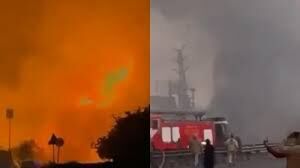
The timing of the campaign has gained added significance following a large fire at a refinery site in Balotra district, which disrupted operations and forced the postponement of a major inauguration event. The incident, linked to a hydrocarbon leak near a critical processing unit, has raised questions about industrial safety standards and emergency preparedness in high-risk infrastructure projects. For urban planners and safety experts, the juxtaposition of a public awareness campaign with a large-scale industrial incident underscores a growing challenge: cities are expanding faster than their safety systems can adapt. Jaipur, like many Tier-II cities, is witnessing rapid growth in high-rise developments, mixed-use complexes and industrial facilities—each adding layers of complexity to fire response and prevention. Officials involved in the Fire Safety Week emphasised that drills are not merely symbolic exercises but critical tools for assessing readiness. These simulations allow fire departments to test response times, identify gaps in equipment and coordination, and train personnel for real-world scenarios. However, experts caution that such initiatives must be backed by stricter enforcement of building codes, regular audits and investment in modern firefighting infrastructure.
The refinery fire also highlights the interconnected nature of urban and industrial safety. Large-scale infrastructure projects, particularly in energy and manufacturing sectors, often operate in proximity to expanding urban settlements. Any lapse in safety protocols can therefore have cascading impacts—not only on industrial operations but also on surrounding communities and environmental systems. There is also a governance dimension. As cities scale up, coordination between municipal bodies, industrial operators and state agencies becomes critical. Fragmented oversight can lead to gaps in compliance monitoring and delayed responses during emergencies. The recent incident has intensified calls for integrated safety frameworks that bridge urban planning and industrial regulation. From a citizen perspective, awareness remains uneven. While institutional buildings may conduct regular drills, smaller commercial establishments and residential complexes often lack basic fire safety measures such as functional extinguishers, clear exits or trained personnel. This disparity can significantly influence outcomes during emergencies.
The broader climate context adds another layer of urgency. Rising temperatures and extreme weather conditions increase the likelihood of fire incidents, particularly in densely built environments and industrial zones handling flammable materials. This makes fire preparedness not just a safety issue, but a critical component of climate resilience planning.
As Jaipur reflects on its Fire Safety Week, the lessons from the refinery blaze serve as a stark reminder that preparedness must evolve alongside urban growth. Moving forward, the focus is likely to shift from awareness campaigns alone to systemic reforms—ensuring that safety infrastructure, regulatory oversight and community readiness are aligned with the realities of a rapidly changing urban landscape.