Rajasthan Projects Push Links Health And Infrastructure
A combined push on public health and infrastructure development in Rajasthan is highlighting how large-scale policy interventions are increasingly being framed through a dual lens of social welfare and economic growth. The rollout, anchored in Ajmer, brings together a nationwide vaccination programme alongside infrastructure investments exceeding ₹16,000 crore—signalling a convergence of health, urban services and regional connectivity priorities.
At the centre of the initiative is the launch of a nationwide Human Papillomavirus (HPV) vaccination campaign targeting adolescent girls. The programme aims to prevent cervical cancer, one of the leading causes of cancer-related illness among women in India, and is being integrated into the country’s broader public health framework. The HPV vaccination drive represents a shift towards preventive healthcare in India’s policy approach. By focusing on early immunisation, the initiative is expected to reduce long-term disease burden and healthcare costs, particularly in urban and peri-urban regions where access to specialised cancer treatment remains uneven. Public health experts note that such programmes are critical for building resilient healthcare systems in rapidly growing cities. Alongside the health initiative, multiple infrastructure projects spanning urban development, water supply, roads, energy and industrial systems have been inaugurated or initiated. These include expressways, elevated roads, and drinking water schemes designed to improve connectivity and service delivery across Rajasthan’s expanding urban and semi-urban zones.
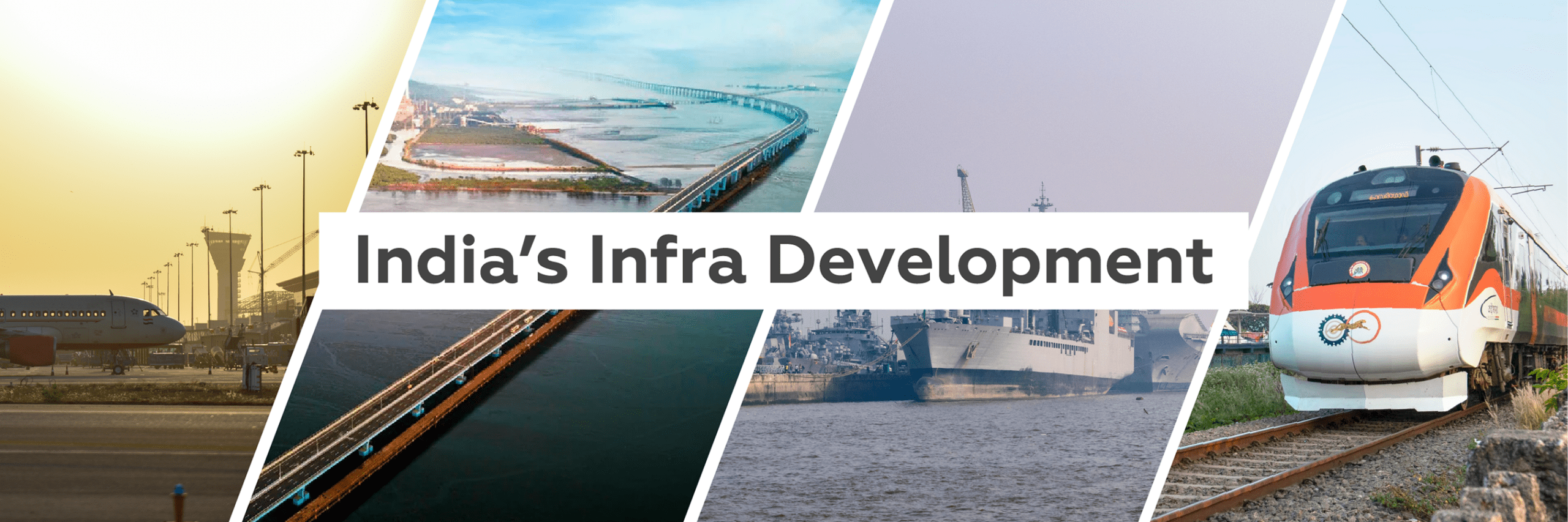
From an urban development perspective, the integration of transport and water infrastructure is particularly significant. Improved road connectivity is expected to enhance regional mobility and reduce logistics costs, while water projects aim to address supply gaps in drought-prone areas. Experts suggest that such investments, if aligned with sustainable planning, can strengthen the resilience of cities facing climate variability and population growth. The infrastructure push also includes transmission systems linked to renewable energy zones and new grid substations, indicating a parallel emphasis on strengthening clean energy networks. This reflects a broader transition towards integrating renewable power into urban systems, a key requirement for reducing carbon intensity in rapidly urbanising states. However, the scale of investment raises important questions about implementation and long-term impact. Urban planners caution that large infrastructure projects must be supported by governance reforms, maintenance frameworks and environmental safeguards to ensure equitable outcomes. Without such alignment, there is a risk that infrastructure expansion may outpace institutional capacity. The initiative also carries implications for employment and economic participation. Distribution of government job appointment letters during the rollout signals an attempt to link infrastructure growth with livelihood opportunities, particularly for younger populations entering the workforce.
More broadly, the Rajasthan rollout underscores a shift in how development is being positioned—not as isolated sectoral interventions, but as interconnected systems combining health, infrastructure and economic policy. For cities, this integrated approach could influence how future investments are prioritised, especially in balancing physical growth with social infrastructure. As implementation progresses, the effectiveness of this combined strategy will depend on how well health outcomes, infrastructure performance and environmental sustainability are aligned. For a state navigating rapid urban expansion and climate pressures, the challenge will be ensuring that scale translates into resilience, rather than just capacity.