


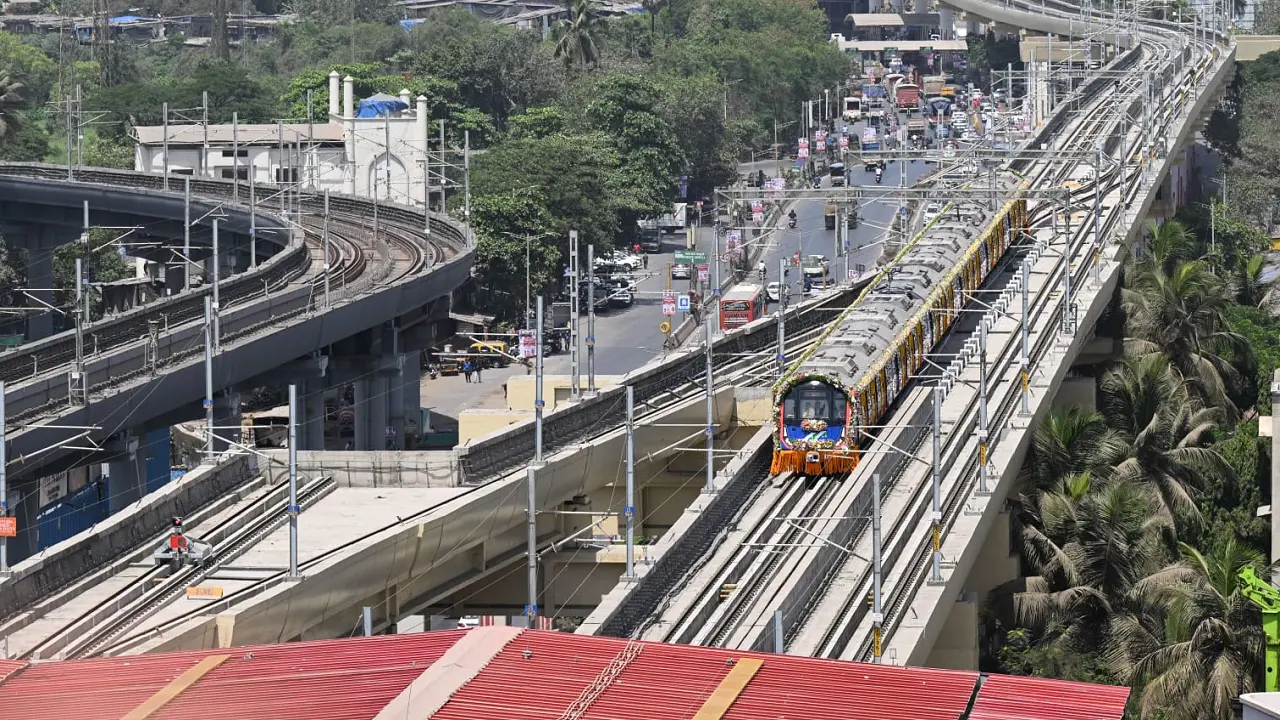
The expansion of the Indore Metro project has entered a new phase with authorities initiating procurement for vertical mobility systems such as lifts and escalators across stations. While often seen as secondary infrastructure, these systems are central to ensuring accessibility, safety, and seamless passenger movement in rapidly growing urban transit networks. The latest tender signals progress in station-level readiness as the city prepares for operational phases of the metro. Urban transport experts note that integrating lifts and escalators at the design stage is critical, particularly in cities like Indore where first-time mass transit adoption depends heavily on user comfort and ease of navigation.
Beyond convenience, the move reflects a broader shift towards inclusive urban mobility. Elevators and escalators play a vital role for elderly commuters, persons with disabilities, and families with children, making public transport systems more equitable. In the absence of such infrastructure, metro systems risk excluding a significant segment of potential users, undermining both ridership and social equity goals. Officials familiar with the development suggest that the procurement aligns with national guidelines on universal accessibility in public infrastructure. However, implementation quality will be key. In several Indian cities, poorly maintained or non-functional escalators and lifts have reduced usability, pointing to the need for lifecycle planning rather than one-time installation. From a sustainability perspective, energy-efficient designs and smart usage patterns for these systems are increasingly becoming part of metro planning. Experts argue that integrating regenerative drives and optimised operation schedules can significantly reduce the energy footprint of such installations—an important consideration for cities aiming to balance infrastructure growth with climate commitments. The Indore Metro project itself is positioned as a response to rising congestion, air pollution, and urban sprawl. By encouraging a modal shift away from private vehicles, it has the potential to reduce emissions and improve air quality. However, the success of this transition depends not only on track infrastructure but also on the overall passenger experience within stations. Urban planners emphasise that station design—including signage, accessibility features, and pedestrian connectivity—often determines whether commuters choose public transport over private alternatives. In this context, the current tender marks a step toward building a system that is not just functional but also user-centric.
As construction progresses, attention will increasingly turn to operational readiness and long-term maintenance frameworks. For Indore, the challenge lies in ensuring that infrastructure investments translate into reliable, inclusive, and climate-aligned urban mobility—setting a benchmark for emerging metro cities across India.
ALSO READ – Indore Heatwave Risk Rises Across Central India
Indore Metro Expansion Signals New Urban Mobility Shift
