


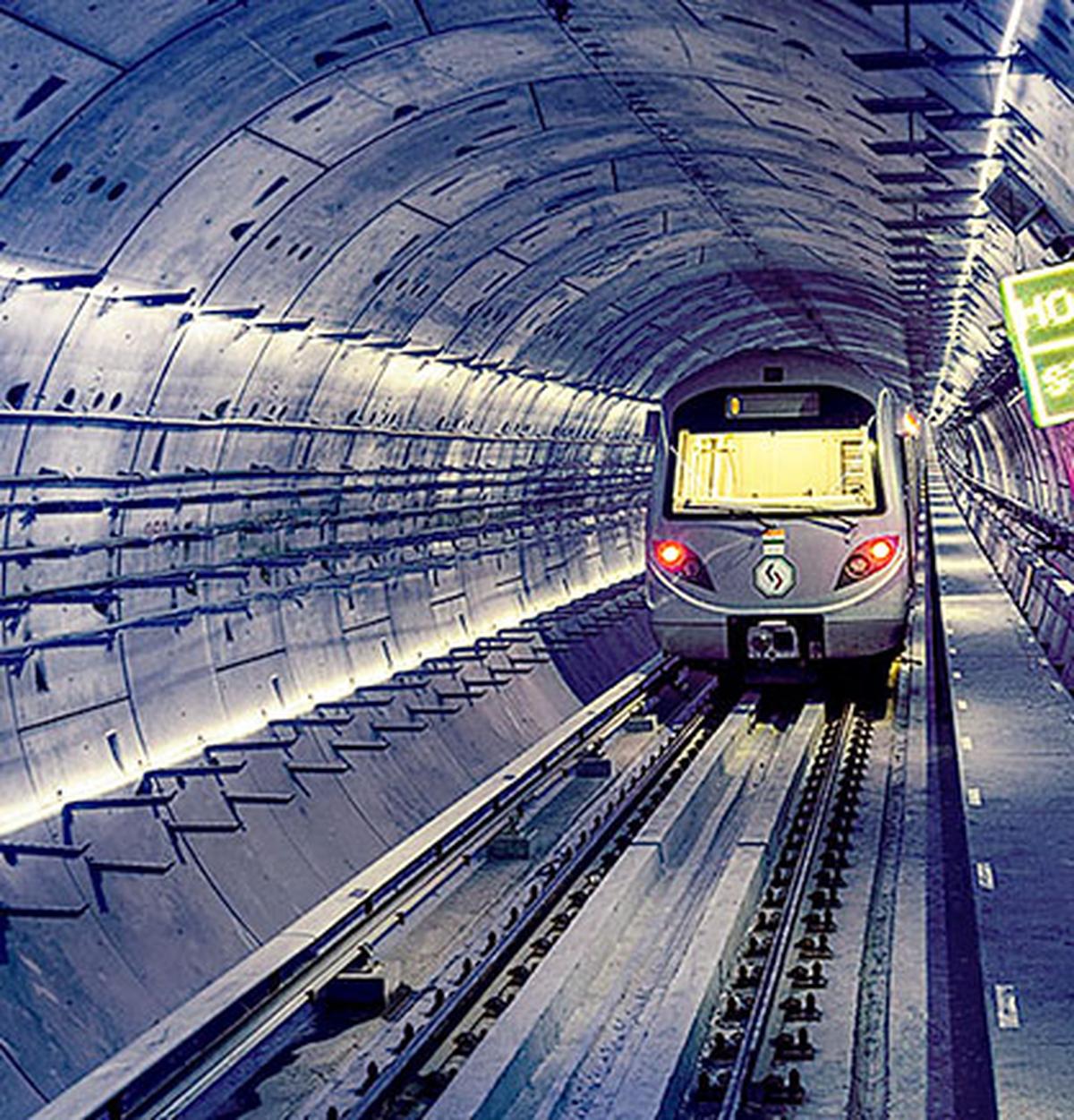
Kolkata’s ageing north-south metro corridor is set for a major operational upgrade after fresh public funding was cleared to strengthen infrastructure, improve service frequency, and modernise critical systems across the city’s busiest rapid transit line. The investment is expected to support higher train availability and reduce peak-hour congestion for lakhs of daily commuters who rely on the corridor for affordable urban mobility.
The approved allocation of ₹671 crore for the Blue Line comes at a time when Kolkata’s transport network is facing mounting pressure from rising commuter volumes, road congestion, and climate-linked mobility challenges. Urban planners say the move reflects a broader shift towards reinforcing mass transit systems rather than expanding dependence on private vehicles in dense metropolitan centres.Officials associated with the project indicated that the funding will primarily support signalling upgrades, operational infrastructure, and improvements linked to rolling stock movement and passenger handling capacity. The Blue Line, connecting the northern and southern stretches of the city, remains one of the most heavily utilised public transport corridors in eastern India and forms the backbone of Kolkata’s low-emission mobility ecosystem.Transport analysts note that investment in existing metro assets is becoming increasingly important as Indian cities confront deteriorating air quality and shrinking road efficiency. Unlike road expansion projects, metro modernisation can improve passenger throughput without increasing urban land consumption or traffic emissions. For Kolkata, where several neighbourhoods continue to grapple with traffic bottlenecks and long travel times, improving metro reliability carries direct economic and social benefits.
The latest allocation also highlights a growing policy focus on lifecycle maintenance of public infrastructure. Industry experts have frequently warned that ageing urban transit systems require sustained capital infusion to remain safe, energy efficient, and operationally resilient. Delays in maintenance and system renewal can reduce service reliability and discourage public transport adoption, especially among daily wage workers, women commuters, and elderly passengers who depend on predictable transit access.The Kolkata Metro network has expanded significantly in recent years with new corridors under development, but transport economists argue that strengthening legacy lines is equally critical for balanced urban mobility planning. The Blue Line not only carries high passenger density but also integrates multiple commercial, educational, and residential districts that generate continuous daily travel demand.Experts further point out that investments in metro efficiency can have a multiplier effect on urban productivity by lowering travel uncertainty and improving labour mobility across the metropolitan region. Reduced waiting time between trains could particularly benefit office commuters during peak hours, when overcrowding remains a persistent concern.
As Kolkata continues to urbanise, the long-term challenge will be ensuring that public transport investments remain aligned with sustainability goals, equitable access, and resilient city planning. The success of the latest Kolkata Metro upgrade will likely depend not only on infrastructure execution, but also on how effectively service improvements translate into safer, faster, and more dependable mobility for everyday commuters.
Read More : Maharashtra Moves To Strengthen Climate Water Strategy
