


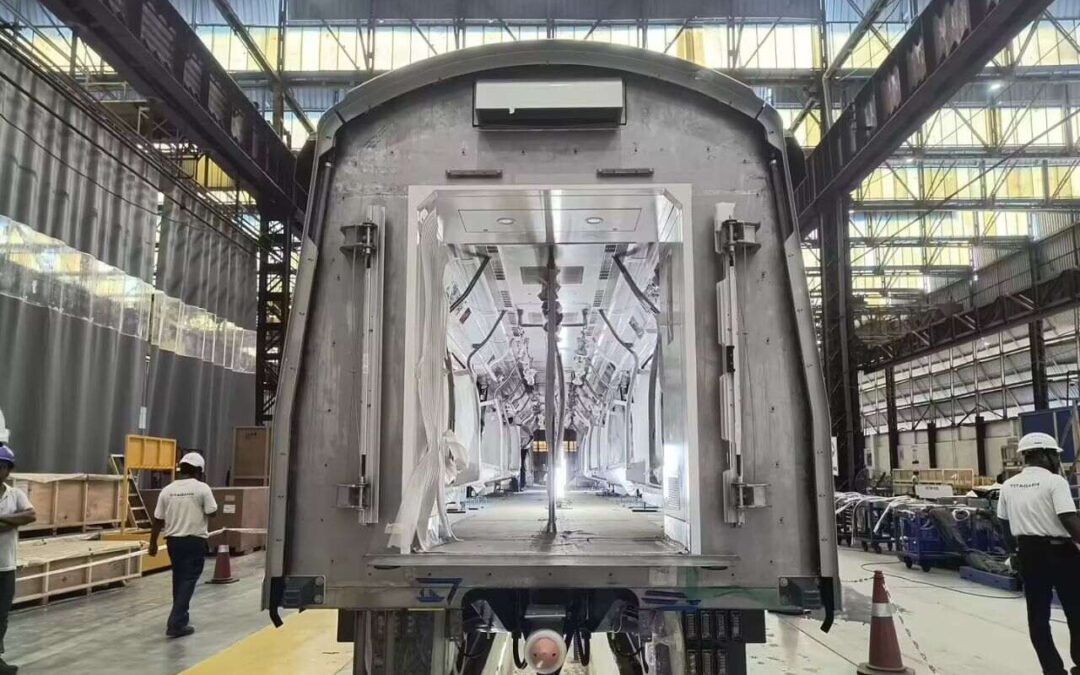
India’s railway modernisation drive received another operational boost after Eastern Railway awarded a maintenance-linked infrastructure contract valued at nearly ₹3.9 crore, reinforcing ongoing efforts to improve freight reliability and network resilience across eastern corridors. The order, linked to wagon component supply and maintenance systems, reflects the growing emphasis on lifecycle asset management as rail authorities prepare for higher freight movement and congestion pressures across industrial routes, particularly in relation to Eastern Railway infrastructure.
The latest contract forms part of a broader trend in India’s railway infrastructure sector, where zonal railway divisions are increasingly prioritising predictive maintenance and replacement of ageing freight components to reduce delays, operational risks and energy inefficiencies. Industry analysts say these smaller but recurring contracts are becoming critical to sustaining long-term rail capacity expansion without depending solely on mega capital projects.Eastern Railway, which manages some of the country’s busiest passenger and freight routes across eastern India, has been under pressure to strengthen operational efficiency amid rising cargo demand linked to coal, steel, ports and manufacturing activity. Experts tracking railway infrastructure spending note that maintenance-oriented procurement is now receiving greater institutional attention as rail networks face climate-related stress, seasonal flooding and heavier freight loads.The awarded work includes manufacturing and supply responsibilities tied to wagon systems used in freight operations. While the contract value is relatively modest compared with large electrification or station redevelopment projects, infrastructure planners point out that such maintenance investments directly influence safety performance, turnaround time and operational continuity.
The importance of Eastern Railway infrastructure cannot be overstated in this context, as it plays a crucial role in supporting the overall efficiency of freight transport in the region.
Railway infrastructure companies have increasingly diversified into specialised engineering, wagon systems and rail component manufacturing as Indian Railways expands procurement under domestic sourcing norms. Sector observers believe this shift is helping create regional industrial ecosystems around rail manufacturing while also improving supply-chain reliability for public transport infrastructure.The development also highlights how railway infrastructure spending is evolving beyond headline projects such as high-speed rail corridors or station redevelopment. Urban economists argue that dependable freight logistics remain equally important for reducing highway congestion, lowering transport emissions and supporting balanced regional economic growth. A stronger rail freight network can help cities reduce dependence on diesel-heavy road transport, particularly in industrial belts facing rising pollution and logistics bottlenecks.Public investment in rail maintenance has gained relevance at a time when Indian cities are grappling with rapid urbanisation and rising infrastructure stress. Freight efficiency improvements can lower logistics costs for industries while indirectly reducing pressure on urban roads and fuel consumption. Transport planners say sustained investment in railway infrastructure maintenance will be essential if India aims to expand low-carbon mobility systems and improve resilience in public transport networks.
With freight volumes expected to rise further over the next decade, railway authorities are likely to continue awarding targeted contracts focused on operational upgrades, safety systems and rolling stock maintenance. Analysts believe the effectiveness of these interventions will ultimately depend on timely execution, transparent procurement and integration with broader sustainable transport goals.
Read More : Maharashtra Tunnel Project Redefines Highway Infrastructure
Eastern Railway Expands Track Maintenance Network
