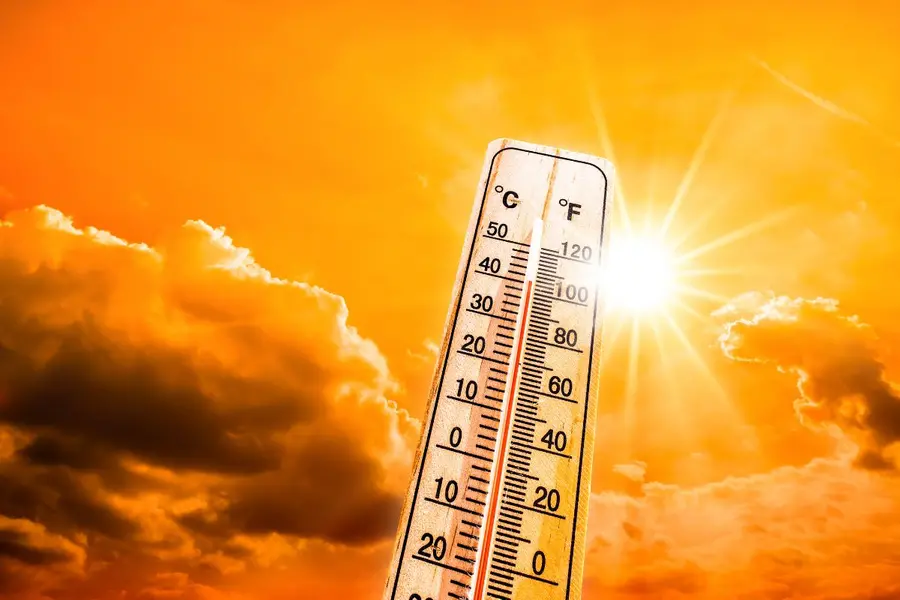
A sharp rise in temperatures across several cities in Madhya Pradesh has triggered a heatwave alert, with multiple districts expected to experience conditions above 42°C. The intensifying heat is not just a seasonal concern—it is rapidly emerging as a structural urban challenge affecting public health, infrastructure reliability, and economic productivity.
Urban centres such as Indore and Bhopal are witnessing prolonged exposure to extreme heat, placing pressure on essential services like water supply, electricity demand, and public transport systems. With daytime temperatures soaring and nights offering limited relief, residents—particularly outdoor workers, delivery personnel, and informal sector labour—are among the most vulnerable. Officials indicate that at least 16 districts are currently under heatwave conditions, with dry winds and low humidity compounding the impact. While such temperature spikes are not unprecedented, their frequency and duration have increased in recent years. Urban planners warn that this pattern reflects broader climate shifts, where cities—due to dense construction, reduced green cover, and heat-absorbing materials—experience amplified warming compared to surrounding rural areas . The heatwave alert has also exposed gaps in city-level preparedness. Many urban areas continue to lack comprehensive heat action plans that integrate early warning systems, cooling shelters, and public awareness campaigns. A senior administrative official noted that while advisories are issued, implementation often remains fragmented at the ground level, especially in smaller municipalities. Healthcare systems are already reporting a rise in heat-related illnesses such as dehydration, heat exhaustion, and fainting episodes. Experts emphasise that urban heat stress is not just a health issue but also an economic one. Reduced working hours, declining labour productivity, and increased energy consumption can have cascading effects on local economies. From an infrastructure perspective, sustained high temperatures can weaken road surfaces, disrupt power grids, and strain water distribution networks. Cities with limited tree cover and high levels of concrete development are particularly susceptible to what urban researchers describe as the “heat island effect”—where built environments trap and radiate heat more intensely.
The current heatwave alert underscores the urgent need for climate-resilient urban planning. Measures such as increasing green spaces, promoting reflective building materials, improving water-sensitive design, and ensuring equitable access to cooling solutions are becoming essential rather than optional. As temperatures continue to climb, the focus is shifting from short-term relief measures to long-term adaptation. For rapidly growing cities in central India, managing extreme heat will be critical to safeguarding both liveability and economic stability in the years ahead.