Hyderabad tanker demand surge exposes water stress
A sharp rise in water tanker usage across Hyderabad is signalling growing stress on the city’s water systems, as extreme summer temperatures push households and businesses to seek alternative supply sources. The surge, driven by a prolonged heatwave, has exposed how climate pressures and rapid urban expansion are reshaping access to basic services in one of India’s fastest-growing cities.
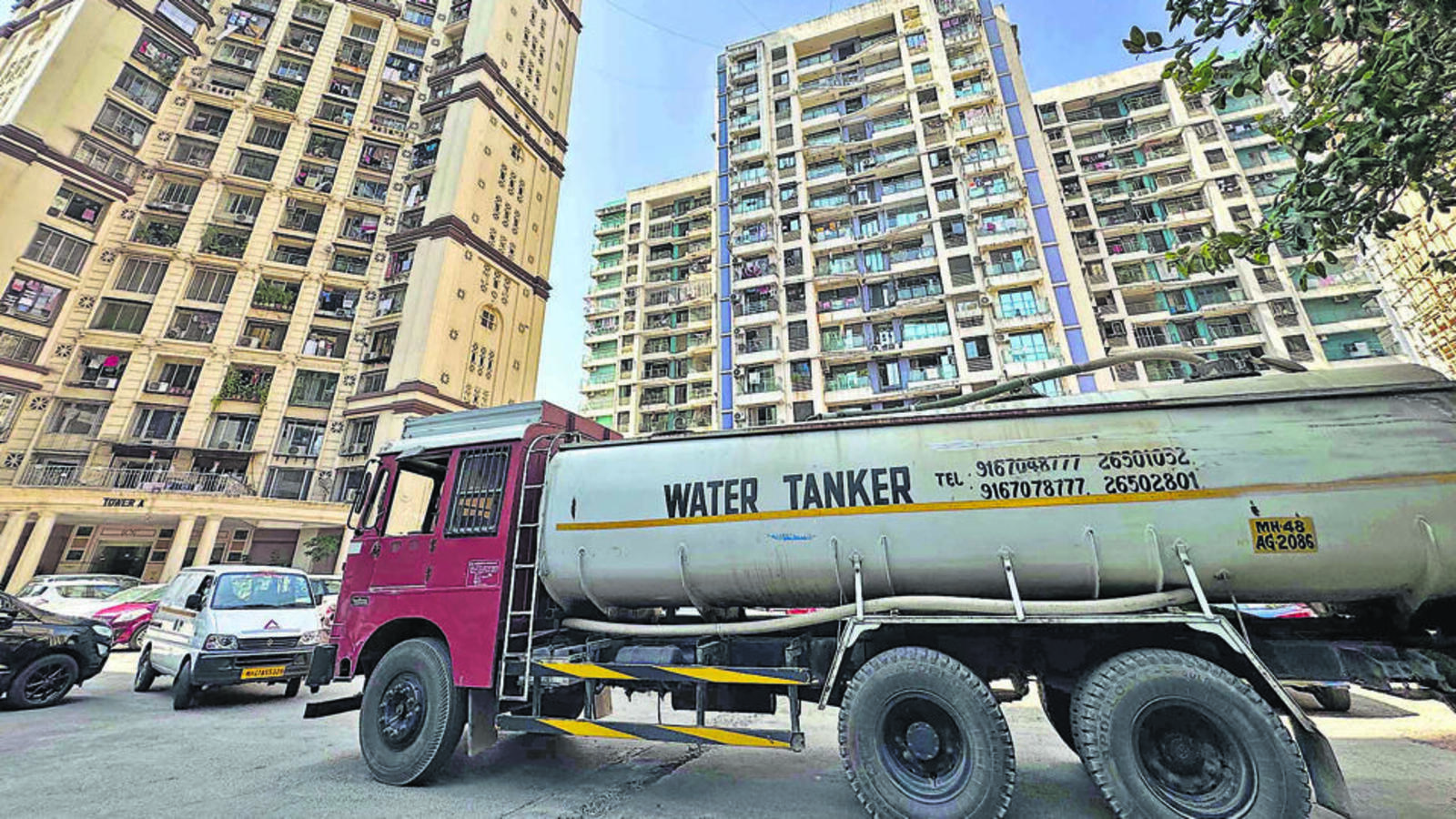
Data from the Hyderabad Metropolitan Water Supply and Sewerage Board (HMWSSB) shows that daily tanker demand has nearly doubled during peak summer, climbing from about 7,000–8,000 trips in non-summer months to 12,000–13,000. In April alone, tanker bookings crossed 2.85 lakh—an increase of over 60,000 compared to the previous month—highlighting the scale of seasonal stress on urban water systems. The spike in Hyderabad tanker demand surge is closely linked to falling groundwater levels and drying borewells, particularly in high-growth residential clusters. Areas such as Kondapur, Kukatpally, Manikonda, and Banjara Hills are among the most affected, where dense apartment developments and commercial activity have increased reliance on tanker supply. Despite this, officials maintain that the city’s core piped supply—currently around 575 million gallons per day—remains stable and adequate for most consumers. Around 70% of Hyderabad does not face significant tanker dependence, indicating that the issue is less about absolute scarcity and more about uneven distribution and infrastructure capacity limits. Urban planners argue that the Hyderabad tanker demand surge reflects deeper structural imbalances. As the city expands outward towards the Outer Ring Road and beyond, infrastructure provisioning has struggled to keep pace with real estate growth.
Newly developed zones often rely heavily on groundwater and private supply chains, making them more vulnerable during heatwaves and periods of low recharge.The economic impact is also becoming visible. Residential communities in parts of western Hyderabad are reporting steep increases in monthly water expenses, with some spending several lakh rupees on tanker procurement during peak summer months. This rising cost burden is gradually feeding into maintenance charges and housing affordability, particularly in high-density developments.From a climate perspective, the trend raises concerns about long-term sustainability. Tanker-based supply is energy-intensive and often dependent on distant or unregulated sources, increasing both carbon emissions and pressure on regional water reserves. Experts warn that continued reliance on such systems could deepen environmental stress while creating inequitable access to water.Policy responses are beginning to reflect this urgency. Authorities have expanded tanker fleets, extended operating hours at filling stations, and issued advisories on water conservation. At the same time, broader measures under the state’s heat action plan aim to ensure uninterrupted supply and reduce demand pressures during peak summer months.
As Hyderabad navigates intensifying heatwaves, the surge in tanker demand offers a clear signal: future urban resilience will depend not just on augmenting supply, but on rethinking how water is stored, distributed, and conserved across a rapidly changing city.