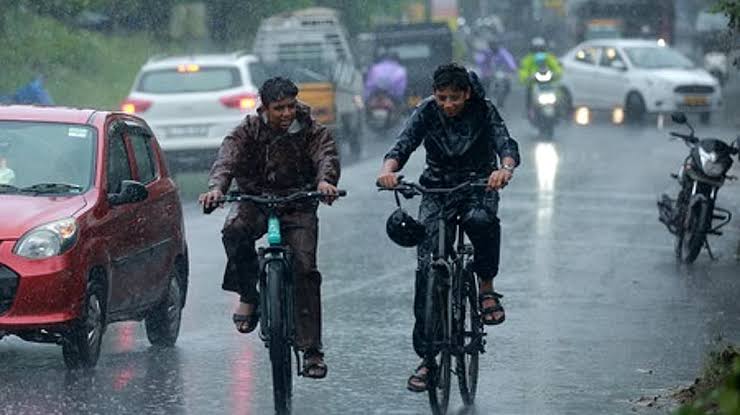
HYDERABAD: Telangana’s health authorities have stepped up public health preparedness as persistent rainfall and forecasts of more wet weather raise the likelihood of seasonal infections. The advisory comes as changing temperature and humidity conditions could increase exposure to mosquito-borne, waterborne and respiratory illnesses, putting added pressure on households and local health services.
The state health department has asked residents to seek medical attention if they develop symptoms including fever accompanied by cough, headache, sore throat or body aches. The guidance is aimed at encouraging early medical assessment rather than allowing potentially infectious illnesses to worsen or spread within communities. Weather conditions are central to the current concern. The India Meteorological Department’s Hyderabad centre has forecast rainfall across Telangana over the coming week, with heavier spells expected in several districts in the immediate period. Persistent rain can create stagnant water, increase mosquito breeding sites and raise the possibility of contamination in local water systems. Waterborne illnesses are among the key risks during such periods. Poorly managed drainage, contaminated drinking water and inadequate sanitation can contribute to gastrointestinal infections and diseases such as typhoid and jaundice. Health officials have therefore urged households to use safe drinking water and maintain regular hand hygiene, particularly around meal times.
Food safety also becomes more important when heavy rain disrupts storage, transport and sanitation. Residents have been advised to avoid stale or unhygienically prepared food, particularly from sources where cleanliness and refrigeration cannot be assured. Respiratory infections present another concern as people spend more time indoors during prolonged wet weather. Health authorities have advised residents to maintain basic hygiene, cover their mouth and nose while coughing or sneezing and limit close contact when experiencing flu-like symptoms. Mosquito control remains a parallel challenge. Water collecting in open containers, drains, rooftops and other low-lying areas can provide breeding sites for mosquitoes linked to diseases including dengue, malaria and chikungunya. Residents have been encouraged to use window screens and bed nets, while keeping domestic drainage systems clear.
The advisory also calls for regular removal of stagnant water around homes. The weekly Friday Dry Day practice is intended to make households routinely inspect and empty containers or other locations where water may accumulate. Septic tanks and other potential breeding points should also be securely covered. For Hyderabad and other rapidly urbanising areas, the health risk is closely tied to basic infrastructure. Drainage capacity, waste management, clean water supply and effective mosquito-control measures can significantly influence how communities cope with prolonged rainfall. The immediate priority is prevention, but sustained preparedness will require coordination between civic bodies, health agencies and residents. Early reporting of symptoms, reliable sanitation and faster removal of stagnant water can help reduce avoidable illness as the rainy spell continues.