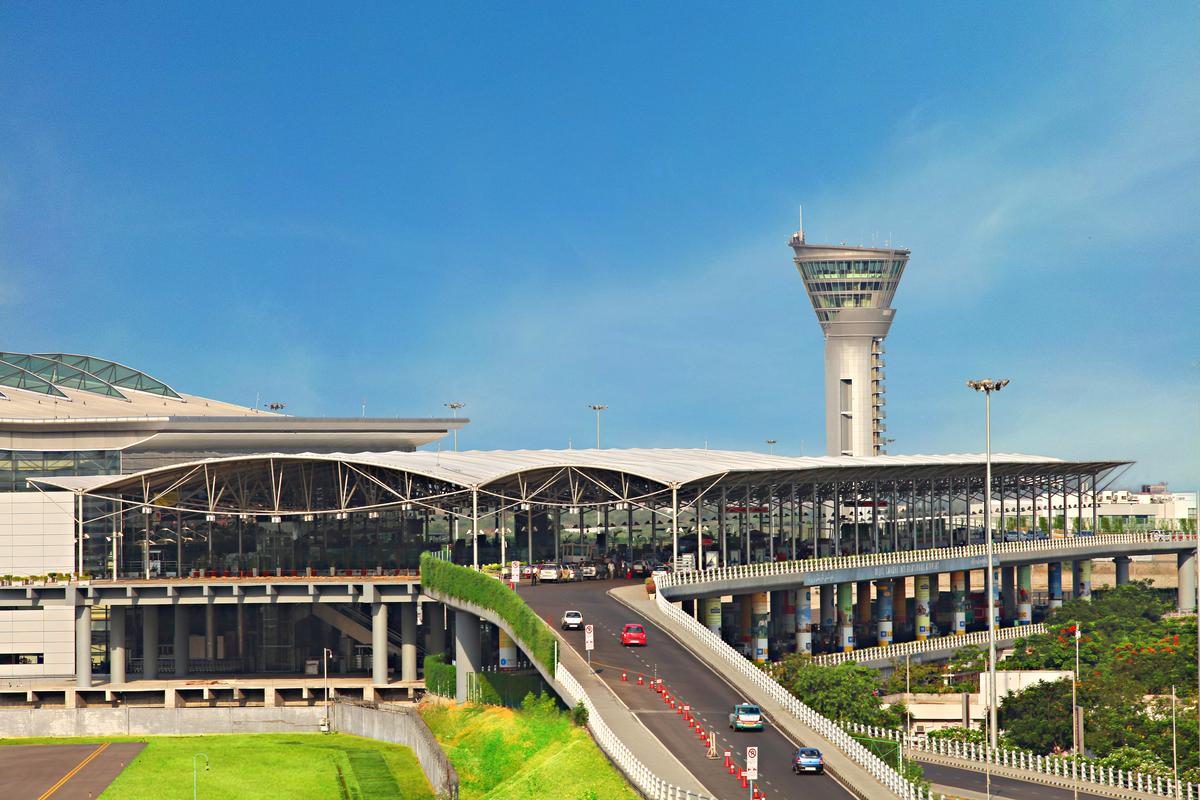
Hyderabad airport parking upgrade adds pre booking option
Hyderabad’s aviation infrastructure is expanding beyond terminals and runways, with Rajiv Gandhi International Airport introducing a pre-booked parking system aimed at easing last-mile travel for passengers. The newly launched “Park and Fly” service allows travellers to reserve parking slots in advance, reflecting a growing focus on seamless, time-efficient airport access in rapidly urbanising cities.
The system enables passengers to book parking online prior to arrival and access designated zones at the airport without searching for space on-site. Upon booking, users receive a digital confirmation that can be presented at entry points, reducing wait times and congestion within parking areas. The initiative comes in response to rising passenger volumes and increasing demand for parking at the airport, which serves as a major gateway for southern India. By formalising parking access, the system aims to improve traffic flow and reduce bottlenecks, particularly during peak travel hours. Under the model, users can reserve slots for cars, two-wheelers, and even larger vehicles such as buses. Bookings must typically be made at least six hours in advance and remain valid for a defined time window, ensuring predictable access. Pricing follows a structured format based on duration. For instance, parking for four-wheelers starts at around ₹150 for short stays, with a daily cap of approximately ₹750, while two-wheelers have lower entry rates. Additional options such as valet parking are also available for travellers seeking faster drop-off and retrieval.
Urban mobility experts view such systems as part of a broader shift towards integrated airport ecosystems. As cities expand outward, airports are no longer standalone transit points but hubs connected to business districts, logistics corridors, and residential clusters. Managing vehicle flow efficiently within these nodes is becoming critical to overall urban mobility.The “Park and Fly” model also reflects changing commuter behaviour. With rising private vehicle ownership and time-sensitive travel patterns, passengers increasingly prefer driving themselves to the airport rather than relying solely on taxis or public transport. Pre-booked parking reduces uncertainty and aligns with this shift, particularly for short-duration trips.However, planners caution that such solutions must be complemented by stronger public transport connectivity. While digital parking systems improve convenience, over-reliance on private vehicles can increase congestion and emissions if not balanced with sustainable transit options such as metro links or shuttle services.
For Hyderabad, the move signals a broader evolution in infrastructure planning—where digital systems, user experience, and operational efficiency are becoming as important as physical capacity. As passenger traffic continues to grow, the success of such initiatives will depend on how well they integrate with wider mobility networks and sustainability goals.