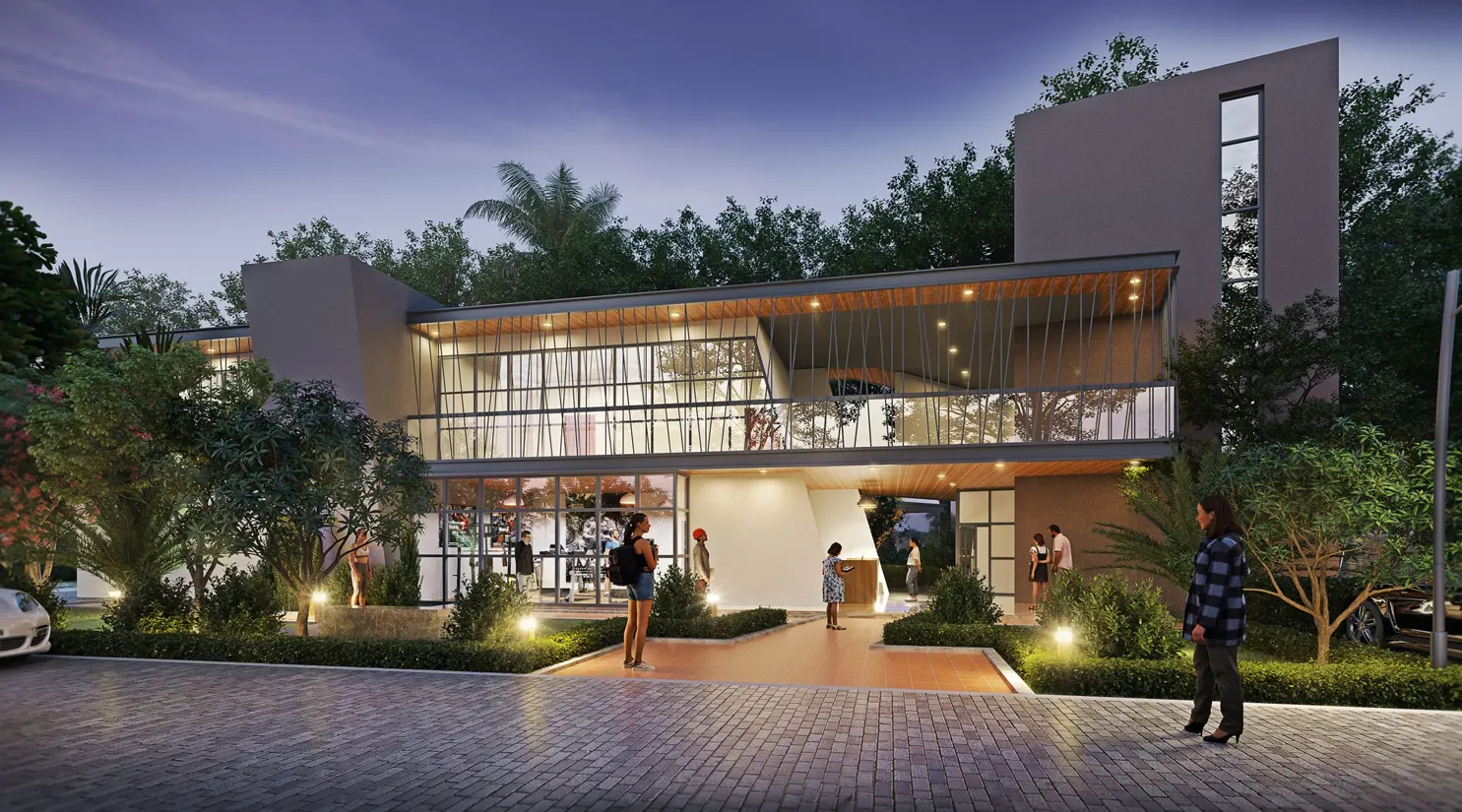
A growing shift towards land-based, experience-driven ownership is reshaping real estate activity in Hoskote, on Bengaluru’s eastern edge, where managed farmland living is gaining traction among urban buyers seeking both investment security and ecological engagement. The trend reflects a broader transition in how peri-urban land is being positioned within India’s evolving property market.
Once viewed as a peripheral settlement, Hoskote has steadily integrated into Bengaluru’s expanding metropolitan footprint. Improved road connectivity, proximity to industrial clusters, and spillover demand from saturated city zones have turned the area into a viable investment corridor. While large residential layouts and apartment developments continue to dominate supply, a parallel market is emerging around agricultural plots designed for lifestyle use rather than purely speculative holding. This new category commonly referred to as managed farmland living blends land ownership with curated agricultural and recreational experiences. Buyers are not only purchasing plots but also participating in structured farming ecosystems supported by professional management, irrigation systems, and crop planning. Industry observers note that such formats appeal particularly to first-generation investors and urban professionals seeking low-density, nature-linked alternatives to conventional housing.
Urban planners point out that this trend aligns with changing post-pandemic preferences, where access to open spaces, food security awareness, and environmental consciousness are influencing real estate choices. Managed farmland living also introduces a hybrid land-use model, where agricultural productivity coexists with leisure and second-home functions. However, experts caution that regulatory clarity around land conversion, water usage, and long-term sustainability remains critical for the segment’s credibility.From a market standpoint, Hoskote’s appeal lies in its affordability compared to core Bengaluru zones, combined with its connectivity to employment hubs. This has allowed developers to experiment with differentiated offerings, including eco-farming plots, greenhouse-supported cultivation, and integrated rural experiences. The emphasis is gradually shifting from passive land banking to active land utilisation, where owners engage with cultivation cycles or lease operations to managed services. Sustainability analysts highlight that if executed responsibly, managed farmland living could contribute to peri-urban resilience by preserving green buffers, supporting local agriculture, and reducing unchecked land fragmentation.
At the same time, they warn against the risk of “greenwashing,” where projects may market sustainability without ensuring long-term ecological viability.For civic authorities, the rise of such developments raises important questions around infrastructure provisioning, water management, and land governance in fringe areas. As Hoskote continues to urbanise, balancing growth with environmental safeguards will be essential to avoid the pitfalls seen in other rapidly expanding corridors. With demand for managed farmland living expected to grow, the coming years may determine whether this model evolves into a stable asset class or remains a niche segment shaped by lifestyle aspirations and regulatory oversight.