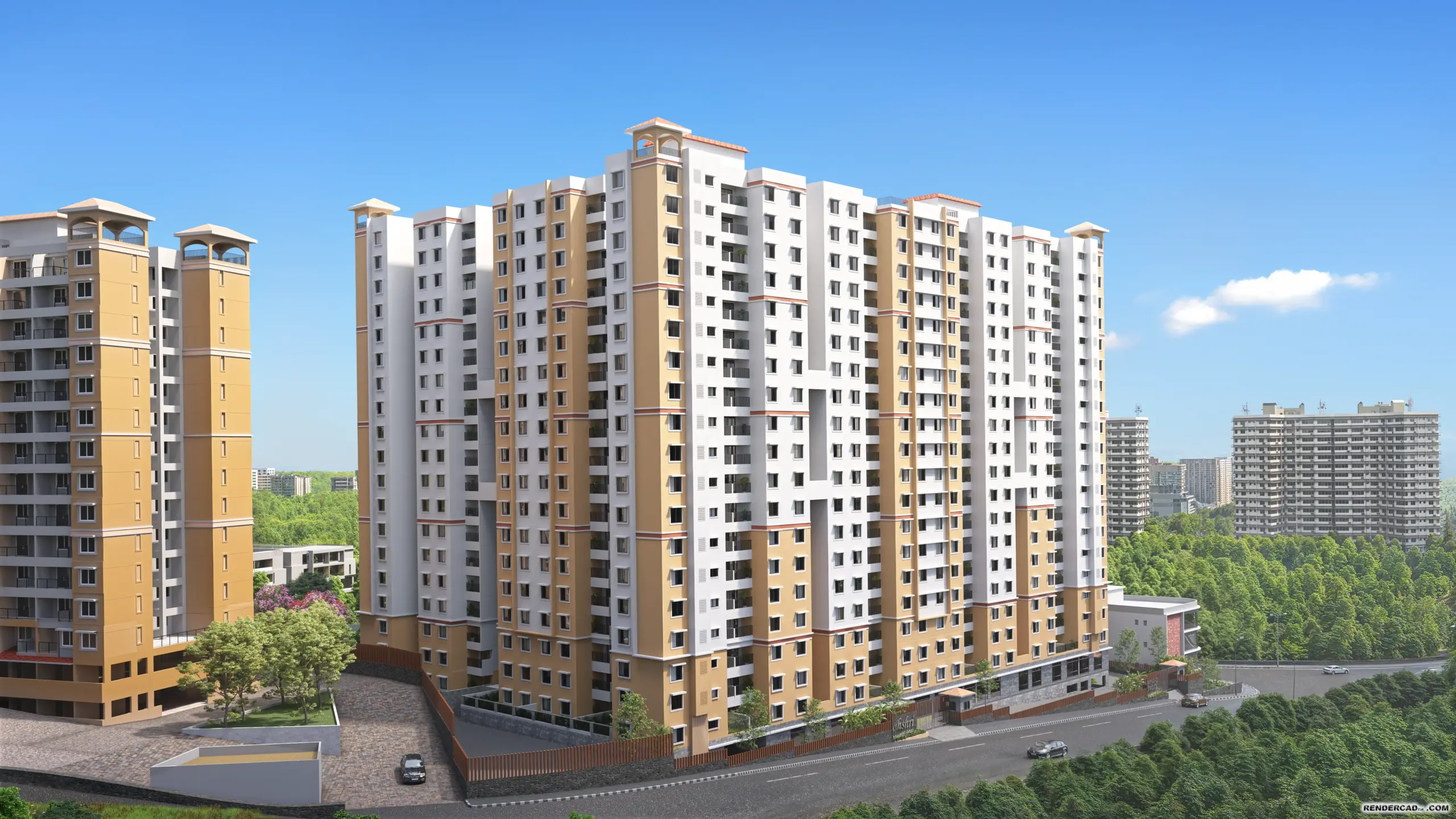
A quarter-century milestone in Pune’s housing sector is drawing attention to a broader shift in how Indian cities are planning for ageing populations. Paranjape Schemes Construction Pvt Ltd has completed 25 years of its senior housing platform Athashri, underlining the steady emergence of organised senior living India as a distinct and expanding segment within urban real estate.
What began as a niche concept in the early 2000s when senior housing often carried social stigma has evolved into a multi-city network of retirement communities. Today, the platform spans multiple locations and caters to thousands of residents, reflecting changing demographics and rising life expectancy across urban India. Industry observers note that this growth aligns with a wider transition from joint-family dependency to more independent living arrangements for older citizens. Urban planners say the rise of senior living India is closely linked to structural shifts in Indian cities. Migration patterns, smaller households, and dual-income families have altered traditional caregiving systems. In response, purpose-built communities are increasingly integrating healthcare access, mobility-friendly design, and social infrastructure to support active ageing.
The Pune-based developer’s journey mirrors this transition. Its early projects focused on creating secure, community-driven environments rather than institutional care settings. Over time, the model expanded to include assisted living formats and specialised housing for residents with diverse physical needs. This layered approach reflects a growing recognition that ageing populations require differentiated housing solutions rather than a one-size-fits-all model.Experts point out that the “silver economy” driven by consumption and services tailored to older adults is becoming a key factor in urban development. Real estate is playing a central role, not only by providing housing but also by shaping neighbourhood ecosystems that include healthcare, recreation, and local commerce. In this context, senior housing is no longer viewed as peripheral but as an integral component of inclusive city planning. There are also sustainability and resilience considerations. Senior living communities, when planned effectively, can reduce urban strain by decentralising healthcare demand and encouraging compact, walkable layouts. Accessible design, energy-efficient buildings, and proximity to essential services are increasingly seen as critical features, particularly in climate-sensitive urban regions.
However, challenges remain. Affordability continues to limit access for a large segment of India’s ageing population, while regulatory frameworks for senior housing are still evolving. Urban policy specialists argue that scaling senior living India will require clearer guidelines, public-private collaboration, and incentives for inclusive development models that extend beyond premium offerings. As India’s elderly population is projected to grow significantly over the coming decades, the sector’s trajectory will likely influence how cities adapt to demographic change. The next phase of growth may depend less on expansion alone and more on how effectively these communities integrate healthcare, affordability, and environmental sustainability into their design.