Mumbai Bengaluru Pune Lead Residential Launches Growth
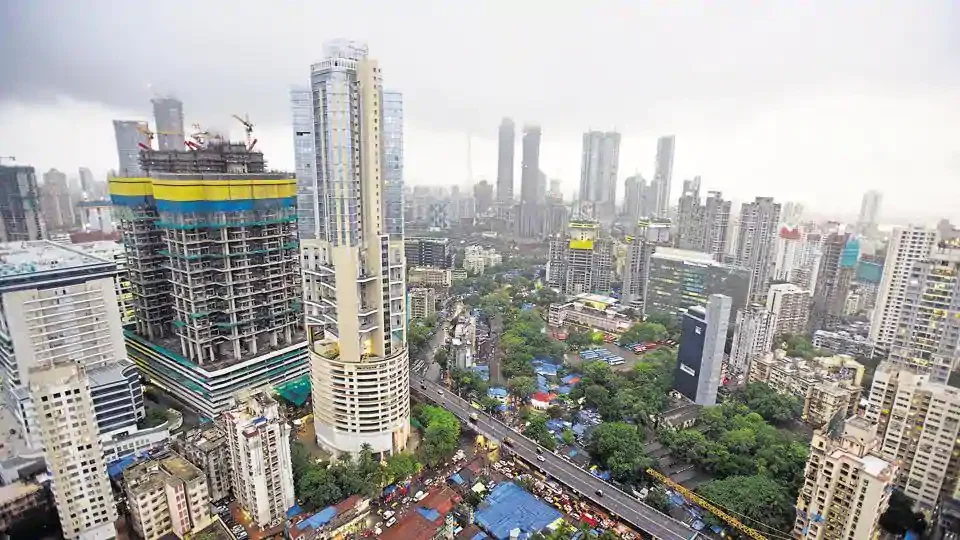
India’s residential launches landscape in early 2026 is being shaped decisively by three major urban centres, with Mumbai, Bengaluru and Pune accounting for a dominant share of new housing supply. The concentration of activity in these cities signals not just market confidence, but also a structural shift in how urban growth is being planned and delivered across the country.
Across the top eight metropolitan regions, developers introduced over 75,000 new housing units during the first quarter, reflecting steady expansion despite global economic uncertainties. Industry observers note that while overall growth remains moderate, the clustering of projects in key economic hubs underscores their continued pull for both end-users and investors. Mumbai led the surge, driven in part by redevelopment initiatives and land optimisation in established suburban corridors. Bengaluru’s supply pipeline was supported by large-scale township developments, particularly in emerging eastern zones where infrastructure upgrades are unlocking new residential clusters. Pune, meanwhile, maintained momentum along its northern and western growth belts, benefiting from proximity to employment hubs and relatively lower land acquisition constraints.
Urban planners suggest that this concentration of residential launches is closely tied to infrastructure-led development. Improved connectivity, expansion of transit systems, and access to employment centres are pushing housing supply toward peripheral and peri-urban areas. While this enables cities to expand outward, it also raises questions around sustainable land use, commuting patterns, and the provision of social infrastructure.Segment-wise, mid-income housing continues to form the backbone of supply, accounting for nearly half of all new units. However, the share of premium and luxury housing remains significant, reflecting rising demand for larger homes and lifestyle-oriented developments. At the same time, a modest resurgence in affordable housing supply has been observed, particularly in suburban locations where land costs allow for price-sensitive projects. Market analysts indicate that price growth has continued, though at a more measured pace compared to previous quarters. This suggests a transition toward a more balanced market, where developers are aligning supply more closely with demand realities. For homebuyers, especially first-time entrants, this could mean improved choice but also the need to navigate higher entry costs in core markets.
Another emerging trend is the growing interest in plotted developments and gated communities, particularly among investors seeking diversification. Such formats, often located on city outskirts, are reshaping the definition of urban housing by blending residential use with open spaces and lower density living an aspect increasingly relevant in the context of climate resilience and liveability. As India’s cities continue to expand, the dominance of a few metropolitan regions in driving residential launches raises broader questions about regional equity and balanced urbanisation. Going forward, policymakers and developers alike will need to ensure that growth is not only robust, but also inclusive, resource-efficient, and aligned with long-term sustainability goals.