


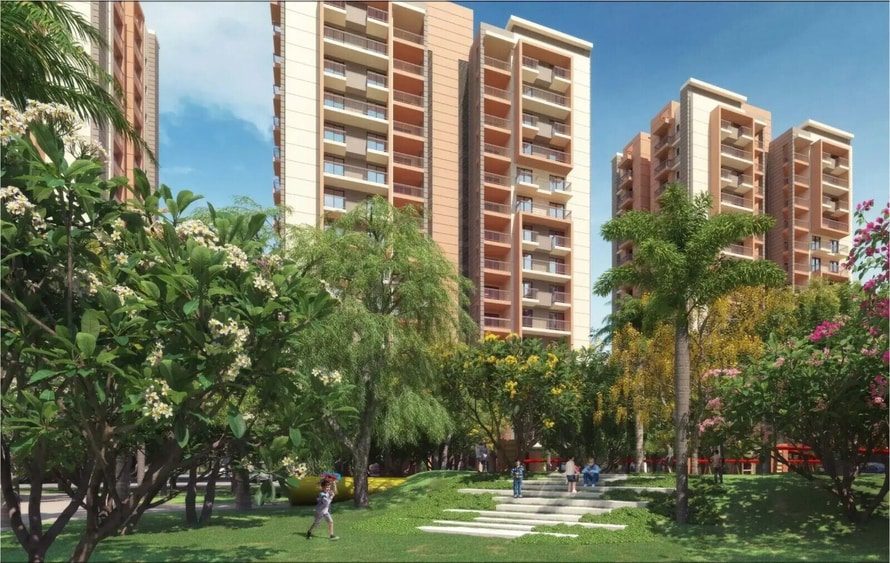
Chennai’s real estate market is witnessing a gradual shift towards age-focused housing, with a new senior living project planned in the city. The development reflects changing demographic patterns and evolving housing needs as urban populations age and demand more specialised residential environments.
Senior living projects are designed to cater to older residents with features such as accessible infrastructure, healthcare support, and community-oriented spaces. In a city like Chennai, where traditional family structures are transforming and nuclear households are becoming more common, such housing models are gaining relevance.Urban planners point out that the rise of senior living developments highlights a broader gap in age-inclusive urban design.While cities have expanded rapidly in terms of residential and commercial infrastructure, provisions for elderly-friendly housing, mobility, and healthcare access have often lagged behind. Dedicated projects can help address these gaps, but they also underline the need for more inclusive planning across all housing types.The economic implications are notable. The growing demand for senior housing is creating a niche segment within the real estate market, attracting developers and investors. This segment is expected to expand further as life expectancy rises and urban residents seek independent yet supported living arrangements. However, affordability remains a key concern, as many such projects are positioned in the premium category, limiting access for middle- and lower-income groups.From a sustainability perspective, integrating senior living into the broader urban fabric is critical.
Developments located far from city centres or essential services can increase dependence on private transport and reduce accessibility.Experts emphasise the importance of situating such projects within well-connected areas, ensuring proximity to healthcare facilities, public transport, and community infrastructure.There are also social considerations. While senior living communities can offer safety and companionship, they may inadvertently lead to age segregation if not thoughtfully integrated with mixed-use neighbourhoods. Urban designers suggest that intergenerational spaces—where different age groups can interact—are essential for building inclusive and cohesive communities.Healthcare integration is another key factor. As demand for specialised medical services grows alongside senior housing, cities must ensure that healthcare infrastructure expands in tandem. This includes not only hospitals but also preventive care, rehabilitation services, and emergency response systems.The emergence of senior living projects in Chennai signals a broader transformation in how cities approach housing and demographic change.
As the sector evolves, balancing commercial viability with inclusivity and accessibility will be crucial.Looking ahead, the success of such developments will depend on their ability to align with wider urban planning goals—creating environments that are not only comfortable for older residents but also sustainable, connected, and integrated into the city’s social and economic fabric.
Also Read:Chennai Global University Campus Expands Education Opportunities
