


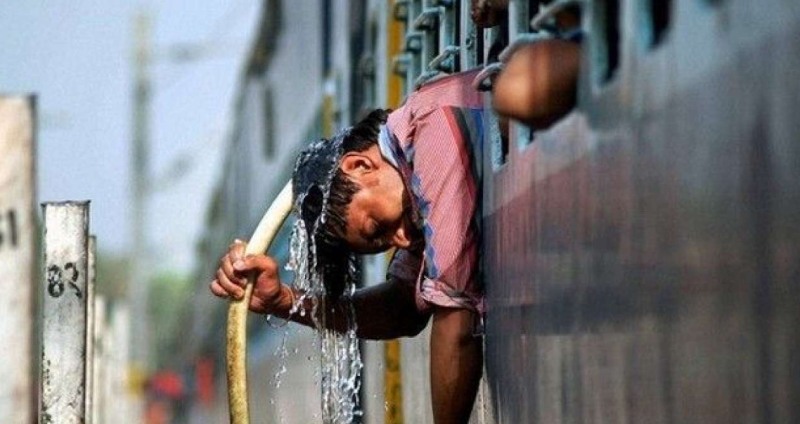
Peripheral areas of Chennai are witnessing sustained high temperatures, with mercury levels crossing 40°C for consecutive days, intensifying the ongoing Chennai suburban heatwave. The prolonged heat spell is placing additional strain on residents in outer neighbourhoods, where infrastructure and environmental buffers are often less developed compared to the urban core.
Meteorological patterns suggest that suburban zones are increasingly vulnerable to extreme heat due to rapid land-use changes.Expansion into previously open or semi-rural areas has reduced vegetation cover, while new construction has increased heat retention.This combination is amplifying the effects of the Chennai suburban heatwave, making peripheral regions particularly susceptible to temperature spikes.The impact is being felt across daily life. Outdoor workers, including those in construction and informal sectors, face heightened health risks, while households grapple with rising energy consumption for cooling. Public health experts warn that repeated exposure to high temperatures can lead to dehydration, heat exhaustion, and other heat-related illnesses, especially among vulnerable populations.Urban planners note that the Chennai suburban heatwave highlights disparities in climate resilience within the city.Central areas often benefit from better infrastructure, access to shaded spaces, and more established public services.In contrast, suburban zones may lack adequate tree cover, cooling infrastructure, and access to public amenities, exacerbating the effects of extreme weather.
Infrastructure systems are also under pressure. Increased demand for electricity during heatwaves can strain power supply networks, while water resources may come under stress due to higher consumption.Experts emphasise the need for integrated planning that addresses both immediate and long-term challenges associated with rising temperatures.Environmental strategies are central to mitigating these impacts. Expanding urban green cover, protecting water bodies, and promoting reflective building materials can help reduce heat absorption.Incorporating such measures into suburban development plans will be critical to enhancing resilience against future heat events.The economic implications are equally significant. Reduced productivity, particularly in sectors dependent on outdoor labour, can affect local economies.Additionally, higher energy costs place a financial burden on households, particularly those in lower-income brackets.The ongoing Chennai suburban heatwave also underscores the importance of early warning systems and public awareness initiatives. Timely advisories, access to cooling centres, and community-level interventions can help reduce the human impact of extreme heat.As Chennai continues to expand outward, the experience of its suburbs offers a clear signal of the challenges ahead.
Building climate-resilient infrastructure in these areas will be essential to ensure equitable living conditions across the metropolitan region.The persistence of high temperatures serves as a reminder that urban growth must be aligned with environmental considerations. Without such alignment, the risks associated with extreme heat are likely to intensify, affecting both quality of life and long-term sustainability.
Also Read:Bengaluru Private Parking Rules Aim To Reduce Congestion

