


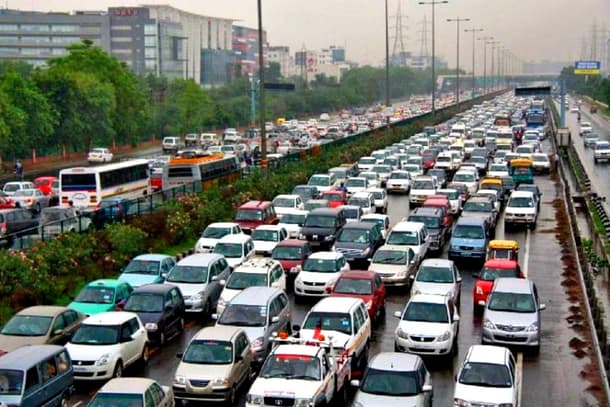
New regulatory measures in Bengaluru are set to encourage the creation of off-street parking spaces, as authorities attempt to ease mounting congestion and reclaim road space for smoother mobility. The updated framework around Bengaluru private parking rules aims to incentivise property owners and developers to provide designated parking bays within their premises rather than relying on already crowded streets.
The move comes in response to increasing vehicle ownership and limited urban land availability, which have intensified competition for on-street parking. In many parts of the city, roads are partially occupied by parked vehicles, reducing carriageway capacity and contributing to traffic bottlenecks. Urban planners argue that shifting parking demand off the streets could improve traffic flow and enhance road safety.Under the revised Bengaluru private parking rules, property owners may be allowed to develop or monetise parking spaces, creating a more structured and potentially market-driven system. Experts suggest that formalising parking infrastructure can also improve compliance, as clearly designated spaces reduce ambiguity around where vehicles can be parked.However, mobility specialists caution that expanding parking supply must be balanced with broader transport goals.Increasing parking availability can sometimes encourage greater car usage, potentially counteracting efforts to promote public transport and non-motorised mobility.As a result, the effectiveness of the Bengaluru private parking rules will depend on how they are integrated with wider policies on congestion management and sustainable transport.The initiative also raises questions around urban design and land use.
Allocating space for parking in a dense city can compete with other priorities such as green areas, pedestrian pathways, and affordable housing.Experts emphasise the need for a balanced approach that optimises land use while addressing mobility challenges.From an economic perspective, the policy could open up new revenue streams for property owners and create opportunities for private investment in parking infrastructure.Structured parking facilities, if well-managed, can contribute to local economic activity while reducing informal parking practices that often lead to disputes and inefficiencies.Environmental considerations remain critical.Reducing on-street parking can help improve traffic flow, potentially lowering emissions from idling vehicles. At the same time, encouraging a shift towards public transport, cycling, and walking will be essential to achieving long-term sustainability goals. Integrating parking policies with transit-oriented development can help align infrastructure growth with climate objectives.There are also implementation challenges to consider. Enforcement of parking norms, pricing mechanisms, and public awareness will play a key role in determining the success of the policy. Without consistent regulation, informal practices could persist, limiting the intended benefits.
As Bengaluru continues to grapple with rapid urbanisation and rising mobility demand, the introduction of Bengaluru private parking rules reflects an attempt to manage limited road space more efficiently. The long-term impact will depend on whether the policy can strike a balance between easing congestion and supporting a shift towards more sustainable and inclusive urban transport systems.
Also Read:Bengaluru Happy Streets Initiative Promotes People Friendly Spaces

