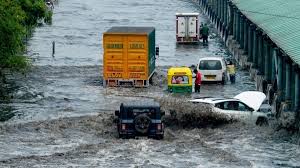
With the monsoon approaching, residents in Gurugram’s Sector 40 have raised concerns over non-functional rainwater harvesting systems and inadequate drainage infrastructure, warning of a heightened flood risk in the area. The issue underscores persistent vulnerabilities in urban water management, particularly in rapidly expanding neighbourhoods where infrastructure has struggled to keep pace with development.
Local complaints indicate that several rainwater harvesting units—intended to capture runoff and recharge groundwater—are currently defunct. At the same time, the absence of an effective stormwater drainage network has increased the likelihood of waterlogging during heavy rainfall. This dual failure not only limits water conservation efforts but also amplifies surface flooding risks. The situation reflects a broader pattern across Gurugram, where waterlogging has become a recurring seasonal challenge. Authorities have already identified over 150 flood-prone locations across the city, highlighting systemic gaps in drainage connectivity and maintenance. In many cases, fragmented infrastructure—constructed in phases by multiple agencies—fails to operate as an integrated system, leaving rainwater with no clear exit pathways. For Sector 40, the breakdown of rainwater harvesting infrastructure is particularly significant. These systems are designed to reduce pressure on drainage networks by absorbing excess water during rainfall events. When they fail, runoff accumulates on roads and open spaces, increasing the risk of urban flooding and associated disruptions.
The Gurugram flood risk is not limited to mobility challenges. Standing water can damage road surfaces, disrupt power supply, and create public health hazards, including the spread of vector-borne diseases. Previous instances in the same locality have shown how poorly maintained harvesting pits can turn into stagnant pools, compounding both environmental and health concerns. Urban planners argue that the issue points to a deeper governance challenge. While rainwater harvesting is mandated under building regulations, enforcement and long-term maintenance often remain weak. In many residential sectors, systems are installed to meet compliance requirements but are not regularly inspected or upgraded, leading to eventual failure. The Gurugram flood risk also highlights the need to rethink urban water strategies in the context of climate change. Increasingly erratic rainfall patterns—characterised by short, intense bursts—require cities to adopt resilient drainage and water retention systems. Without functional harvesting infrastructure and connected drainage networks, even moderate rainfall can overwhelm local systems.
Officials have initiated pre-monsoon inspections and desilting efforts across the city, but experts caution that such measures are often reactive. Sustainable solutions will require continuous monitoring, accountability mechanisms for residential societies, and integrated planning that connects rainwater harvesting with larger drainage networks. As Gurugram continues to expand as a major urban and economic hub, the challenge lies in ensuring that basic infrastructure evolves alongside growth. Addressing the immediate concerns in Sector 40 may offer short-term relief, but the larger task is building a city-wide system capable of managing water efficiently—both as a resource and as a risk—during increasingly unpredictable climate cycles.