A coordinated security drive in Jharkhand’s coal belt has brought renewed focus on theft and surveillance challenges in India’s mining-linked logistics network, with a flag march and awareness campaign conducted at a key railway siding in Dhanbad. The initiative, led by security forces and Bharat Coking Coal Limited (BCCL), highlights ongoing efforts to secure critical supply chains that underpin energy and infrastructure systems.
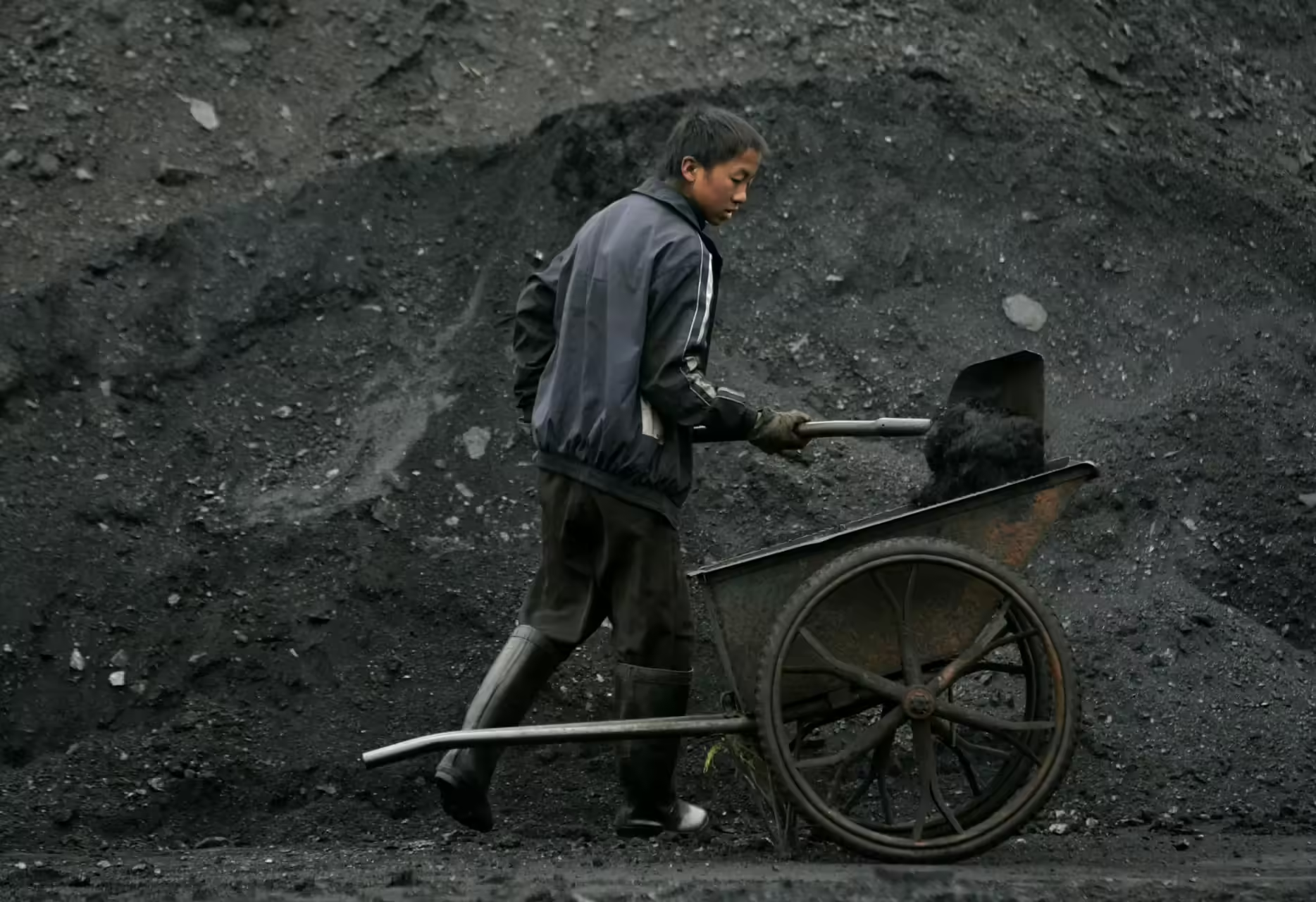
The operation was carried out at the Sijua siding, a strategic node within the Jharia coalfield region, where coal movement from mines to rail networks is concentrated. Officials involved in the exercise emphasised vigilance, coordination, and adherence to operational protocols, signalling an attempt to strengthen on-ground enforcement mechanisms. Coal transportation hubs such as Sijua have historically been vulnerable to pilferage and informal extraction networks. Industry observers note that theft often occurs at multiple points—from mine heads to transport routes and railway sidings—creating leakages in supply chains and affecting both revenue and operational efficiency. The flag march, conducted jointly by the Central Industrial Security Force (CISF) and departmental security teams, was designed not only as a deterrent but also as a public awareness measure. By engaging local communities and workers, authorities aimed to reinforce the importance of safeguarding national resources and discouraging unauthorised activities around mining zones. Security experts point out that coal theft in regions like Dhanbad is often linked to informal economies that emerge around mining operations. These networks can involve unauthorised extraction, transport, and resale, creating parallel supply chains that are difficult to regulate. Previous assessments have suggested that such activities can be curtailed through tighter surveillance, including the use of drones and stricter transport monitoring systems.
From an infrastructure perspective, the issue extends beyond law enforcement. Coal remains a critical input for India’s power generation and industrial sectors, which in turn support urban development and construction activity. Disruptions or inefficiencies in coal supply chains can have cascading effects on energy availability, project timelines, and overall economic productivity.Urban planners note that ensuring secure and efficient resource movement is essential for maintaining stable infrastructure growth. As cities expand and demand for electricity rises, the reliability of upstream supply systems—such as coal logistics—becomes increasingly important.The Sijua initiative also reflects a broader push toward strengthening governance in extractive industries. Authorities are placing greater emphasis on coordination between security agencies, mining companies, and local administration to address systemic challenges in high-risk zones.However, experts caution that enforcement measures alone may not be sufficient. Addressing the root causes of coal theft—such as economic dependence on informal mining and gaps in local employment—will require integrated policy responses that combine security with community engagement and livelihood alternatives.
As India continues to rely on coal for energy stability while transitioning toward cleaner sources, securing mining operations and logistics networks remains a critical priority. The latest security drive in Dhanbad underscores the need for sustained vigilance, technological intervention, and inclusive strategies to ensure that resource flows remain efficient, accountable, and aligned with long-term development goals.