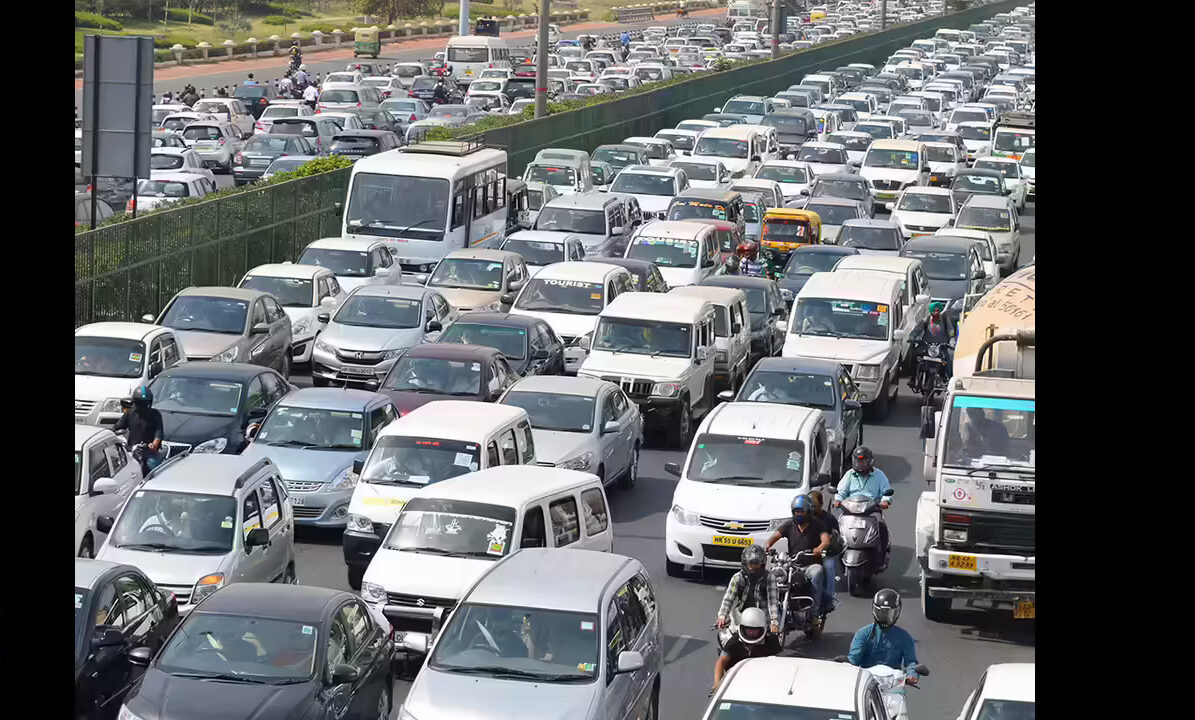
Pune has initiated a coordinated governance framework to address persistent infrastructure and mobility challenges, with civic authorities setting up a dedicated multi-agency platform to fast-track decision-making. The move is aimed at resolving long-standing bottlenecks in road development, traffic flow, and essential urban services, which have struggled under fragmented administrative processes.
The newly formed mechanism brings together municipal departments, law enforcement agencies, and state-linked utilities to streamline execution across key sectors. Officials say the Pune city transformation committee is designed to improve coordination on issues ranging from road construction and drainage to water supply and public space management, particularly in rapidly expanding urban zones. A major focus area is the completion of critical road links that have remained stalled due to land acquisition hurdles, encroachments, and pending approvals. Several key corridors across residential and commercial zones have been identified for intervention, with authorities pushing for time-bound resolutions. Urban planners note that these “missing links” significantly disrupt traffic distribution, forcing vehicles onto already congested routes and increasing travel time as well as emissions.
The Pune city transformation committee is also prioritising improvements in pedestrian infrastructure. Obstructions such as utility installations on footpaths have emerged as a major concern, limiting walkability and accessibility. Authorities have directed relevant agencies to redesign and relocate such structures, reflecting a broader push towards people-first urban planning. In parallel, the initiative is aligned with a larger roadmap to upgrade a set of high-priority roads across the city. These corridors are being developed with an emphasis on integrated planning, including traffic management measures, drainage systems, and surface quality improvements. The approach signals a shift from isolated project execution to corridor-based development, which experts say is essential for building resilient urban infrastructure.
The integration of digital tools is another component of the strategy. Civic authorities are working to link multiple citizen-facing applications with traffic management systems, enabling better data sharing and quicker response to complaints. This could improve real-time monitoring of road conditions and traffic patterns, enhancing operational efficiency. Ahead of the monsoon, the administration has also identified vulnerable zones prone to waterlogging, with mitigation work being prioritised to reduce seasonal disruptions. At the same time, efforts are underway to streamline approvals for excavation and infrastructure works, which often face delays due to inter-departmental dependencies.
Experts highlight that while the Pune city transformation committee represents a positive step towards coordinated governance, its effectiveness will depend on consistent execution and accountability. Multi-agency platforms often face challenges in aligning priorities and timelines, particularly in complex urban environments. As Pune continues to expand, balancing infrastructure growth with sustainability and liveability will remain a central challenge. The success of this initiative could offer a model for other cities grappling with similar coordination gaps, provided it delivers measurable improvements in mobility, service delivery, and urban resilience over the coming months.
Pune Civic Body Forms Panel To Tackle Roads And Traffic Issues