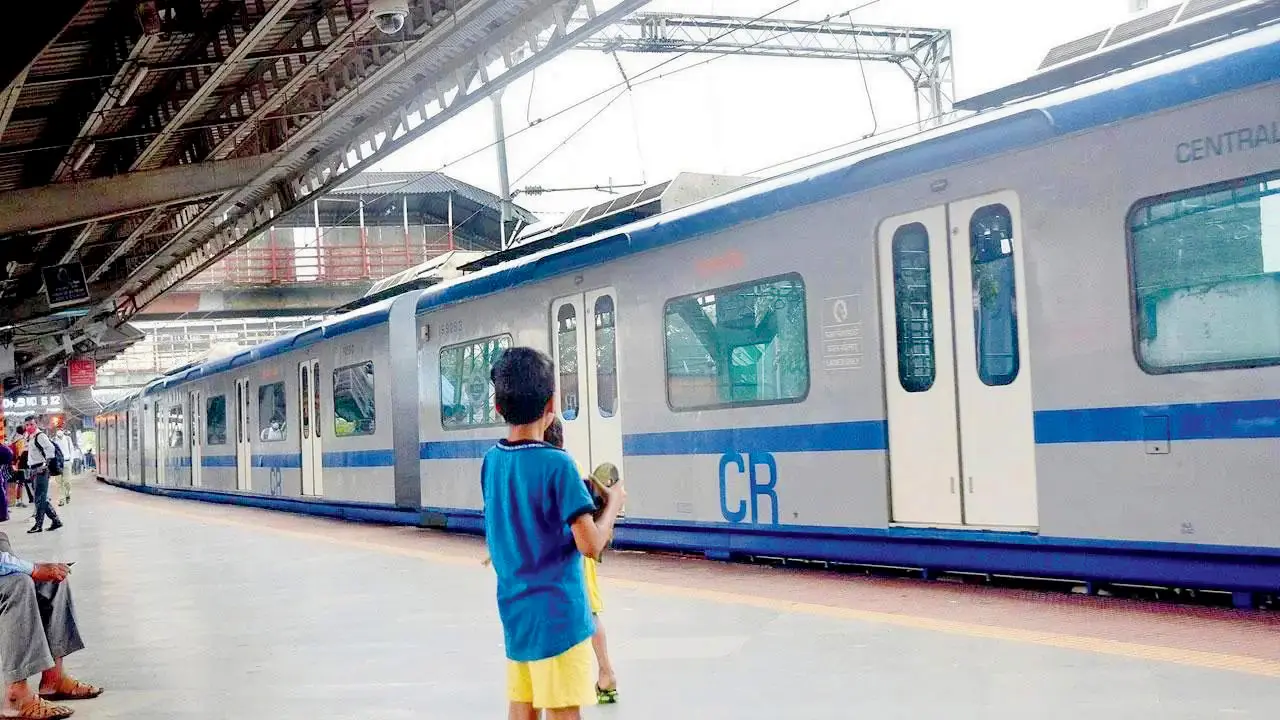
Mumbai’s suburban rail network witnessed a temporary operational shift on the Harbour Line, with select air-conditioned local services running as conventional non-AC trains, highlighting ongoing challenges in managing high-capacity urban transit systems. The change affected multiple services connecting key nodes such as south Mumbai, Navi Mumbai, and intermediate suburban stations, impacting daily commuters reliant on premium travel options.
Railway officials indicated that a limited number of AC services were modified for the day, though no official explanation was provided for the adjustment. The move comes amid persistent operational constraints on the Harbour Line, one of the most heavily used corridors in the Mumbai Suburban Railway network. The Mumbai Harbour line AC trains have faced recurring issues linked to dwell times and system reliability. Unlike conventional local trains, AC rakes are equipped with automatic door mechanisms that require full closure before departure. In high-density stations, where passenger boarding is often rushed and unregulated, delays in door closure can significantly extend stoppage times, disrupting schedules across the line.
Urban mobility experts note that the introduction of AC services, while aimed at improving commuter comfort, has added complexity to operations in an already saturated network. The Mumbai Harbour line AC trains operate in mixed traffic conditions alongside non-AC services, making timetable adherence more sensitive to even minor delays. The corridor also continues to face infrastructure-related disruptions. Recent technical faults, including overhead equipment issues, have periodically halted services, exposing vulnerabilities in maintenance and resilience planning. Such incidents not only affect immediate travel but also have cascading impacts on service frequency and reliability.
From a commuter perspective, the temporary shift to non-AC services underscores the gap between rising demand for comfortable transit and the system’s ability to consistently deliver it. The Harbour Line connects dense residential clusters with employment hubs, and any variation in service quality can influence commuter choices and travel patterns. Transport planners suggest that addressing these challenges will require a combination of operational and behavioural interventions. Improved crowd management at stations, better passenger awareness regarding boarding practices, and upgrades to signalling and rolling stock systems could help reduce delays. At the same time, increasing service frequency and expanding dedicated corridors for AC trains may enhance efficiency.
The situation also reflects a broader urban mobility challenge in Mumbai, where demand for public transport continues to outpace capacity enhancements. Ensuring reliable, comfortable, and sustainable transit options remains critical to reducing dependence on private vehicles and managing congestion across the metropolitan region. As authorities assess the reasons behind the temporary service changes, the focus is likely to remain on stabilising operations and improving commuter experience. The performance of the Mumbai Harbour line AC trains will be a key indicator of how effectively the city can integrate modern transit features into its legacy rail infrastructure.
Mumbai Travel Alert AC Local Services Turn Non AC On Harbour Line