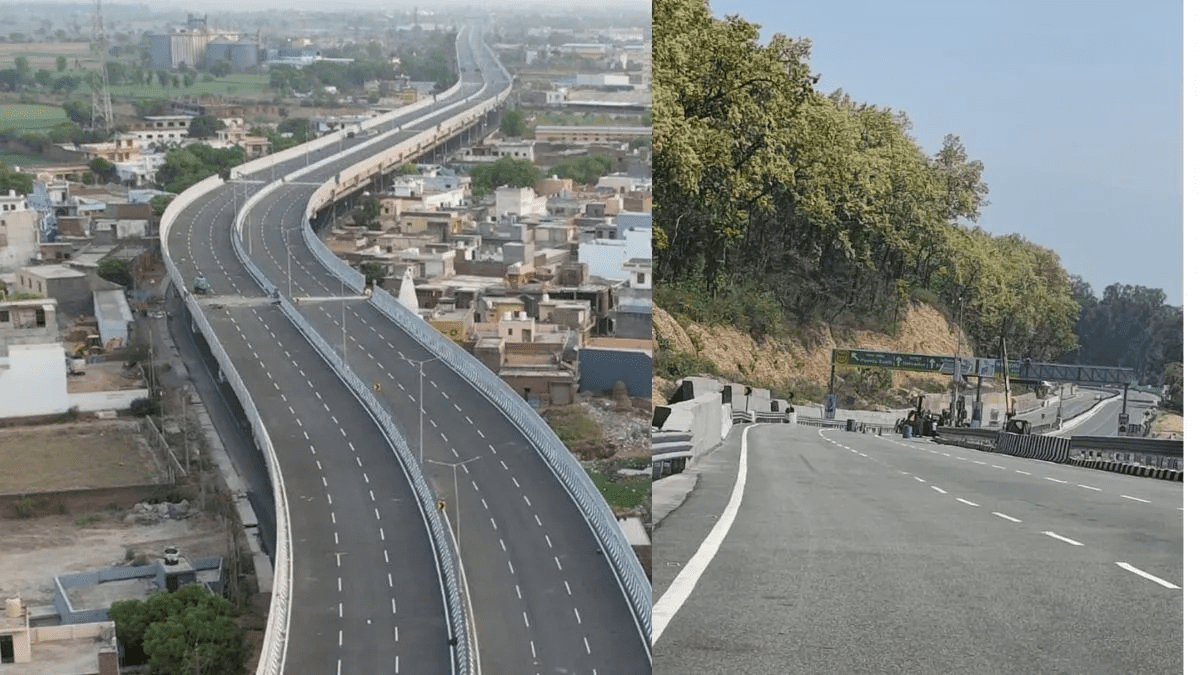
Delhi Region Sees Real Estate Boost From Expressway
The newly operational Delhi–Dehradun expressway is beginning to reshape real estate dynamics across the National Capital Region and adjoining states, with early assessments pointing to a significant uptick in property demand and pricing. The corridor, designed to compress travel time between the capital and Uttarakhand’s gateway city, is emerging as a catalyst for both residential and industrial expansion—raising critical questions around sustainable urban growth and land use planning. Urban planners tracking the Delhi Dehradun Expressway impact say improved connectivity is already influencing buyer sentiment in peripheral markets. Areas such as Ghaziabad, Loni, Muzaffarnagar and Saharanpur are witnessing increased developer interest, driven by their proximity to the high-speed corridor. These locations, traditionally considered secondary markets, are now being positioned as viable alternatives to saturated urban centres, particularly for affordable and mid-income housing.
The travel time reduction—from several hours to under three—has altered commuting feasibility, allowing households to consider living farther from core employment hubs. This shift is expected to redistribute housing demand, potentially easing pressure on central Delhi while accelerating urbanisation along the corridor. However, experts caution that without coordinated planning, such growth could replicate the challenges seen in earlier expressway-led expansions, including unregulated sprawl and infrastructure strain. The Delhi Dehradun Expressway impact is also being felt in tourism-linked real estate. Destinations such as Dehradun, Rishikesh and Mussoorie are likely to see heightened demand for second homes and short-term rental properties. Industry observers note that improved weekend accessibility often triggers speculative investments, which can drive up land values but may not always align with long-term housing needs of local communities. Beyond housing, the corridor is expected to strengthen logistics and warehousing networks across western Uttar Pradesh. Faster freight movement can reduce transportation costs and improve supply chain efficiency, encouraging industrial clusters to emerge near key nodes.
This could generate employment and diversify regional economies, particularly in tier-2 and tier-3 cities that have historically lagged behind metropolitan centres. Yet, the pace of price appreciation—estimated by market analysts to rise between 15% and 25% over the next two years—raises concerns about affordability and equitable access. Urban development experts emphasise the need for regulatory oversight to ensure that infrastructure-led growth does not disproportionately benefit speculative investments at the cost of inclusive housing. Environmental considerations are equally critical. Large-scale infrastructure projects often alter land use patterns, increase construction activity and put pressure on natural ecosystems. Integrating green buffers, transit-oriented development, and water-sensitive planning will be essential to balance growth with ecological resilience.
As the corridor begins to influence settlement patterns, the long-term success of this transformation will depend on how effectively authorities align real estate expansion with infrastructure capacity, environmental safeguards, and citizen-centric planning frameworks.