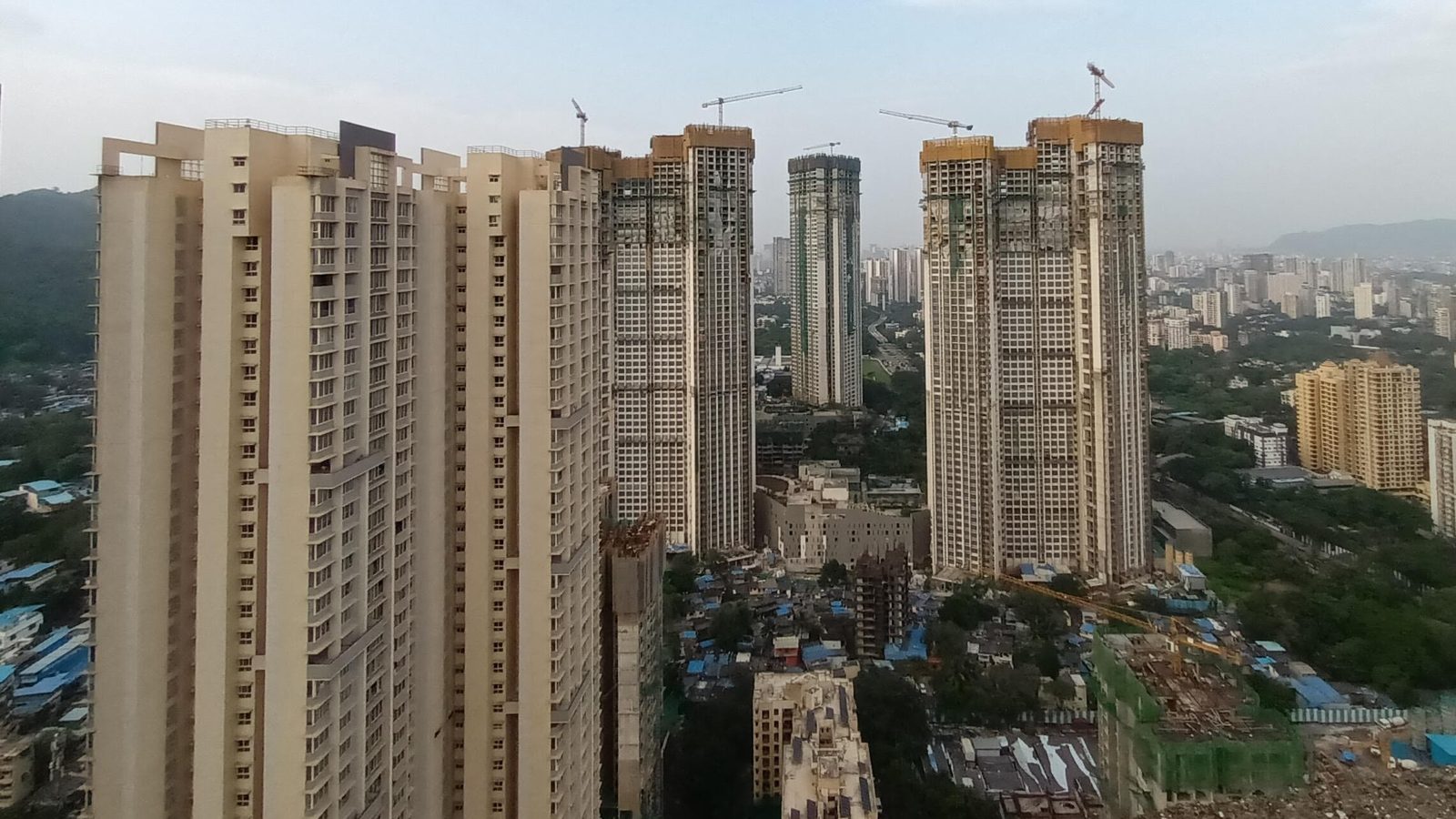
Mumbai Real Estate Redevelopment Shifts Toward Execution Focus
Mumbai’s redevelopment-driven housing market is increasingly being shaped not by new project announcements but by the ability of developers to complete and hand over homes on time. As land scarcity pushes the city toward rebuilding existing neighbourhoods, execution discipline is emerging as a defining factor in the evolving Mumbai redevelopment projects landscape.
Across central and western suburbs, several mid-sized developers have expanded portfolios in high-density micro-markets such as Bandra, Kurla, Chembur and Jogeshwari. These areas, characterised by ageing housing stock and complex ownership patterns, require not just capital but sustained coordination with residents, regulatory bodies and contractors. Industry observers note that while project launches remain frequent, consistent delivery remains uneven across the sector.Recent data from property registration trends suggests that certain developers have managed to gain market share in micro-markets like Kurla by maintaining a steady pipeline of completed units. Analysts say that in redevelopment-heavy zones, buyers increasingly track occupation certificates and possession timelines rather than marketing claims. This shift is gradually influencing how Mumbai redevelopment projects are evaluated by both homebuyers and channel partners.
Urban planners point out that redevelopment carries broader civic implications. Timely completion of projects reduces prolonged displacement of residents, limits construction-related pollution, and improves utilisation of existing infrastructure. Delays, on the other hand, often strain rental markets and disrupt local economies. In a city already grappling with congestion and climate vulnerability, efficient project cycles are seen as critical to maintaining liveability.There is also a growing trend of developers diversifying into commercial spaces, co-living formats and hospitality projects near business hubs such as Bandra Kurla Complex. Experts suggest that while this diversification reflects demand from a mobile workforce, it also raises questions about infrastructure readiness, including transport connectivity, water supply and energy efficiency. Integrating sustainability features such as energy-efficient design, reduced construction waste and climate-resilient materials remains inconsistent across projects.Financial structuring is another differentiator. Firms operating with lower debt exposure appear better positioned to manage approval delays and cost fluctuations, enabling more predictable construction timelines.
However, sector-wide challenges persist, including regulatory bottlenecks, rising input costs and labour shortages, all of which continue to impact delivery schedules.From a citizen’s perspective, the stakes extend beyond individual homeownership. Redevelopment determines access to safer housing, better amenities and improved urban form. Yet concerns around affordability, tenant rehabilitation and equitable access to upgraded infrastructure remain central to the debate.As Mumbai continues its transition toward vertical redevelopment, experts argue that the next phase of growth must align execution efficiency with sustainability and inclusivity. The long-term success of Mumbai redevelopment projects will depend not only on how quickly buildings rise, but on how well they serve residents, reduce environmental impact and integrate into the city’s strained urban systems.