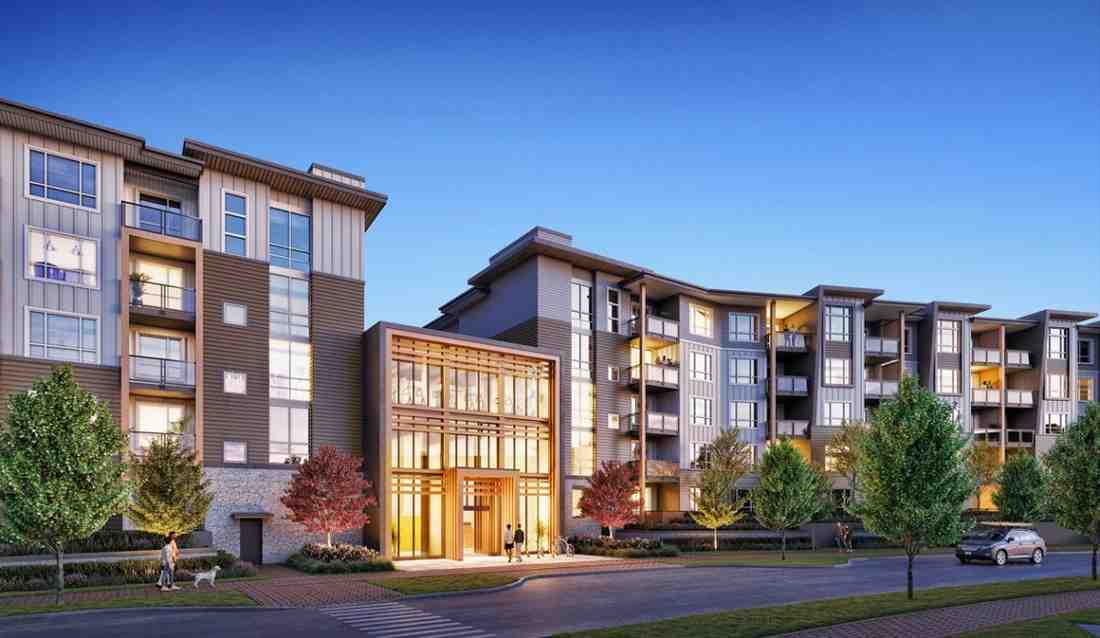
Ghaziabad’s housing landscape is undergoing a structural shift, with rising demand for premium homes signalling a departure from its long-standing identity as an affordable extension of the National Capital Region (NCR). This transition reflects changing buyer expectations, improved regional connectivity, and evolving urban planning priorities, positioning the city as an emerging node for aspirational living within NCR.
Recent market assessments indicate that residential values across NCR have seen notable appreciation over the past year, with Ghaziabad witnessing a parallel rise in higher-value transactions. What was once a price-sensitive market is now accommodating homes in significantly higher price brackets, suggesting a broader recalibration of demand towards lifestyle-oriented housing.Urban planners attribute this change largely to infrastructure-led transformation. Enhanced connectivity through expressways, widened highways, and expanding rail-based transit systems has reduced travel friction between Ghaziabad and key employment centres such as Noida and East Delhi. The upcoming rapid rail corridor is expected to further compress commute times, effectively integrating Ghaziabad more closely into the NCR’s economic geography. This has altered both physical accessibility and buyer perception, making the city more viable for higher-income households.
Alongside infrastructure, the emergence of planned residential clusters has contributed to this evolution. Localities characterised by organised layouts, lower density, and provision for open spaces are gaining traction among homebuyers seeking improved liveability. Unlike older, congested urban pockets, these newer developments are being designed with amenities that prioritise community interaction, green cover, and efficient land use key considerations in climate-sensitive urban growth.The Ghaziabad housing market is also witnessing diversification in its buyer base. Industry observers note an influx of upwardly mobile professionals, intra-city upgraders, and households priced out of more saturated NCR markets. For these buyers, value is increasingly defined not just by cost but by a combination of space, connectivity, and quality of life. This trend is reshaping demand patterns, pushing developers to reorient offerings towards mid-to-premium segments.
However, the shift raises important questions about long-term sustainability and inclusivity. As land values rise and premium projects expand, ensuring balanced development remains critical. Experts caution that infrastructure gains must be matched with investments in public services, environmental safeguards, and affordable housing to prevent uneven urban growth. The Ghaziabad housing market, while evolving, must navigate the challenge of accommodating both aspirational and economically diverse populations. Looking ahead, the city’s trajectory will likely depend on how effectively it integrates infrastructure expansion with responsible planning. If managed well, Ghaziabad could emerge as a model for peripheral urban centres transitioning into self-sustaining, liveable environments. The current phase marks not just a real estate shift, but a broader redefinition of how emerging cities within NCR are planned, perceived, and experienced.