


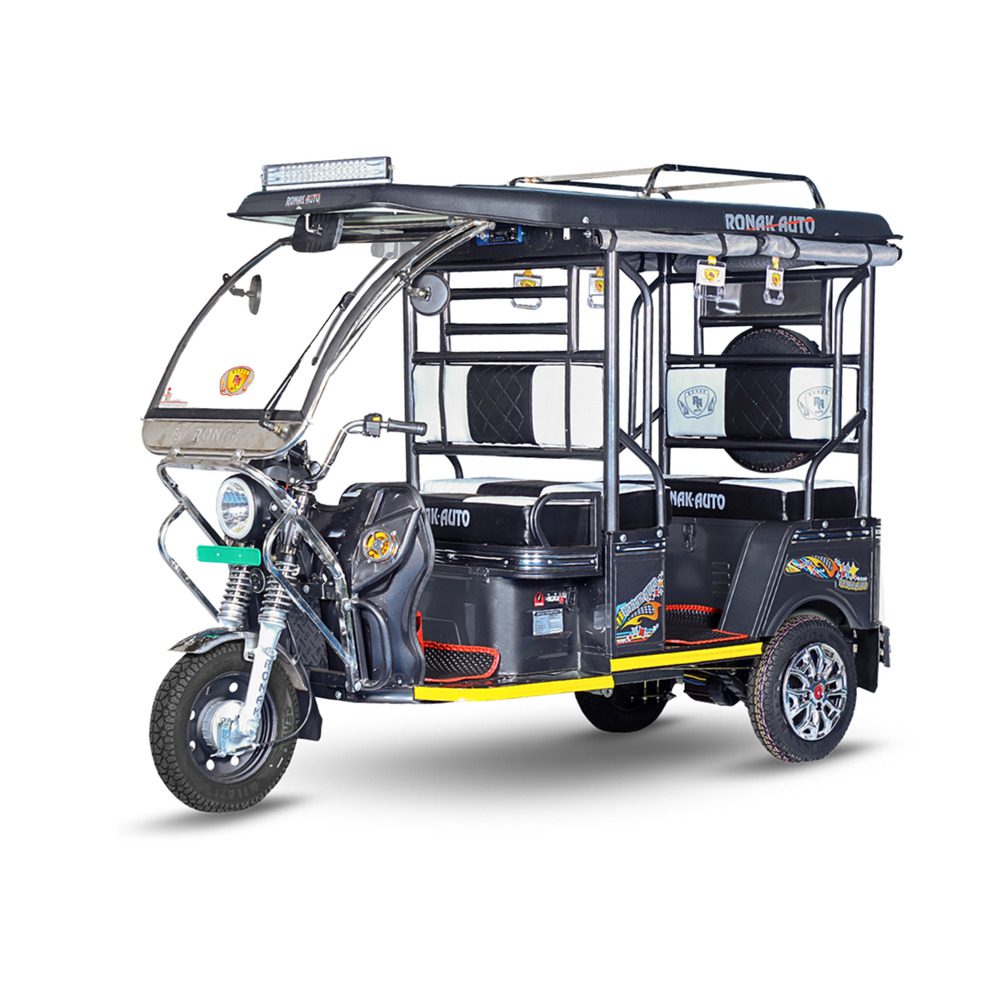
A growing number of auto-rickshaw drivers in Bengaluru are showing interest in switching from LPG and CNG-powered vehicles to electric alternatives, signalling a gradual shift in the city’s last-mile mobility ecosystem.
The trend reflects both economic and environmental considerations, as operators seek to reduce fuel costs while adapting to evolving urban transport policies.The transition is being driven by rising operational expenses associated with conventional fuels, alongside increasing awareness of electric vehicle (EV) benefits.Lower running costs, reduced maintenance requirements, and supportive policy measures are making EVs a more viable option for drivers navigating the city’s congested streets.The rise in Bengaluru electric auto adoption highlights a critical inflection point in urban mobility. Auto-rickshaws play a key role in last-mile connectivity, linking commuters to public transport networks such as metro and bus systems. Electrifying this segment can significantly reduce emissions and improve air quality in densely populated areas.Industry experts note that the shift is also influenced by financing options and incentives that lower the upfront cost of electric vehicles.While initial investment remains a barrier for some drivers, access to loans, subsidies, and leasing models is gradually improving affordability. This is encouraging more operators to consider transitioning.The momentum behind Bengaluru electric auto adoption aligns with broader sustainability goals.
Cities across India are prioritising clean mobility solutions to address pollution and climate challenges.Transitioning three-wheelers to electric power is seen as a high-impact strategy due to their widespread usage and relatively lower energy requirements.However, challenges remain.Charging infrastructure is still developing, and concerns about battery range and charging time can affect adoption rates.Ensuring adequate and accessible charging stations across the city will be essential to support large-scale transition.From an urban planning perspective, the shift towards electric autos has implications for energy demand and infrastructure. Integrating charging networks with existing transport systems and ensuring reliable power supply will be key to sustaining growth in this segment.There are also socio-economic considerations. Auto drivers, many of whom operate in the informal sector, require targeted support to manage the transition. Training programmes, financial assistance, and awareness campaigns can help ensure that the benefits of electrification are widely accessible.The environmental benefits of increased EV adoption are significant. Reduced tailpipe emissions can improve air quality, contributing to healthier urban environments. Over time, this can also lower the city’s carbon footprint, supporting climate resilience efforts.
As Bengaluru moves towards cleaner mobility, the willingness of auto drivers to adopt electric vehicles represents an important step.The pace of this transition will depend on how effectively policy, infrastructure, and financial support systems align to create a conducive ecosystem.In the long term, the electrification of last-mile transport could play a pivotal role in shaping a more sustainable, efficient, and inclusive urban mobility framework for the city.
Also Read:Bengaluru Auto Industry Growth Gains Corporate Expansion

