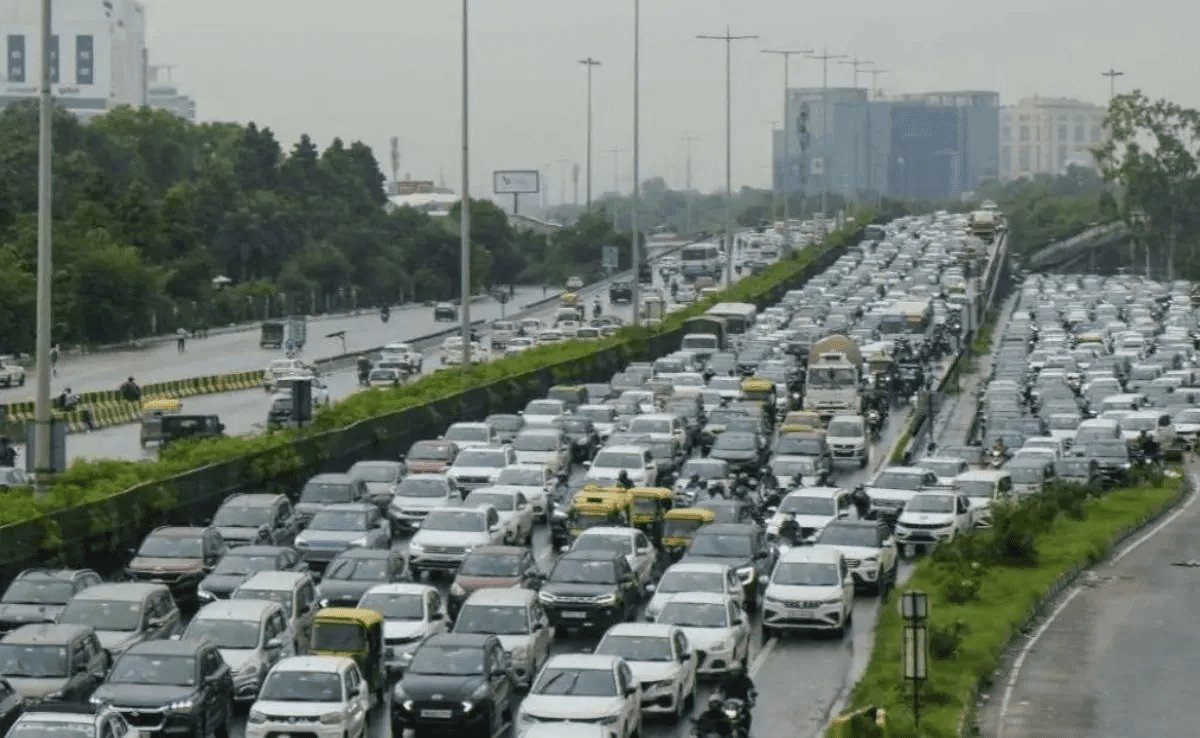
Jaipur is preparing to deploy an artificial intelligence-driven traffic command centre aimed at improving road efficiency, safety, and commuter experience across the city, signalling a broader shift toward data-led urban mobility management. The proposed system, expected to become operational in 2026, reflects growing pressure on rapidly expanding cities to manage congestion while balancing environmental and public safety concerns. Urban authorities are planning to integrate real-time data analytics with traffic signals, surveillance infrastructure, and enforcement systems. The initiative seeks to reduce travel delays, improve emergency response times, and enhance overall traffic discipline in one of India’s busiest tourism and heritage centres. For a city that sees significant seasonal influxes of visitors, the move is also expected to reshape how mobility supports economic activity.
Officials familiar with the plan indicate that the AI Traffic Command Centre will rely on continuous data collection from road networks, enabling adaptive traffic signal control and predictive congestion management. This approach marks a departure from static traffic systems, allowing authorities to dynamically adjust flows based on live conditions. Urban planners note that such systems can significantly cut idle time at intersections, which in turn reduces fuel consumption and emissions. The project also includes provisions for automated enforcement through technologies such as number plate recognition and integrated monitoring systems. By digitising enforcement, authorities aim to improve compliance without expanding manual policing. Experts say this could help cities transition toward more transparent and accountable traffic governance frameworks, while also addressing long-standing issues of road safety. From a sustainability perspective, the AI Traffic Command Centre is positioned as a critical tool in reducing vehicular pollution. Traffic congestion is a major contributor to urban emissions, and smoother vehicle movement can directly lower particulate pollution levels.
Environmental analysts suggest that when combined with public transport improvements, such systems can support broader climate resilience strategies in growing urban centres. However, challenges remain around implementation, including data privacy, infrastructure costs, and inter-agency coordination. Urban mobility specialists caution that technology alone cannot resolve congestion unless supported by complementary measures such as improved public transport, pedestrian infrastructure, and land-use planning. The initiative also highlights a wider trend of Indian cities adopting smart mobility solutions as part of economic and tourism strategies. For Jaipur, where heritage preservation and modern infrastructure must coexist, the success of the AI Traffic Command Centre will depend on its ability to balance efficiency with inclusivity and accessibility.
As the city moves toward deployment, the focus will likely shift to execution, integration with existing systems, and measurable outcomes. If implemented effectively, the project could offer a scalable model for mid-sized cities seeking to modernise transport networks while advancing low-carbon and citizen-centric urban development.