Surat Metro Trial Run Signals Urban Mobility Shift
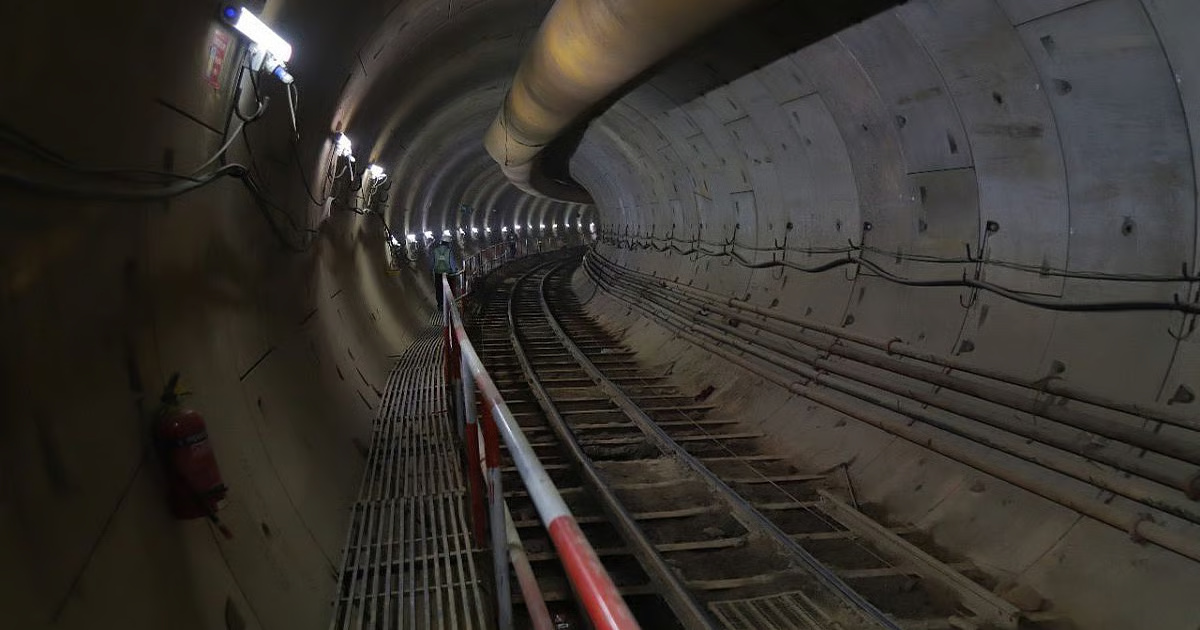
Delhi’s rapid transit network is entering a crucial phase of growth as authorities accelerate work on multiple new rail corridors intended to reshape urban mobility across the capital. The ongoing Delhi Metro expansion programme is expected to add more than 100 kilometres of new lines and dozens of stations, strengthening connectivity across residential districts, commercial hubs and transport gateways. Urban transport officials say three key corridors currently under construction are targeted for completion by the end of 2026. These routes are expected to link western, northern and southern parts of the city while improving access to major transit interchanges and airport infrastructure.
Transport planners note that expanding the metro network remains central to Delhi’s strategy for reducing congestion on surface roads. With millions of daily commuters relying on buses, cars and two-wheelers, the Delhi Metro expansion is being positioned as a long-term solution for managing the capital’s growing mobility demand. The city’s metro system already ranks among the world’s largest urban rail networks. Current operational infrastructure extends across more than 400 kilometres of track and includes over 300 stations connected by multiple corridors. These lines serve dense residential neighbourhoods as well as major employment centres, helping shorten travel times across the metropolitan region. Construction work underway as part of the Delhi Metro expansion will introduce more than 80 additional stations across new and extended routes. Officials say these corridors will connect underserved areas to the broader network, allowing commuters to move across the city without relying heavily on road transport. Urban development experts point out that metro expansion can also influence land-use patterns.
Improved rail connectivity often stimulates residential and commercial development around station areas, creating transit-oriented neighbourhoods where housing, retail and workplaces are located within walking distance of mass transit. Alongside network growth, authorities are also modernising older train fleets that have been operating since the early years of the system. Refurbishment programmes are introducing updated passenger information displays, onboard surveillance systems and enhanced fire detection equipment. Charging points and digital route maps are also being installed to align trains with evolving commuter expectations. Infrastructure analysts say these upgrades reflect a broader effort to keep existing assets operational while the network continues to expand. Maintaining reliability is considered essential for encouraging commuters to shift from private vehicles to public transport. Future phases of the Delhi Metro expansion extend beyond the current construction cycle. Additional corridors linking key city zones and neighbouring urban centres are being evaluated under longer-term development plans expected to unfold later in the decade.
For a metropolitan region facing mounting challenges from traffic congestion, air pollution and rapid population growth, expanding high-capacity public transport remains a cornerstone of sustainable urban planning. If completed within the projected timelines, the next generation of metro corridors could significantly reshape commuting patterns while supporting a cleaner and more efficient mobility ecosystem across the capital.