


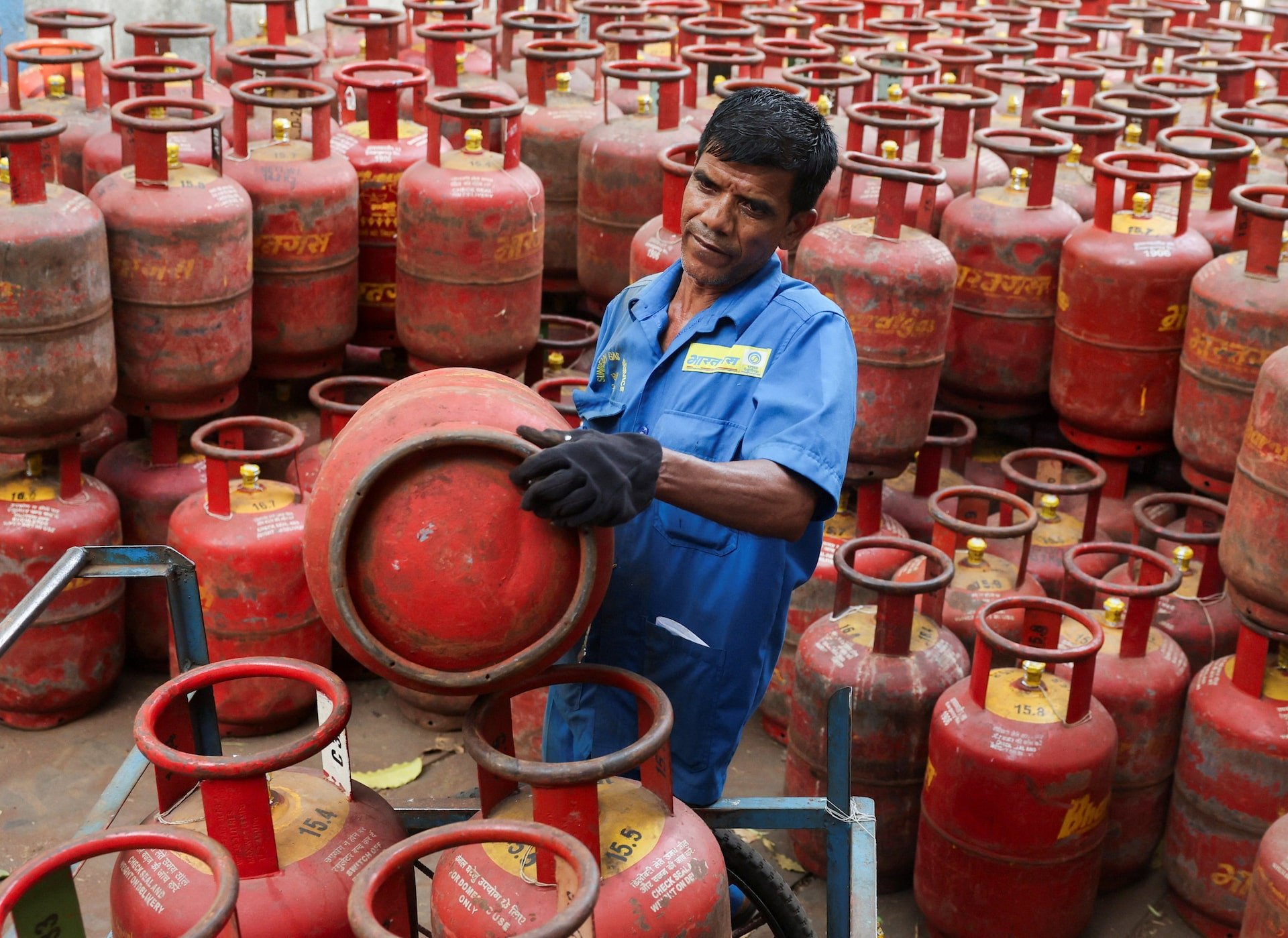
Festive dining costs in Bengaluru have risen sharply this season as restaurants grapple with higher fuel expenses, reflecting the growing impact of energy price volatility on urban consumption.
The increase in Bengaluru Vishu feast prices highlights how disruptions in LPG supply and pricing are translating into higher costs for both businesses and consumers during culturally significant occasions.Restaurants and caterers across the city report that cooking fuel forms a critical component of their operational expenses, particularly during festival periods when demand for traditional meals surges. With LPG costs rising and supply inconsistencies affecting procurement, many establishments have been compelled to revise pricing to maintain viability. This has resulted in noticeably higher charges for festive menus compared to previous years.The escalation in Bengaluru Vishu feast prices underscores the interconnected nature of energy and food systems in urban economies.Fuel cost fluctuations directly affect food preparation expenses, which in turn influence menu pricing and overall affordability. For consumers, especially middle-income households, the increase adds to existing cost-of-living pressures, potentially altering spending patterns during festivals.Small and medium-sized food businesses are particularly vulnerable to such shocks.Operating on tight margins, these establishments often have limited capacity to absorb rising input costs. As a result, they are more likely to pass on the burden to customers or scale down offerings, affecting both revenue and customer experience.
Larger establishments, while better equipped to manage costs, are also adjusting pricing strategies to protect profitability.From an economic standpoint, the situation reflects broader inflationary pressures within urban service sectors. Rising energy costs can have cascading effects across industries, contributing to overall price increases and influencing consumption behaviour. In a city like Bengaluru, where dining out is an integral part of urban lifestyle, such changes can have a noticeable impact on the hospitality sector.The development also raises questions about the resilience of urban food systems.Diversifying energy sources, improving energy efficiency in commercial kitchens, and exploring alternative fuels are being considered as potential strategies to reduce dependence on LPG. However, these transitions require investment and supportive policy frameworks, particularly for smaller operators.Sustainability considerations further reinforce the need for change. Reducing reliance on conventional fuels and adopting cleaner energy solutions can help mitigate both cost volatility and environmental impact.Integrating such practices into the hospitality sector aligns with broader goals of building more sustainable urban economies.
As Bengaluru navigates the current festive season, the rise in Bengaluru Vishu feast prices serves as a reminder of the broader challenges facing urban consumption systems. Addressing these issues will require coordinated efforts across energy, food, and policy domains to ensure that cultural traditions remain accessible while supporting business sustainability and economic stability.
Also Read:Bengaluru Hospitality Sector Expands Experiential Dining Trends
