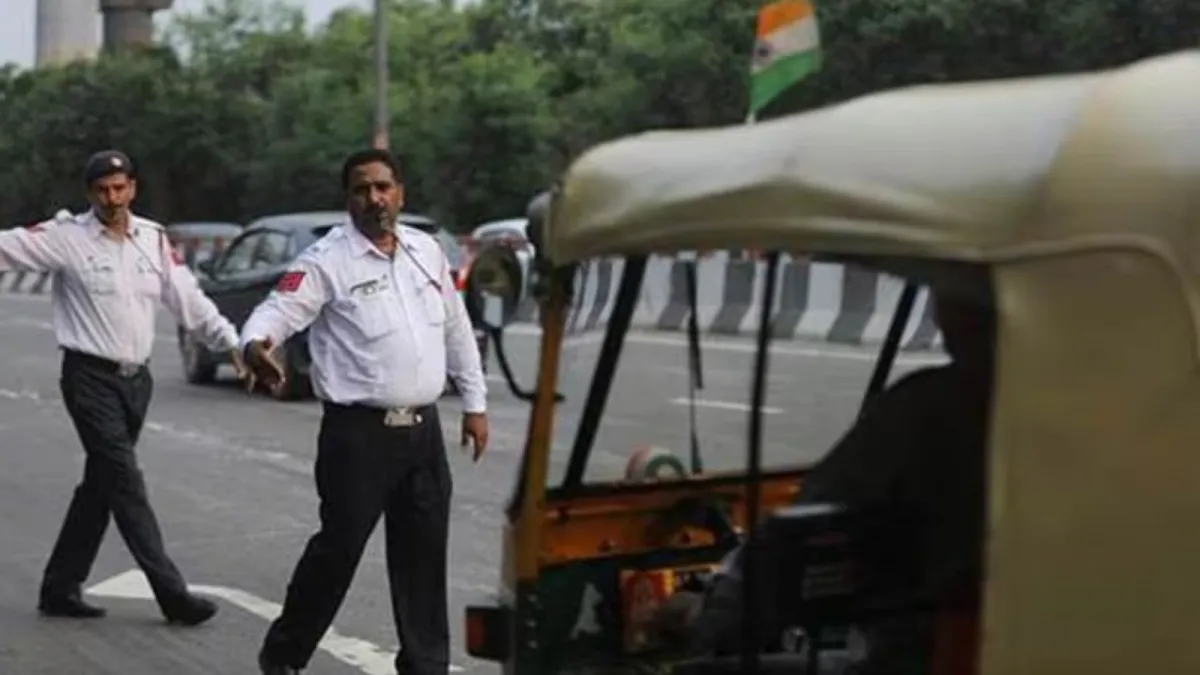
A rapid escalation in traffic violations across Gurugram is raising fresh concerns about road safety, enforcement strategies, and the sustainability of urban mobility systems in one of India’s fastest-growing corporate hubs. Latest administrative data indicates that nearly half of all penalties issued in 2025 were linked to high-risk driving behaviours such as speeding, wrong-side driving, improper parking, and abrupt lane changes highlighting a structural shift in how road discipline is evolving in the city.
The rise in Gurugram traffic violations reflects not just behavioural patterns but also the increasing role of technology in monitoring urban roads. Authorities have expanded the use of automatic number plate recognition systems connected to a centralised command network, enabling real-time tracking across key intersections and expressway corridors. Officials suggest that this digital oversight has significantly improved detection rates, which partly explains the surge in recorded offences over the past three years. However, urban planners point out that enforcement alone cannot address deeper systemic challenges. Gurugram’s road network has expanded rapidly alongside real estate and commercial growth, often without proportional investments in pedestrian infrastructure, traffic calming measures, or public transport alternatives. This imbalance tends to encourage unsafe driving practices, particularly in areas where mixed land use leads to high congestion and unpredictable traffic flows.
Data trends also show that while some violations such as disregard for road signage have declined, more dangerous behaviours linked to speed and lane discipline have intensified. Experts interpret this as a sign that drivers are adapting selectively to enforcement, complying with easily monitored rules while continuing riskier practices that contribute more directly to accidents and fatalities. The implications extend beyond enforcement statistics. Road safety studies have consistently linked speeding and reckless manoeuvres to a significant share of fatal crashes in the region. In a city aiming to position itself as a global business destination, rising Gurugram traffic violations could affect not only public safety but also economic productivity, insurance costs, and investor confidence in urban governance.
There are also environmental dimensions to consider. Erratic driving patterns frequent braking, acceleration, and congestion caused by wrong-side driving can increase vehicular emissions, undermining broader climate resilience goals. Sustainable mobility experts argue that safer driving behaviour must be integrated into wider policies promoting cleaner transport, including improved public transit, non-motorised mobility infrastructure, and better urban design. Officials indicate that location-specific audits and targeted interventions are being planned to address accident-prone zones. These may include redesigning junctions, strengthening speed management systems, and expanding awareness campaigns. Yet, the long-term solution will likely depend on aligning enforcement with infrastructure planning and citizen behaviour. As Gurugram continues to grow, its traffic patterns offer a critical lens into how Indian cities balance rapid urbanisation with safety, sustainability, and liveability an equation that remains far from resolved.