


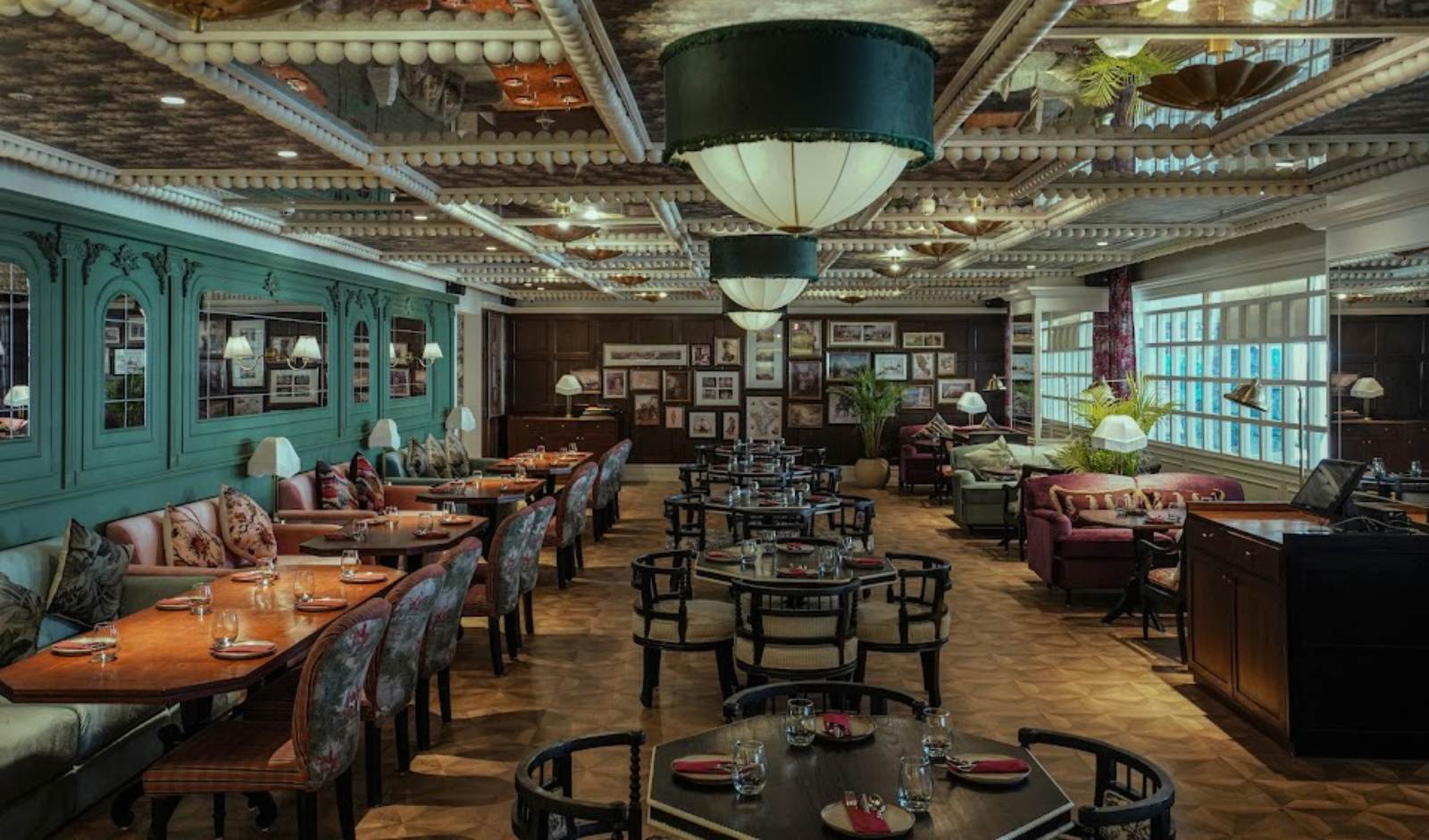
Bengaluru’s hospitality sector is increasingly leaning into curated culinary experiences as luxury hotels expand their offerings to cater to evolving urban consumer preferences.
The latest dining initiative at a prominent city hotel reflects a broader shift towards experiential gastronomy, where food is positioned not just as a service but as a cultural and lifestyle engagement within the urban economy.The move highlights how Bengaluru’s hospitality industry is adapting to a clientele that values global cuisine, authenticity, and immersive dining formats. As the city continues to grow as a business and technology hub, demand for premium hospitality experiences has risen, driven by both corporate travellers and an affluent local population seeking diverse culinary options.Industry experts note that experiential dining has become a key differentiator in a competitive hospitality market. Hotels are increasingly investing in themed menus, limited-time culinary showcases, and chef-led experiences to attract and retain customers.These initiatives often draw on international food traditions while adapting to local tastes, creating a fusion that resonates with Bengaluru’s cosmopolitan demographic.From an economic perspective, such developments contribute to the growth of the city’s service sector. High-end dining experiences generate employment across hospitality roles, from culinary professionals to service staff, while also supporting supply chains linked to premium ingredients and specialised equipment.
This reinforces the role of the hospitality industry as a significant contributor to urban economic activity.The trend also reflects changing consumption patterns, where urban residents are allocating a larger share of discretionary spending towards experiences rather than goods.Dining, in this context, becomes part of a broader lifestyle choice, influencing how urban spaces are designed and utilised. Restaurants and hotel dining venues are increasingly being integrated into mixed-use developments, enhancing their accessibility and appeal.Sustainability considerations are gradually becoming part of this evolution.There is a growing emphasis on sourcing high-quality ingredients responsibly, reducing food waste, and incorporating energy-efficient kitchen practices. As cities like Bengaluru move towards more sustainable development models, the hospitality sector is expected to align with these priorities.Urban planners highlight that the rise of experiential dining also contributes to the cultural vibrancy of cities. By introducing diverse cuisines and culinary traditions, such initiatives enhance the cultural fabric of urban environments, making them more attractive to residents and visitors alike.
As Bengaluru’s hospitality landscape continues to evolve, the focus is likely to remain on innovation and differentiation. The expansion of experiential dining offerings signals a shift towards more sophisticated and experience-driven urban consumption, reflecting the city’s transformation into a dynamic and globally connected metropolitan centre.
Also Read:Bengaluru Groundwater Depletion Worsens Urban Water Crisis
