


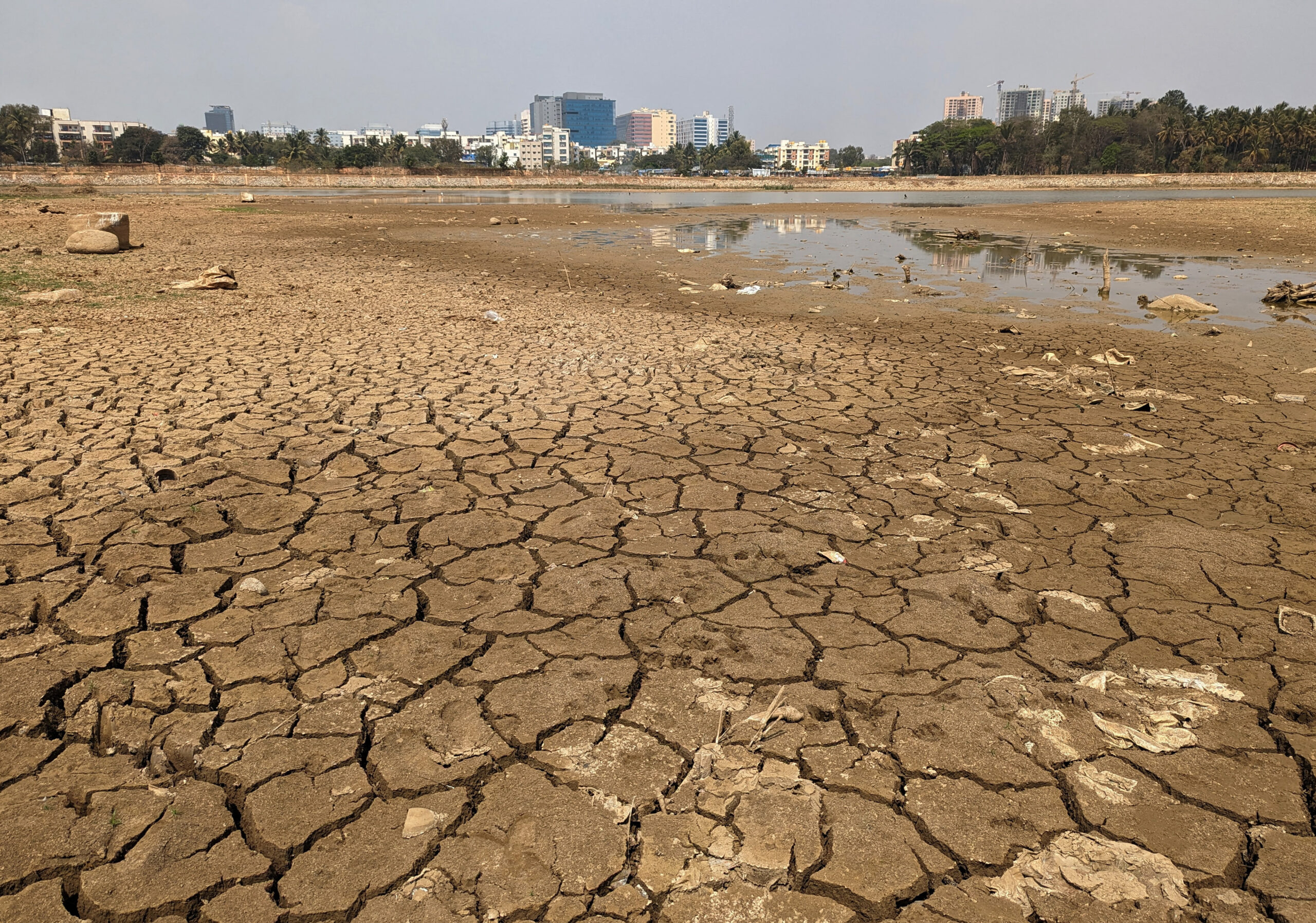
Bengaluru is facing intensifying water stress as groundwater levels in several southern localities decline sharply, exposing structural weaknesses in the city’s water management systems.
The growing Bengaluru groundwater depletion crisis is leaving many neighbourhoods increasingly dependent on tanker supply, highlighting the widening gap between urban demand and sustainable water availability.The drop in groundwater levels has been attributed to a combination of excessive extraction, limited recharge, and changing rainfall patterns. Rapid urbanisation in Bengaluru’s southern zones has led to the conversion of permeable land into built-up areas, reducing the natural capacity for groundwater replenishment. As a result, borewells that once served as reliable water sources are now yielding significantly less, forcing residents and housing communities to seek alternative arrangements.The Bengaluru groundwater depletion issue is particularly acute in areas where piped water infrastructure remains limited or inconsistent.In such locations, dependence on private water tankers has surged, increasing household expenditure and creating inequities in access. Urban economists note that rising water costs can disproportionately affect lower-income groups, adding to the broader cost-of-living pressures in the city.From an infrastructure standpoint, the situation underscores the need for a more integrated approach to water resource management. Experts emphasise that relying heavily on groundwater extraction without adequate recharge mechanisms is unsustainable in the long term.
Expanding piped water networks, reducing leakage, and improving distribution efficiency are critical steps to reduce pressure on underground reserves.The crisis also highlights the importance of decentralised solutions.Rainwater harvesting, wastewater recycling, and localised water storage systems are increasingly being viewed as essential components of urban resilience. In a city like Bengaluru, where rainfall is seasonal and uneven, capturing and reusing water effectively can significantly improve supply stability.Environmental considerations further complicate the issue. Declining groundwater levels can lead to land subsidence and degradation of local ecosystems, affecting both urban and peri-urban areas. Protecting and restoring lakes and wetlands, which play a crucial role in groundwater recharge, is therefore central to long-term sustainability.Urban planners argue that addressing Bengaluru groundwater depletion requires coordinated action across multiple stakeholders, including civic authorities, developers, and residents. Strengthening regulatory frameworks to control excessive extraction and incentivising water conservation practices will be key to reversing current trends.As Bengaluru continues to expand, ensuring water security will remain one of its most pressing challenges. The current situation in the southern parts of the city serves as a warning that without proactive planning and investment, resource constraints could undermine both quality of life and economic growth.
Moving forward, the focus is likely to shift towards building a more resilient urban water system that balances demand with sustainable supply, ensuring equitable access while safeguarding environmental resources for future generations.
Also Read:Chennai Cargo Terminal Operations Boost Logistics Infrastructure
