Delhi Food Showcase Signals Growth In Experience Economy
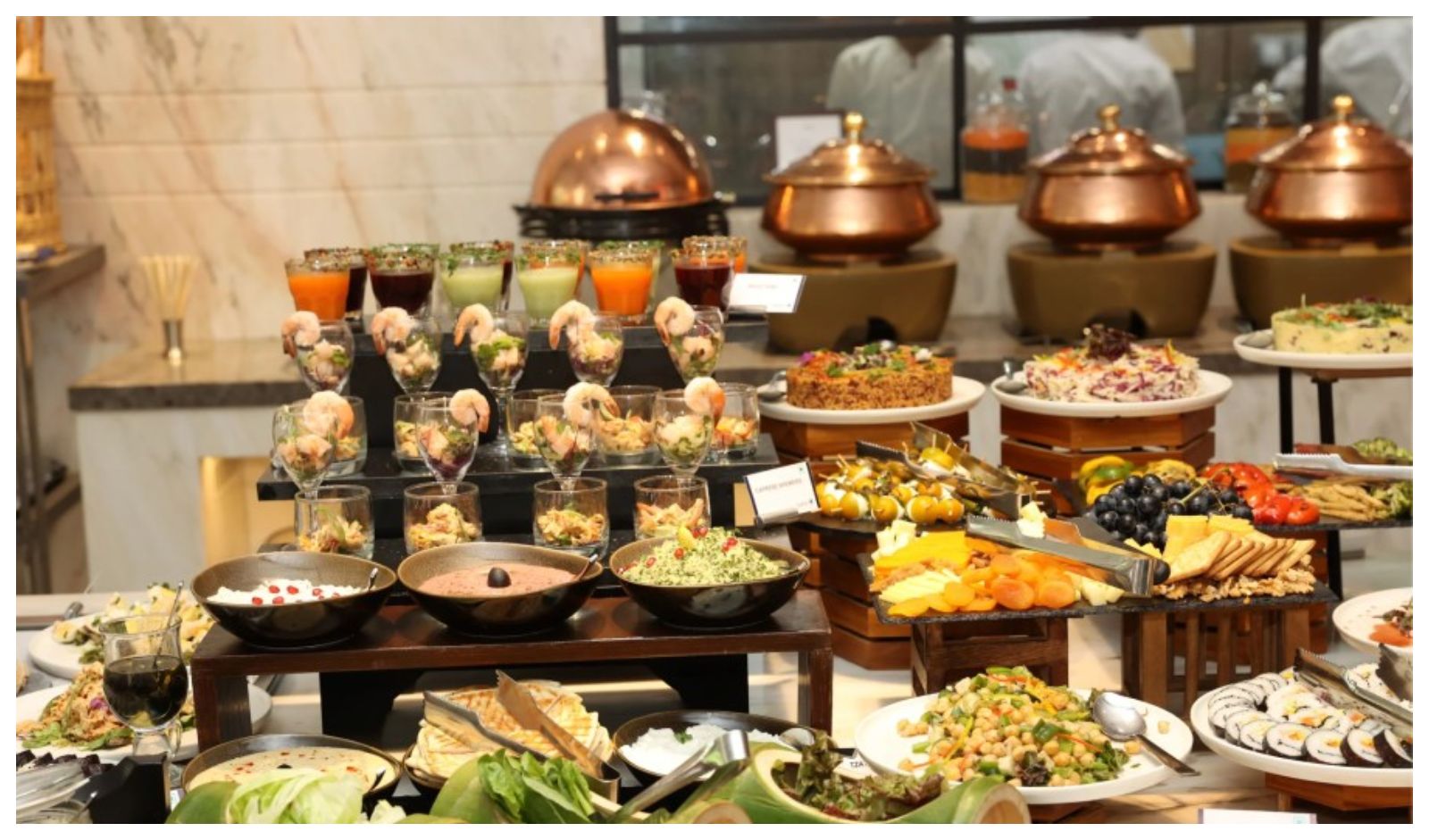
A high-profile food and nightlife event in Delhi has spotlighted the city’s evolving culinary landscape, where experiential dining and premium consumption are increasingly shaping urban culture. The gathering, held as part of a prominent awards platform, brought together a wide range of cuisines and live food stations, reflecting both diversity in taste and the growing influence of curated dining experiences in metropolitan India.
The event featured an extensive spread of global and Indian dishes, from Asian preparations to regional staples, alongside freshly prepared desserts and live counters. Such formats, which emphasise interaction and variety, are becoming central to how food is consumed in urban settings—moving beyond traditional restaurant dining towards immersive, event-led experiences. This shift is closely tied to the expansion of Delhi’s consumption economy. As disposable incomes rise and younger demographics seek social and cultural engagement, food events are emerging as key urban attractions. They not only cater to lifestyle aspirations but also generate economic activity across hospitality, catering, logistics, and event management sectors. However, the rise of such large-scale culinary events also raises important urban questions. High-footfall gatherings often concentrate in central or premium locations, adding pressure on already congested city infrastructure. Traffic management, waste generation, and energy consumption become critical considerations, particularly in a city that is already navigating environmental and mobility challenges.
From a sustainability perspective, the Delhi culinary event model presents both opportunities and concerns. On one hand, it supports local chefs, food entrepreneurs, and small-scale producers by offering visibility and market access. On the other, large-format food events can contribute to significant food waste and resource use if not managed responsibly. Experts suggest that integrating waste reduction strategies, local sourcing, and energy-efficient practices could make such events more aligned with climate-sensitive urban planning. The trend also reflects a broader transformation in how public and semi-public spaces are utilised. Hotels, banquet venues, and open grounds are increasingly being repurposed as experiential hubs, blurring the line between commercial activity and cultural engagement. For city planners, this raises questions about zoning, capacity planning, and the equitable distribution of such events across different parts of the city.
Importantly, while premium events cater to a specific segment of the population, there is growing demand for more inclusive and accessible formats that allow wider participation. Urban experts argue that democratising such experiences—through public food festivals or community-driven events—could help bridge this gap while supporting local economies. As Delhi continues to position itself as a cultural and lifestyle hub, the growth of the Delhi culinary event ecosystem signals a shift in urban priorities—from purely functional infrastructure to experience-led city building. The challenge ahead lies in ensuring that this evolution remains sustainable, inclusive, and responsive to the city’s environmental realities.