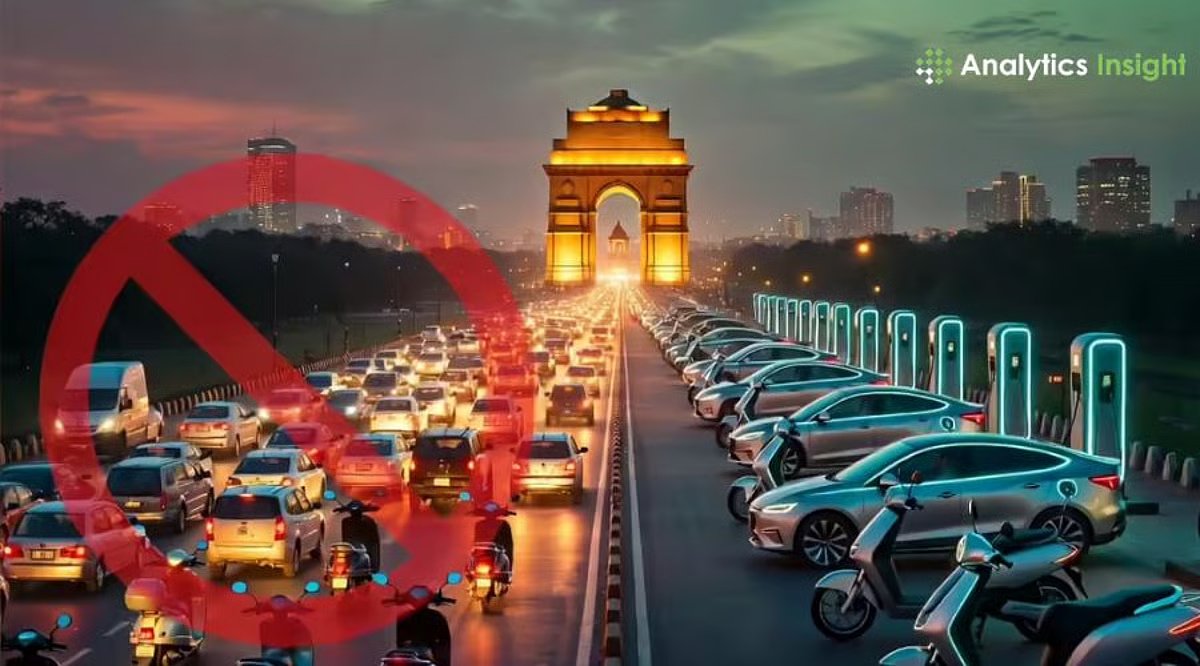
Delhi EV Policy Plans Electric Shift For Two Wheelers
Delhi is preparing to accelerate its transition towards cleaner mobility with a new regulatory framework that could significantly reshape the city’s vehicle market over the next decade. The proposed Delhi EV Policy for 2026–2030 outlines a phased shift toward electric vehicles, including restrictions on the registration of new petrol-powered two-wheelers and conventional auto-rickshaws. Under the draft plan, authorities intend to gradually eliminate new registrations of petrol two-wheelers starting in April 2028. Existing petrol motorcycles and scooters will continue to operate without restrictions, but future buyers would be required to choose electric alternatives once the rule takes effect.
The policy also proposes an earlier transition for the city’s three-wheeler passenger fleet. Beginning January 2027, only electric auto-rickshaws would be eligible for new registrations. The measure targets one of the most heavily used segments of Delhi’s transport system, where frequent daily operations and stop-start traffic contribute significantly to urban emissions. Urban mobility planners say the Delhi EV Policy reflects an effort to address the capital’s persistent air quality challenges. Two-wheelers account for a majority share of registered vehicles in the city, making them a major contributor to traffic-related pollution. By prioritising this category, policymakers aim to achieve a relatively large emission reduction within a short timeframe. The policy framework proposes a phased transition rather than an abrupt prohibition. Initial measures would focus on regulating fleet operators and mobility aggregators, restricting new petrol vehicles within commercial fleets from 2026. The next stage would shift three-wheelers to electric power in 2027, followed by restrictions on new petrol two-wheeler registrations in 2028.
Experts note that such a staged timeline allows multiple sectors to prepare for the transformation. Vehicle manufacturers gain time to scale electric production, infrastructure agencies can expand charging networks, and consumers receive a longer window to understand electric vehicle technology and costs. The Delhi EV Policy also includes financial incentives designed to support early adoption. Purchase subsidies linked to battery capacity, scrappage incentives for replacing older vehicles, and investments in charging infrastructure are expected to form key components of the programme. Officials say the incentives will gradually taper over time to encourage faster adoption during the initial years. Urban economists suggest the policy could have ripple effects beyond environmental benefits. Increased demand for electric mobility may stimulate new supply chains in battery manufacturing, charging infrastructure, and clean energy systems. These developments could generate employment opportunities while strengthening the capital’s emerging green mobility ecosystem.
However, experts emphasise that infrastructure readiness will be critical for the success of the transition. Expanding public charging networks, ensuring reliable electricity supply and improving battery recycling systems are essential to sustain large-scale EV adoption. The draft policy has been released for public consultation, allowing stakeholders including vehicle manufacturers, transport operators and citizen groups to provide feedback before final rules are notified. Once implemented, the Delhi EV Policy could become one of India’s most ambitious urban mobility transitions, shaping how the capital moves toward a lower-emission transport future.