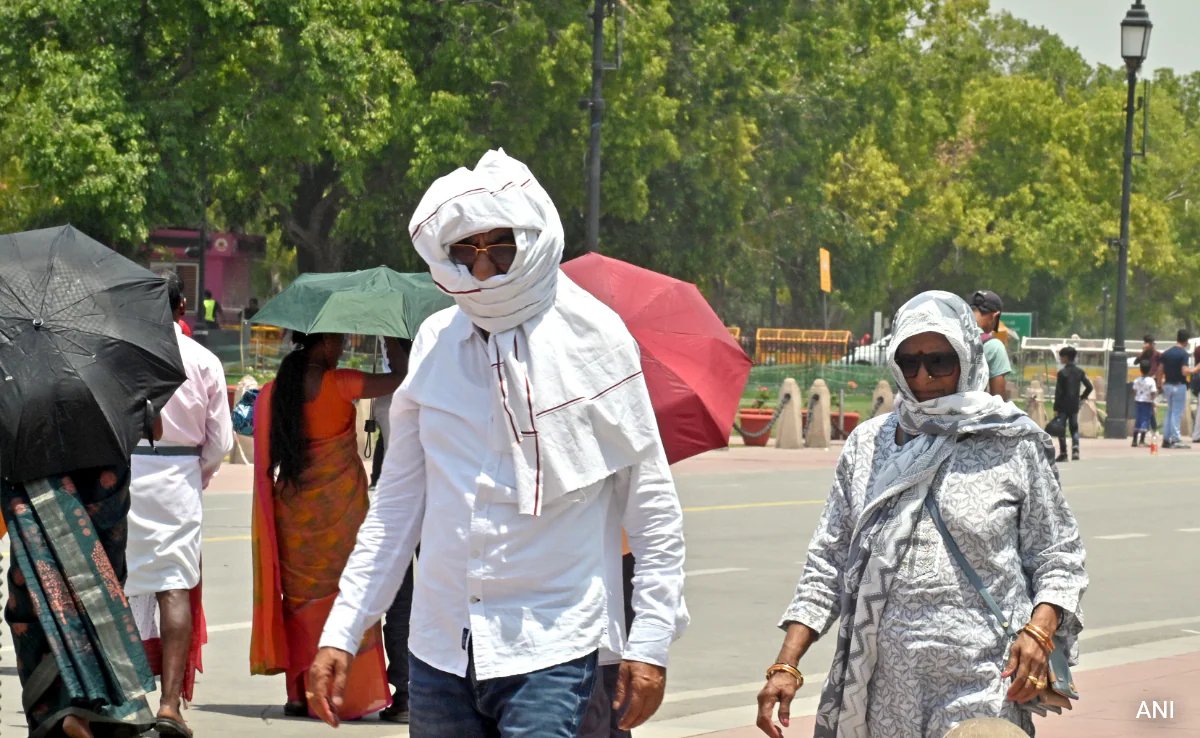
Delhi Heatwave Intensifies As Temperatures Near 41C
Delhi is entering an early phase of intense summer conditions as meteorological observations indicate temperatures approaching the 40°C mark across several monitoring stations, signalling the onset of a Delhi heatwave that could intensify in the coming days. Weather authorities have warned that maximum temperatures may hover between 40°C and 41°C across parts of the capital, raising concerns about urban heat stress and its impact on public health, infrastructure and city living. Data from official monitoring stations showed that parts of the city already experienced unusually high daytime temperatures midweek. The ridge observatory recorded readings above 40°C, while the city’s base station in central Delhi registered temperatures nearing that threshold. Other monitoring centres reported similarly elevated daytime readings, indicating a widespread rise across the metropolitan region.
Urban climatologists note that early-season heat spikes are increasingly becoming a recurring pattern in northern Indian cities. Dense construction, shrinking green cover and heat-retaining materials used in roads and buildings amplify temperature levels within urban environments. These factors contribute to what researchers describe as the “urban heat island effect”, where cities remain significantly warmer than surrounding rural areas. The emerging Delhi heatwave is also expected to bring warmer nights. Forecasts indicate minimum temperatures gradually rising toward the low twenties, reducing nighttime cooling that residents typically rely on for relief during summer. Experts say prolonged periods of high day and night temperatures can lead to sustained heat stress, particularly affecting outdoor workers, elderly residents and individuals with limited access to cooling infrastructure. Environmental planners emphasise that heatwaves are no longer just weather events but urban management challenges. Extreme temperatures increase electricity demand for cooling, place stress on water supplies and heighten the risk of health emergencies. City authorities often respond through heat action plans that include early warnings, shaded public spaces and cooling centres in densely populated neighbourhoods.
Air quality also showed signs of deterioration during the same period, with pollution levels entering the “poor” category according to national monitoring standards. Specialists point out that rising temperatures can intensify chemical reactions in the atmosphere, worsening pollution levels and compounding respiratory health risks for urban populations. Neighbouring regions in north-western India are also experiencing similar climatic patterns. Several districts in Rajasthan reported daytime temperatures exceeding 41°C, while unusually warm nights were observed in desert regions. Meteorologists say such conditions reflect broader seasonal shifts associated with pre-monsoon heating across northern India. Urban policy experts suggest that the increasing frequency of heat events underscores the need for climate-resilient city planning. Expanding tree cover, adopting reflective building materials, protecting water bodies and designing pedestrian-friendly shaded corridors are among the strategies recommended to reduce urban heat exposure.
As temperatures continue to rise, the unfolding Delhi heatwave is likely to test both civic preparedness and the resilience of the city’s infrastructure, highlighting the urgent importance of climate-sensitive urban development in rapidly growing metropolitan regions.