


The Delhi High Court Bar Association has asked the Acting Chief Justice to seek exemptions for judicial officers, advocates and court staff from the proposed restrictions on non-BS-VI vehicles entering Delhi, saying many members of the legal fraternity commute from neighbouring satellite cities because of the capital’s high housing costs.
In a formal representation, the association urged Acting Chief Justice Nitin Wasudeo Sambre to take up the matter with the Delhi government and request exemptions for those involved in the functioning of the courts. The proposed restrictions will apply from November 1 to January 31 under the Graded Response Action Plan (GRAP).
The Delhi government has barred the entry of vehicles registered outside Delhi that do not meet BS-VI emission standards. BS-VI vehicles, compressed natural gas vehicles and electric vehicles will be allowed to enter the city. Even BS-VI vehicles without a valid pollution under control certificate will be stopped, according to a traffic police release.
The restrictions are expected to affect commuters travelling from Noida, Gurugram and Ghaziabad in BS-IV vehicles, many of which were purchased before 2020. The Bar Association said judges, lawyers and court employees living in these cities depend on daily inter-city travel to reach the Delhi High Court.
Commuters said the rules could disrupt regular travel and create additional costs for people who cannot immediately replace older vehicles. Manoj Verma, who travels from Noida to Connaught Place for work, said he may have to depend on others or use public transport. Supriya Balraj, a chartered accountant who works in Noida and travels to Delhi at least four days a week, questioned the criteria for the restrictions and their application to commercial and public service vehicles.
Jagpreet Kaur, a Gurugram resident, said the restrictions would disproportionately affect households unable to purchase newer vehicles or electric cars. She also raised concerns about travel during medical emergencies involving family members living in Delhi.
The proposed rules are also drawing opposition from transport operators. BS-IV taxis and other vehicles registered in the National Capital Region that operate in Delhi could be prevented from working during the restriction period. Sanjay Samrat, president of the Delhi Taxi and Tourist Transporters Association, said the sector had already faced difficulties during and after the COVID-19 period. The association has written to Chief Minister Rekha Gupta seeking withdrawal of the restrictions.
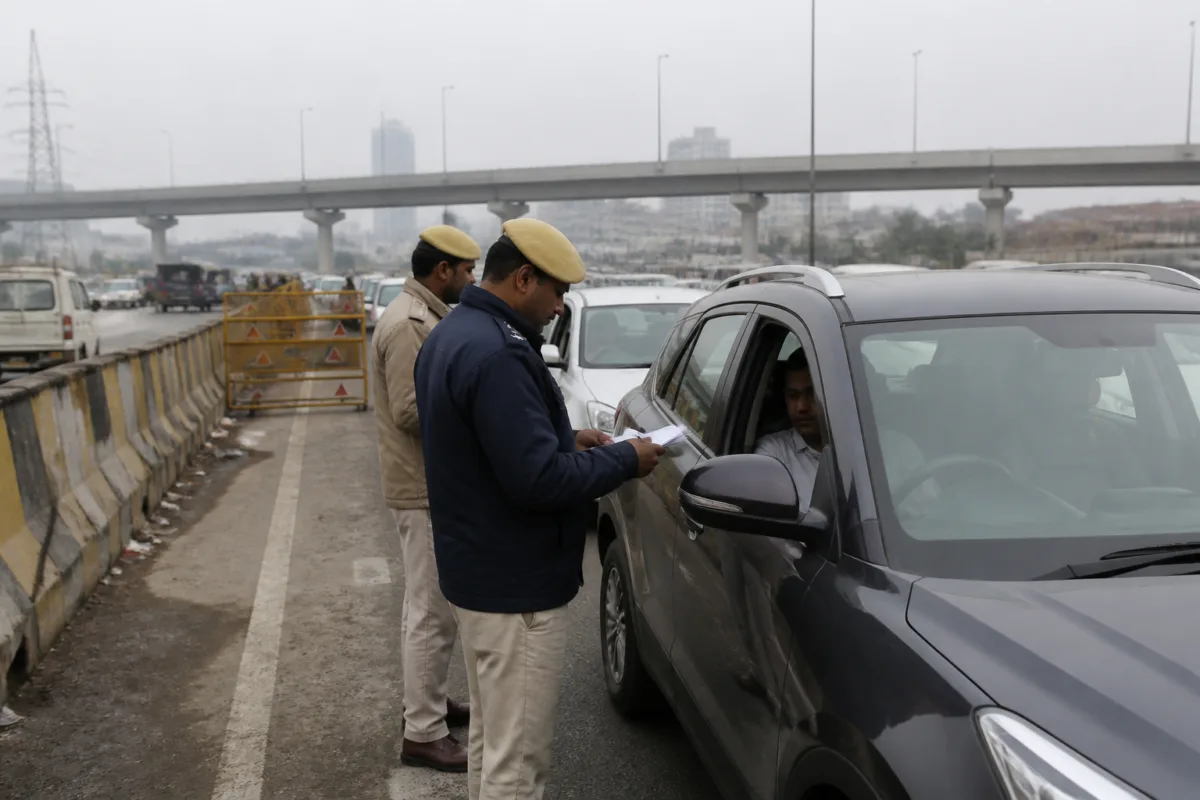
Traffic police have begun preparations for enforcement at Delhi’s borders. Deputy Commissioner of Police (Traffic) K. Ramesh said efforts were being made to stop non-compliant inter-city and inter-State buses before they enter the city, including government buses, because turning them back after entry could create traffic congestion. Around 126 display boards have been installed across Delhi to indicate the prohibitions.
Non-destined vehicles and vehicles carrying construction materials will also be restricted, while trucks not headed for Delhi will be diverted through the Eastern or Western Peripheral Expressways or other alternative routes. The proposed restrictions and the High Court Bar Association’s request will now depend on the Delhi government’s response and enforcement arrangements before November 1.

