


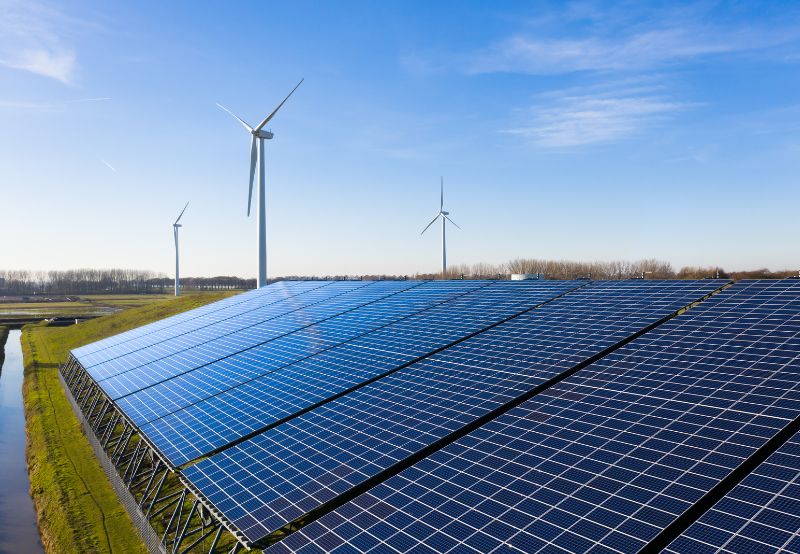
India’s renewable energy expansion is witnessing an uneven trajectory, with southern states such as Tamil Nadu, including Chennai’s energy ecosystem, experiencing slower growth compared to the rapid surge seen in western regions like Rajasthan and Gujarat.
The divergence highlights emerging structural and policy challenges in sustaining momentum across all geographies.While western states have accelerated capacity additions through large-scale solar and wind projects, southern regions—once early leaders in renewable adoption—are facing constraints related to land availability, grid integration, and evolving policy frameworks. For urban centres like Chennai, this slowdown carries implications for long-term energy security and climate commitments.The shift in momentum raises concerns about Chennai renewable energy growth, particularly as cities are increasingly expected to transition towards cleaner energy systems.Chennai’s industrial base, growing population, and rising energy demand make it critical to maintain a steady pipeline of renewable capacity to reduce dependence on conventional power sources.Energy experts point out that transmission infrastructure and grid balancing remain key bottlenecks in the south. Integrating intermittent renewable sources into existing grids requires advanced storage solutions and upgraded transmission networks—areas where investment has not kept pace with earlier capacity additions. This has slowed the commissioning of new projects despite continued demand.The uneven growth also reflects differences in policy incentives and land aggregation strategies.
States leading the surge have been able to streamline approvals and offer large contiguous land parcels, enabling faster project execution. In contrast, densely populated regions around Chennai face constraints in scaling utility-scale installations, prompting a need to explore alternative models such as rooftop solar and distributed energy systems.From an urban sustainability perspective, the slowdown in Chennai renewable energy growth could impact the city’s efforts to build a low-carbon future. As climate risks intensify—ranging from heatwaves to flooding—transitioning to cleaner energy sources is a critical component of resilience planning.Delays in this transition may increase long-term environmental and economic costs.There are also implications for industry and investment. Reliable and affordable green energy is becoming a key factor for businesses, particularly those aligned with global sustainability standards. Slower progress in renewable deployment could affect Chennai’s competitiveness in attracting such investments.However, experts see opportunities for course correction. Strengthening grid infrastructure, promoting decentralised energy solutions, and enhancing policy coordination could help revive momentum. Urban local bodies can also play a role by incentivising rooftop solar adoption and integrating renewable energy into building regulations.
As India advances towards its clean energy targets, ensuring balanced regional growth will be essential. For Chennai, addressing these structural challenges will be key to sustaining its energy transition and aligning with broader goals of sustainable urban development.
Also Read:Chennai Auto Industry Growth Driven By Export Push
