


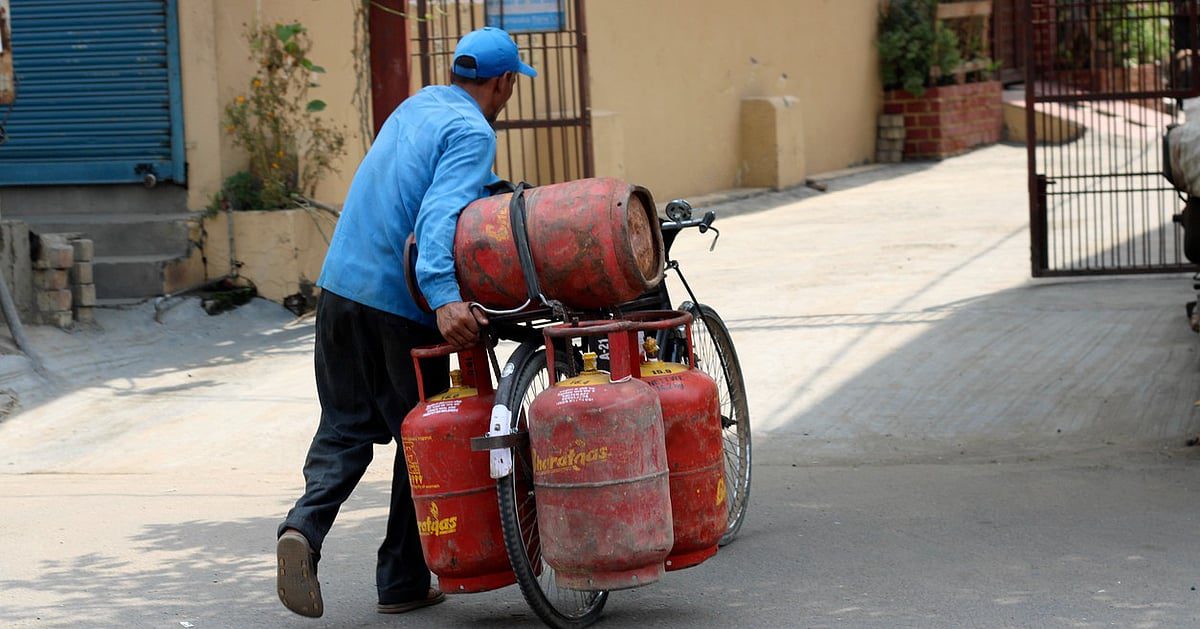
Delays in domestic LPG cylinder deliveries across Bengaluru are disrupting household routines, drawing attention to the reliability of urban energy supply systems in rapidly growing cities.
The issue, marked by extended waiting periods for refills, is affecting daily cooking needs and exposing vulnerabilities in last-mile distribution networks.Residents in multiple parts of the city have reported longer-than-usual delivery timelines, forcing many households to adjust consumption patterns or seek alternative arrangements. For a city like Bengaluru, where a significant proportion of households depend on LPG as a primary cooking fuel, such disruptions have immediate and widespread implications.The ongoing Bengaluru LPG delivery delays highlight the challenges of managing energy logistics in dense urban environments. Rapid population growth, increased demand, and operational bottlenecks can strain supply chains, particularly during peak usage periods.Ensuring timely distribution requires coordination between suppliers, distributors, and local infrastructure systems.Urban experts note that last-mile delivery inefficiencies are often overlooked in broader energy planning. While upstream supply may remain stable, distribution gaps can significantly affect end users. In Bengaluru, traffic congestion, workforce constraints, and logistical complexities can all contribute to delays in reaching households.The impact is not uniform across the city.
Lower-income households and those without access to backup energy sources are more vulnerable to disruptions, underscoring issues of energy equity. In such cases, delays can lead to increased reliance on less sustainable or less safe alternatives, raising both environmental and health concerns.The situation also intersects with the broader conversation on Bengaluru LPG delivery delays and urban resilience. Reliable access to clean cooking fuel is a critical component of sustainable city living. Interruptions not only affect quality of life but can also undermine progress towards cleaner energy adoption if households revert to traditional fuels.From a governance perspective, the delays point to the need for improved monitoring and accountability mechanisms in urban service delivery. Digital tracking systems, better demand forecasting, and enhanced distributor networks could help address bottlenecks and improve efficiency.There are also opportunities to diversify household energy options. Expanding access to piped natural gas (PNG) or promoting electric cooking solutions could reduce dependence on cylinder-based systems over time. However, such transitions require infrastructure investment and policy support.
As Bengaluru continues to expand, ensuring reliable and equitable access to essential services like cooking fuel will remain a key challenge. Addressing the causes of delivery delays and strengthening supply chains will be crucial for building a more resilient and inclusive urban energy system.
Also Read:Chennai Renewable Energy Growth Faces Regional Slowdow
