


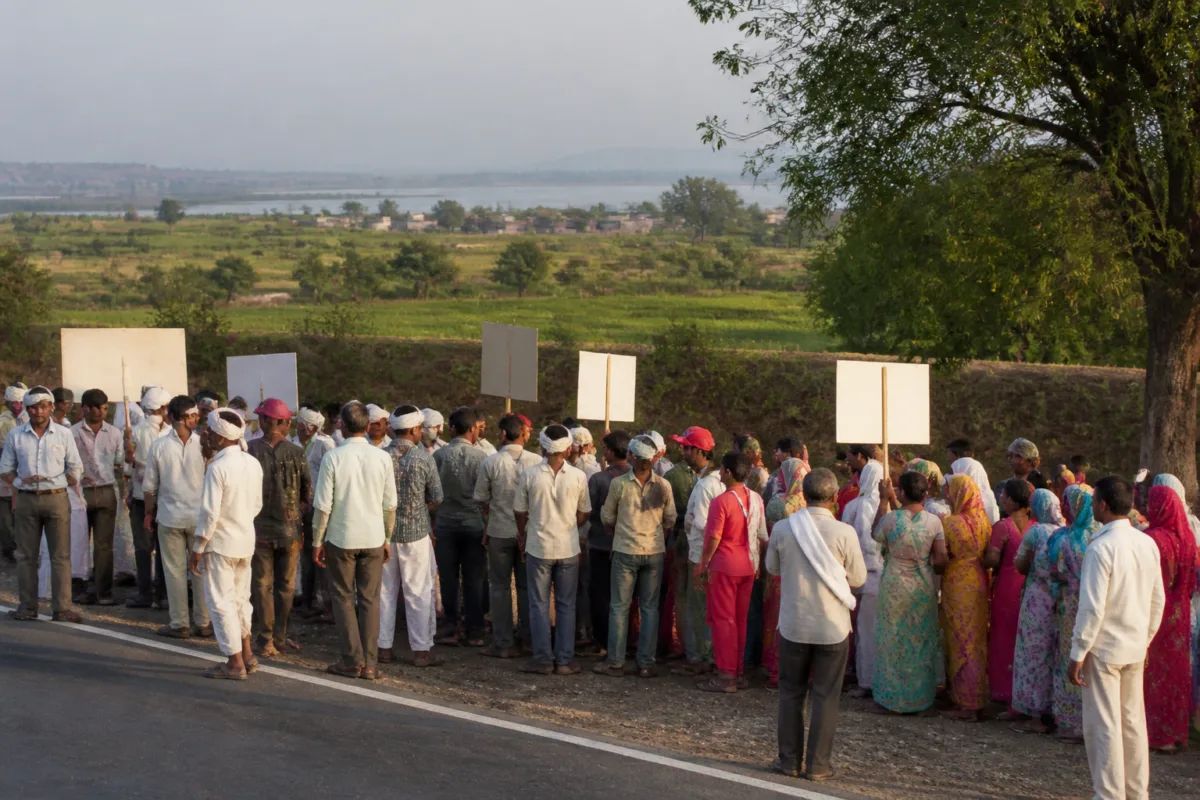
Residents of villages in Bhopal’s Phanda area plan to gather on Saturday to oppose a proposed cement factory, with organisers warning of a road blockade on the state highway, Dainik Bhaskar reported.
The residents say the factory could increase air pollution, contaminate groundwater and place additional pressure on water resources. The proposed site is described in the report as being in the catchment area of Bhojtal, raising concerns among local residents about possible effects on water quality.
Anil Hada, described as the representative of a district panchayat member, said the project could create difficulties for people living in the surrounding area. He alleged that chemicals from the factory could pollute water and that dust emissions could worsen pollution and contribute to serious illnesses. These are concerns raised by local representatives; the report does not cite an environmental assessment or independent monitoring data confirming that such impacts would occur.
Residents also fear that the factory could draw down groundwater, reduce the water table and affect farming. They have demanded that permission for the factory be denied. The report does not specify the project’s developer, its proposed production capacity, the status of statutory approvals or whether an environmental clearance process has begun.
A local committee has issued a poster calling on residents to participate in the proposed road blockade. Committee members said the protest would be peaceful and that opposition extended beyond a single village. A torchlight procession was held on Thursday night as part of the campaign against the project.
According to the committee, villages that could be affected include Phandakalan, Phandakhurd, Barkhedi, Majidgarh, Gaur, Dhaturia, Kolua, Imalia, Itawara, Khajuri, Bagrod, Barkheda, Bamhori, Khamkheda, Barai, Pipalia, Patharia, Mandori, Gunga, Salaiya, Neelbad, Ratibad, Khajuri Sadak, Raslakhedi, Bagli, Semri, Borda, Khajuri Kalan, Titoda and Deepdi, among others.
Residents said the factory could damage agricultural land, lower groundwater levels and increase respiratory illnesses. No response from the company or government authorities is included in the report. The project’s eventual impact will depend on its location, design, pollution-control systems, water requirements and the findings and conditions of any applicable approval process.

